
McDonnell Douglas DC-10
Three‑engine widebody airliner designed by McDonnell Douglas. Used for medium‑to‑long‑range passenger, freighter and tanker roles; notable for its layout, service record, and later conversions to freighters and tankers.
Overview
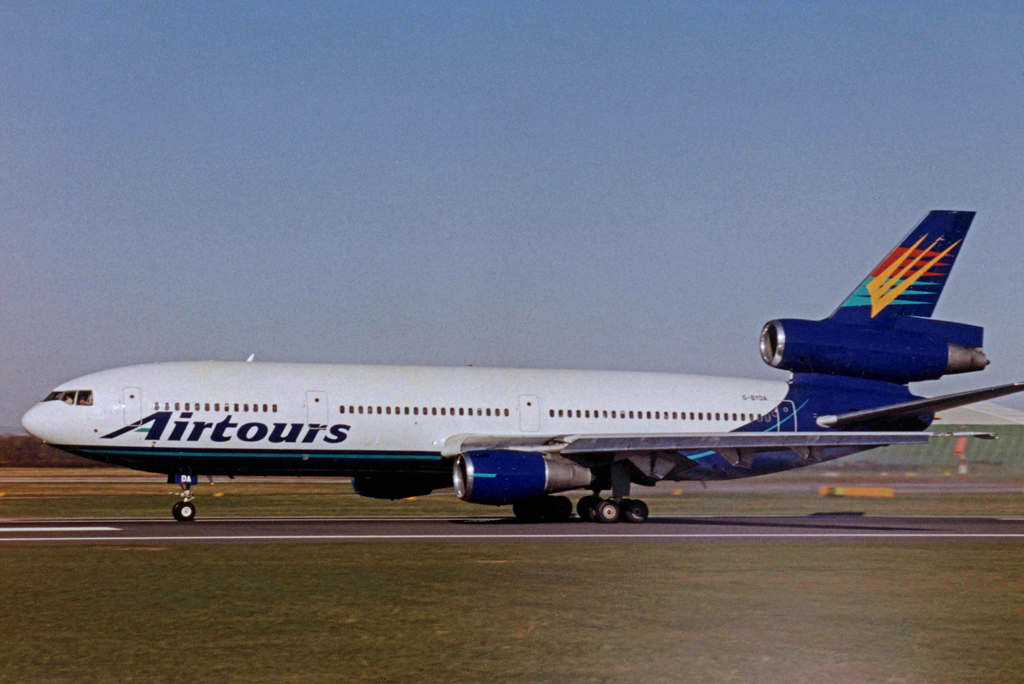
The McDonnell Douglas DC-10 is an American three‑engine widebody airliner introduced in the early 1970s. Its configuration — two turbofan engines mounted on underwing pylons and a third at the base of the vertical tail — made it immediately recognizable among jetliners of its era. The type was aimed at medium‑ to long‑range routes and was offered alongside earlier McDonnell Douglas designs such as the DC-8. The DC-10 served major airlines around the world and later provided the airframe for the U.S. Air Force's tanker variant, the KC-10 Extender.
Image gallery
10 Images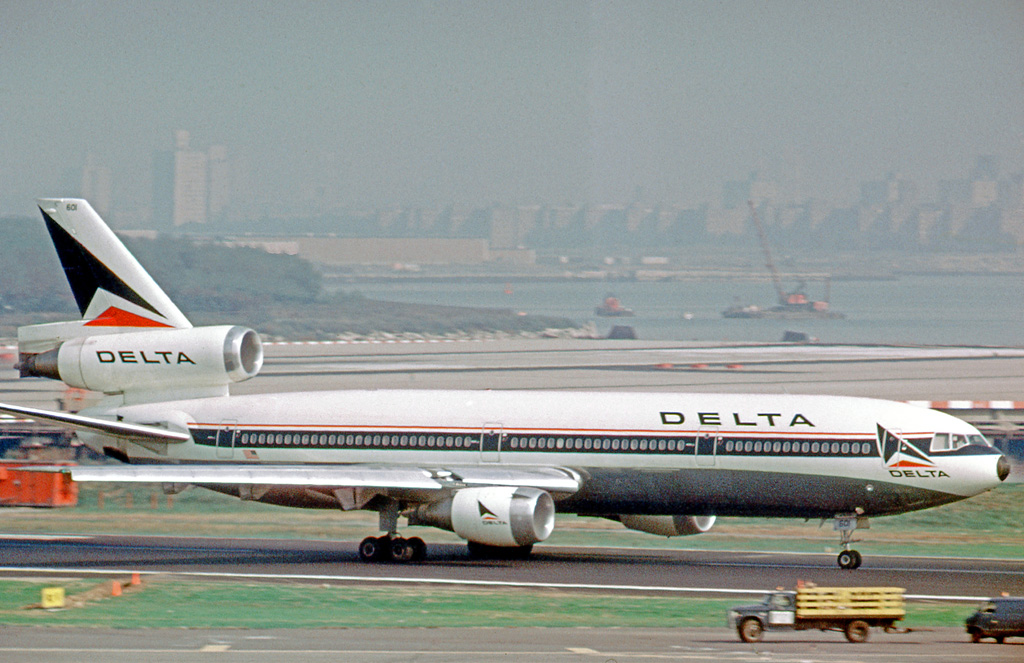






Design and variants
Key features of the DC-10 include a wide fuselage cross‑section for two‑aisle seating, a distinctive tail‑mounted center engine with a straight intake duct, and a trijet layout that balanced performance and range without the complexity of four‑engine designs. Different production variants addressed range and payload requirements, with options for higher thrust engines, auxiliary fuel tanks and strengthened landing gear to serve intercontinental routes.
- DC-10-10: short to medium range airline version.
- DC-10-30/-40: extended‑range intercontinental versions with more powerful engines and increased fuel capacity.
- Cargo and combi conversions: many airframes were converted to freighters or mixed passenger/cargo layouts.
Service history and safety
The DC-10 entered airline service in the 1970s and competed with contemporary widebodies such as the Airbus A300, the Boeing 747, and the Lockheed L-1011 Tristar. Production concluded in December 1988 after several hundred airliners were delivered to civilian operators and dozens were adapted for military tanker duty. Over its service life the DC-10 was involved in a number of high‑profile accidents that prompted design reviews and regulatory action. Notable incidents led to redesigns of cargo doors and maintenance practices and influenced industry safety standards.
Notable incidents and regulatory response
A small number of catastrophic accidents in the 1970s and 1980s—among the most widely reported of any type—brought attention to particular systems and maintenance procedures. Investigations of those events produced recommendations and mandatory modifications that improved the type's safety record over time. Airworthiness directives and structural or hardware changes were applied across the fleet, and operators adapted procedures to reduce the likelihood of recurrence.
Military, cargo roles and legacy
Besides passenger service, the DC-10 airframe proved adaptable. The U.S. Air Force acquired a tanker version, the KC-10, equipped for air‑to‑air refueling and strategic transport. Over subsequent decades many DC-10s were converted into freighters and remained in airline or cargo service even after production ceased, particularly with major freight carriers and charter operators. The design's basic layout also informed the later McDonnell Douglas MD-11, a stretched and updated derivative that entered service around 1990.
Distinguishing features and continuing relevance
The DC-10 is remembered for its distinctive trijet silhouette and its role in expanding medium‑ and long‑haul point‑to‑point service during the jet era. Differences from similar types include the straight‑in tail‑engine intake (in contrast with the S‑duct arrangement used by some competitors) and a family of variants tailored for passenger, freight and tanker missions. While few DC-10 passenger versions remain in regular airline service, the type's conversions and military derivatives preserved its operational presence well into the 21st century.
For further technical details, operational histories and archival material, consult manufacturer and operator documentation as well as regulatory reports and accident investigation summaries at dedicated aviation resources: three‑engine widebody overview, DC-8 lineage, Airbus A300 context, Boeing 747 comparison, KC-10 Extender.
Related articles
Author
AlegsaOnline.com McDonnell Douglas DC-10 Leandro Alegsa
URL: https://en.alegsaonline.com/art/63229
Sources
- commons.wikimedia.org : McDonnell Douglas DC-10
- boeing.com : "McDonnell Douglas DC-10/KC-10 Transport"