
Marcel Reich-Ranicki: influential German-language literary critic
Polish-born German literary critic Marcel Reich-Ranicki (1920–2013) was a dominant voice in postwar German letters, known for trenchant reviews, a popular television program and a widely read memoir.
Marcel Reich-Ranicki (2 June 1920 – 18 September 2013) was a Polish-born, later German public intellectual and literary critic who became one of the most prominent arbiters of German-language literature in the postwar era. Often described in Germany by the sobriquet "Literaturpapst" ("Pope of Literature"), he combined close readings of texts with forthright public commentary. His judgments shaped public debate about books, authors and the direction of German letters.
Image gallery
2 Images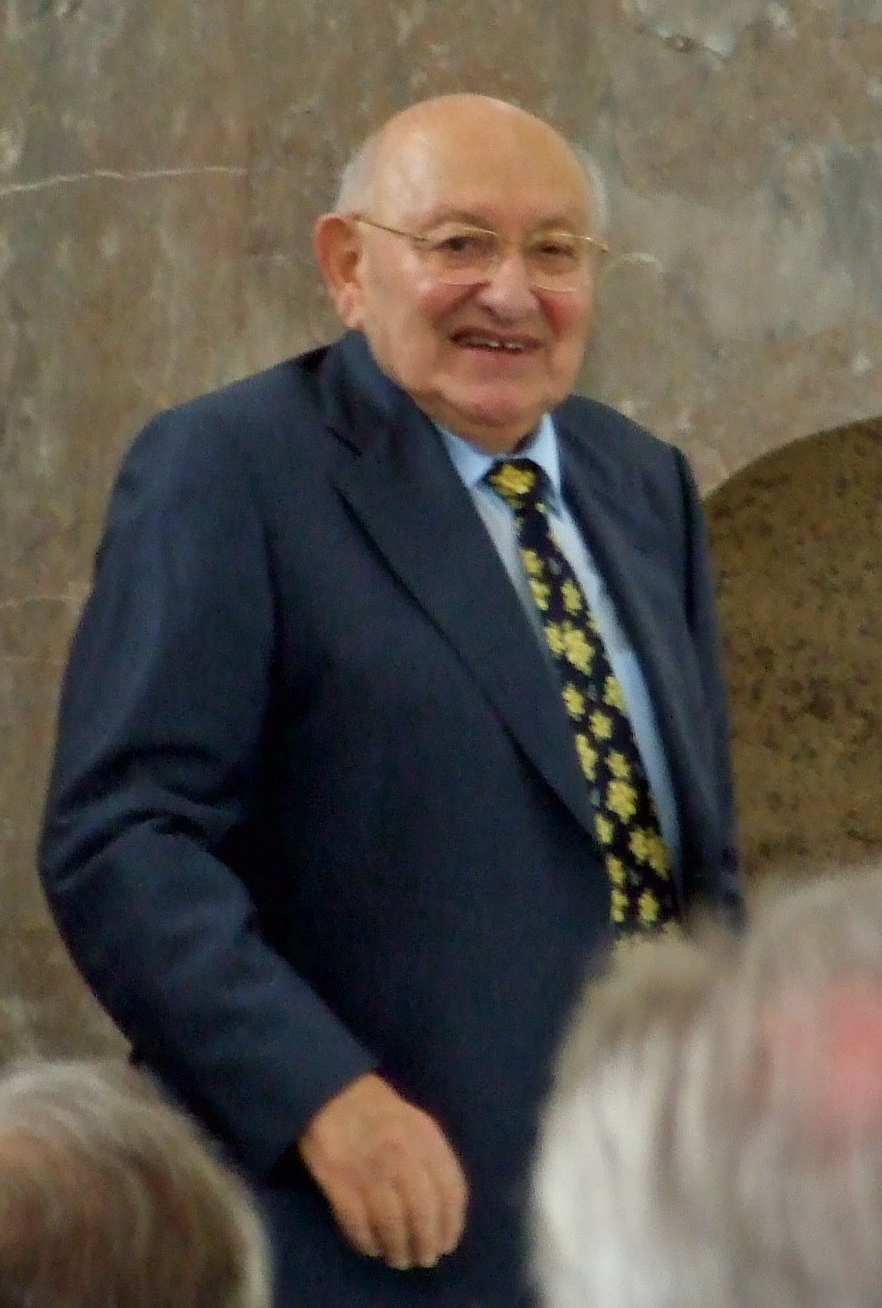

Early life and background
Reich-Ranicki was born in Włocławek and spent part of his childhood in the cultural milieu of interwar Europe. He later lived and worked in Berlin as a young man and experienced the upheavals of the 1930s and 1940s that affected Jewish intellectual life across the continent. Biographical accounts emphasize how these formative years informed his later commitments to literature, memory and criticism. For basic biographical context see Włocławek and Poland, and his later residence in Berlin and Germany.
Career, methods and public presence
Reich-Ranicki made his reputation as a reviewer and essayist with a style that combined rigorous textual attention with clear, often biting expression. He was associated with important postwar literary circles and participated in gatherings of writers and critics such as Gruppe 47. Beyond print, he reached a wide audience through broadcast media, most notably the televised discussion format that brought literary criticism into living rooms and provoked broad public interest. His published books include collected reviews, essays and an influential memoir that recounts his life and encounters with writers.
Influence, controversies and legacy
As a public critic he provoked admiration and controversy in roughly equal measure: admired for his standards, feared for his frank dismissals. He helped set reading agendas across Germany and was often credited with introducing wider publics to contemporary fiction and essay writing. His legacy includes an expanded role for literary criticism in public life and a model of the critic as both interpreter and cultural interlocutor.
Selected facts and writings
- Born 2 June 1920 in Włocławek, Poland; long associated with Germany.
- Member of postwar literary circles including Gruppe 47 and a central figure in German literary discussion.
- Reached a broad public through television and widely read collections of criticism and a personal memoir.
- Married to Teofila Reich-Ranicki from 1942 until her death in 2011; the couple remained a notable partnership in literary life.
- Died 18 September 2013 in Frankfurt; his later years included treatment for prostate cancer.
- Often called the "Literaturpapst" in recognition of his influential role in shaping debates about literature.
For further reading on aspects of his life and work consult specialized biographies, collections of his criticism, and contemporary accounts of postwar German literary culture. General reference entries and archival materials provide starting points for researchers and readers interested in his distinctive approach to literature and public discourse. For a concise overview see background resources on his Polish origins Polish background and subsequent place in German literary life.
Questions and answers
Q: Who was Marcel Reich-Ranicki?
A: Marcel Reich-Ranicki was a Polish-German literary critic and member of the literary group Gruppe 47.
Q: What was Marcel Reich-Ranicki known for?
A: Marcel Reich-Ranicki was known for being one of the most influential contemporary literary critics in the field of German literature and has often been called Literaturpapst ("Pope of Literature") in Germany.
Q: When was Marcel Reich-Ranicki born?
A: Marcel Reich-Ranicki was born on June 2, 1920.
Q: Where was Marcel Reich-Ranicki born and raised?
A: Marcel Reich-Ranicki was born in Włocławek, Poland, but was raised in Berlin, Germany.
Q: Was Marcel Reich-Ranicki married and did he have children?
A: Yes, Marcel Reich-Ranicki was married to Teofila Reich-Ranicki from 1942 until her death in 2011. They had no children.
Q: How did Marcel Reich-Ranicki die?
A: Marcel Reich-Ranicki died on September 18, 2013, in Frankfurt. He had previously been diagnosed with prostate cancer.
Q: What literary group was Marcel Reich-Ranicki a member of?
A: Marcel Reich-Ranicki was a member of the literary group Gruppe 47.
Related articles
Author
AlegsaOnline.com Marcel Reich-Ranicki: influential German-language literary critic Leandro Alegsa
URL: https://en.alegsaonline.com/art/61594
Sources
- spiegel.de : "Marcel Reich-Ranicki ist tot - SPIEGEL ONLINE"
- whoswho.de : WHO'S WHO profile: Marcel Reich-Ranicki
- theguardian.com : "Marcel Reich-Ranicki, German literary critic, dies aged 93"