
Marcelo H. del Pilar — Filipino Propagandist and Reformist Leader
Marcelo H. del Pilar (1850–1896) was a Filipino writer, lawyer and leading member of the Propaganda Movement. Editor of La Solidaridad and founder of Diariong Tagalog, he campaigned for reforms from exile in Spain.
Marcelo Hilario del Pilar y Gatmaitán was a central figure in the late 19th-century Filipino reform movement. Born on August 30, 1850, he emerged as a lawyer, journalist and pamphleteer who used satire and political essays to challenge colonial abuses and to press for equal rights under Spanish rule. His activism linked local campaigns in the Philippines with reformist circles in Europe, and his writings helped shape public debate during the years that led up to the Philippine Revolution.
Image gallery
10 Images

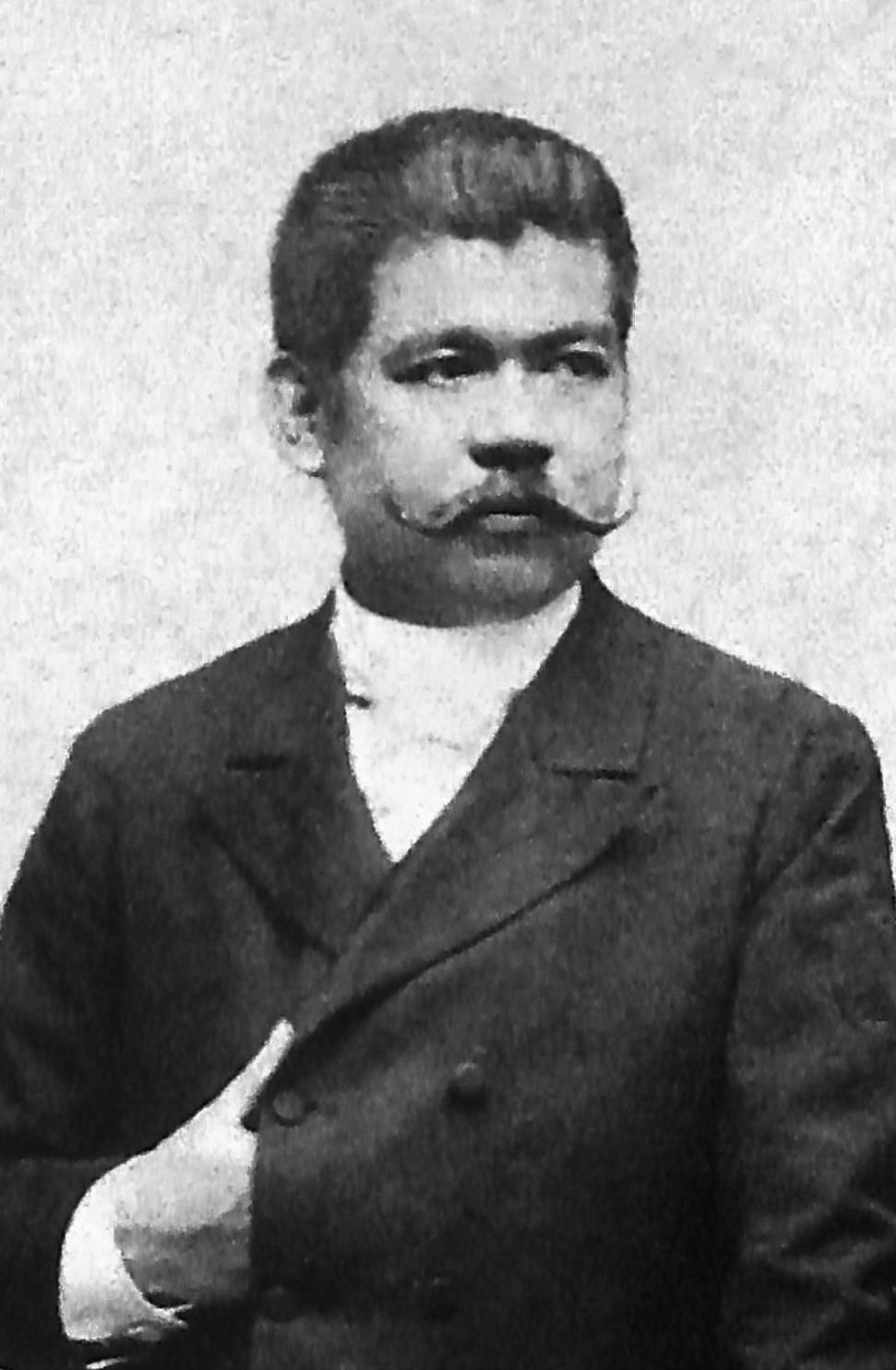


Early life and education
Del Pilar was born in Cupang, now part of San Nicolás in Bulacan, into a middle-class family. He studied at local schools and later pursued higher education, completing his law studies at the University of Santo Tomas in Manila around 1880. His legal training contributed to his confidence as a polemicist and helped him frame reform demands in the language of rights and institutions rather than only moral complaint.
Writings, newspapers and activism
In the Philippines he founded the nationalist periodical Diariong Tagalog in 1882 and authored a number of satirical and critical pamphlets aimed at the religious orders and colonial officials. Writing under several pseudonyms, most famously Plaridel, he produced works such as Dasalan at Tocsohan and Caiigat Cayo, which used satire to expose clerical abuses and to encourage secular reforms. His style combined humor, moral indignation and practical proposals; this made his pieces influential among reform-minded Filipinos and appealed to readers who preferred critique packaged as accessible satire.
Exile, La Solidaridad and the Propaganda Movement
Facing increasing pressure from authorities and the friars, del Pilar left the Philippines for Spain in 1888. In Madrid he became one of the principal editors of La Solidaridad, the leading organ of the Propaganda Movement that sought political and social reforms through petitions, journalism and public opinion rather than armed revolt. As editor he worked alongside other expatriate reformers, coordinating articles in Spanish and advocating for measures such as representation for the Philippines in the Spanish Cortes, secularization of parishes, and civil liberties. La Solidaridad struggled financially and ceased regular publication in 1895, but it had already become a vital forum for Filipino intellectuals in Europe.
Later years, death and legacy
Del Pilar planned to return to the Philippines to play a more direct role in events, but ill health intervened. He died in Barcelona on July 4, 1896, from complications related to tuberculosis, far from his family and amid financial hardship. Despite dying in exile, his contributions lived on: his journalism, organizational work and satirical writings influenced both moderate reformers and younger activists who later joined the revolution. His name is remembered in the Philippines as one of the principal figures of the Propaganda Movement, alongside contemporaries who shared his aim of legal and institutional change.
Notable aspects and influence
- Major publications and pamphlets: Diariong Tagalog; contributions to La Solidaridad; satirical tracts such as Dasalan at Tocsohan and Caiigat Cayo.
- Pseudonym: common use of pen names, especially Plaridel, which became a symbol of his public persona.
- Approach: favored press campaigns, petitions and public debate over immediate armed conflict, though his critiques helped create the conditions that made later revolution possible.
- Historical placement: occupies a key place within the broader reformist and nationalist currents of the late Spanish colonial period.
For readers seeking deeper study, contemporary collections of his essays and modern historical treatments place del Pilar in the context of the 19th-century Philippine intelligentsia and show how journalism, legal training and exile combined to make him an enduring voice for change. Further references and primary documents are available through archival collections and dedicated historical studies in both the Philippines and Spain; some online and printed resources summarize his life and corpus for general readers and researchers alike. See also primary documents and bibliographies available through libraries and specialist centers on Philippine history (Madrid-based files and other international repositories often hold original La Solidaridad material).
Questions and answers
Q: Who was Marcelo Hilario del Pilar?
A: Marcelo Hilario del Pilar was a leading propagandist of the Philippine Revolution in 1896.
Q: When and where was Marcelo Hilario del Pilar born?
A: Marcelo Hilario del Pilar was born on August 30, 1850, in Cupang (now Barangay San Nicolas), Bulacan.
Q: Who were Marcelo Hilario del Pilar's parents?
A: Marcelo Hilario del Pilar's parents were Julián del Pilar and Blasa Gatmaytan.
Q: Where did Marcelo Hilario del Pilar study?
A: Marcelo Hilario del Pilar studied at the Colegio de San José and later at the University of Santo Tomas, where he finished his law course in 1880.
Q: What was the name of the nationalist newspaper founded by Marcelo Hilario del Pilar?
A: The nationalist newspaper founded by Marcelo Hilario del Pilar was Diariong Tagalog (Tagalog Newspaper).
Q: Why did Marcelo Hilario del Pilar go to Spain in 1888?
A: Marcelo Hilario del Pilar went to Spain in 1888 to escape persecution by the Spanish authorities.
Q: How and when did Marcelo Hilario del Pilar die?
A: Marcelo Hilario del Pilar died of tuberculosis in Barcelona on July 4, 1896, a pauper, away from his wife and 2 children.
Tags
Related articles
Author
AlegsaOnline.com Marcelo H. del Pilar — Filipino Propagandist and Reformist Leader Leandro Alegsa
URL: https://en.alegsaonline.com/art/61603