
Prostate cancer
Prostate cancer is a malignancy of the prostate gland in men. Covers causes, symptoms, diagnosis, staging, treatments, genetic risks (including BRCA2), and screening considerations.
Overview: Prostate cancer is a disease in which a malignant growth arises in the prostate gland, a small organ that is part of the male reproductive system. It primarily affects older men and ranges from very slow-growing tumours to aggressive forms that spread beyond the prostate.
Image gallery
8 Images


Signs, screening and diagnosis
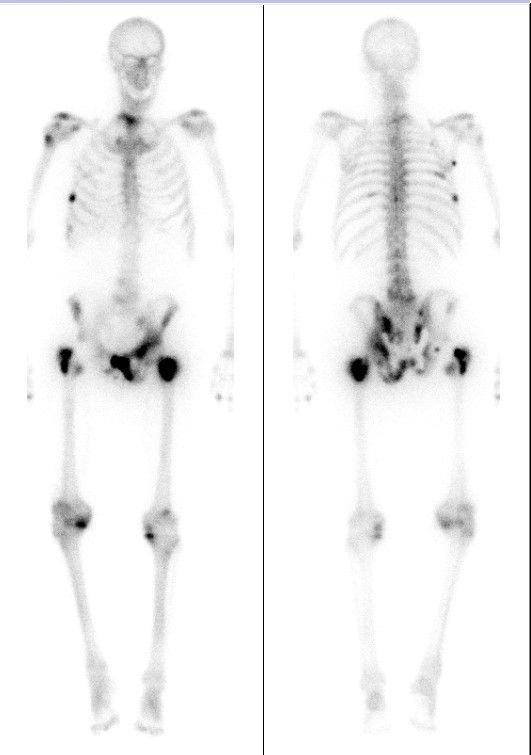
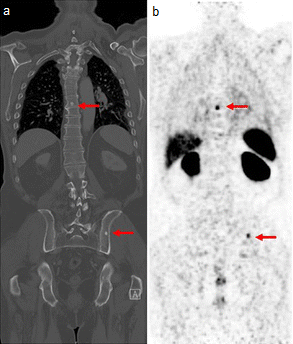
Early disease often causes no symptoms. When present, signs can include urinary difficulty, blood in the urine or semen, and pelvic pain. Detection methods include prostate-specific antigen (PSA) blood testing, digital rectal examination (DRE) and biopsy. Imaging with ultrasound, MRI or bone scans helps assess extent of disease. Diagnosis and risk classification guide management decisions.
Grading and staging
Pathologists use a grading system to describe tumour appearance; the Gleason score (or Grade Group) indicates how much cancer tissue differs from normal prostate tissue and helps predict behaviour. Clinical staging describes local extent and spread to lymph nodes or distant sites such as bone. Combining grade, stage and PSA level informs prognosis and treatment options.
Treatment approaches
Treatment is individualized and may include active surveillance for low-risk cases, surgical removal (prostatectomy), external beam radiotherapy or brachytherapy, androgen-deprivation (hormonal) therapy, and systemic treatments such as chemotherapy or newer targeted and immunotherapies. Multidisciplinary assessment balances potential benefits, side effects and quality of life.
Risk factors and genetics
Age, family history and certain ethnic backgrounds are established risk factors. Inherited genetic changes can increase risk; for example, alterations in the BRCA2 gene are associated with higher incidence and a greater likelihood of aggressive disease. Research continues into genetic testing and personalized treatment for hereditary cases.
Prostate cancer is one of the most commonly diagnosed cancers in men. Screening strategies and thresholds vary because early detection can prevent advanced disease but also may lead to overtreatment. Long-term follow-up after treatment monitors recurrence and manages late effects. For more detailed guidance on symptoms, testing and management, consult clinical resources and specialist advice.
Related articles
Author
AlegsaOnline.com Prostate cancer Leandro Alegsa
URL: https://en.alegsaonline.com/art/79489
Sources
- mayoclinic.com : Mayo Clinic. Prostate cancer: treatment and drugs
- bbc.co.uk : bbc.co.uk/news/health-22065289