
Marcelo Rezende
Brazilian journalist and television presenter noted for sports reporting, long service at Rede Globo, and presenting high‑audience police programs such as Linha Direta and Cidade Alerta.
Overview
Marcelo Luiz Rezende Fernandes (1951–2017) was a Brazilian journalist and television presenter who worked in print and broadcast journalism for several decades. Born and raised in Rio de Janeiro, he became widely known for his work as a reporter and later as the host of popular crime and public‑affairs programs that reached large audiences nationwide.
Image gallery
1 Image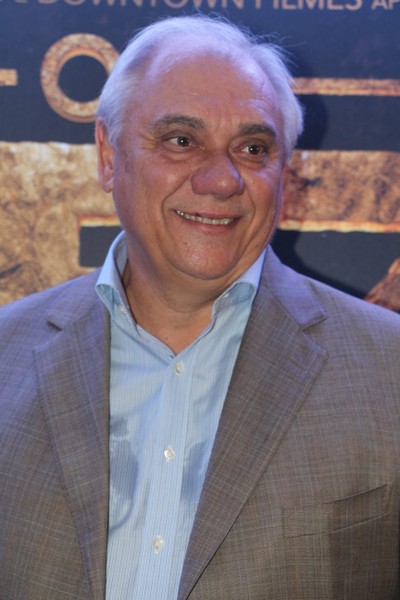
Early life and start in journalism
Rezende began his professional life in the 1970s as a sports journalist, covering major events and matches in his native city and elsewhere in Brazil. His early experience in the field—reporting from the sidelines and developing sources—helped shape a direct, fast‑paced reporting style that he retained throughout his career. Over time he moved from sports to general reporting and investigative assignments.
Major career roles
He spent a substantial portion of his career at Rede Globo, one of Brazil's largest television networks, where he worked for more than two decades. During this period he served as a reporter on high‑profile stories and later became the presenter of television programs that focused on crime, public safety and unresolved cases. After leaving Rede Globo, Rezende continued to present programs on other networks, becoming one of the most recognizable faces in Brazilian broadcast journalism.
Notable programs and style
- Linha Direta: A crime and investigation program that presented cases to viewers, often seeking new information about unsolved crimes.
- Cidade Alerta: A live, daytime program with on‑the‑ground reporting about police operations, accidents and social issues; Rezende hosted the show during a period when it drew very large audiences.
Rezende's presentation was characterized by a direct, emphatic delivery and a focus on human details. His programs combined journalistic reporting with elements designed to engage a broad television audience, an approach that made him influential but also drew criticism from some quarters for sensationalism in crime coverage.
Illness, death and legacy
In 2017 Rezende was diagnosed with pancreatic cancer. He died on September 16, 2017, in Rio de Janeiro, from multiple organ failure related to his illness, which has been discussed in reports about the disease and public awareness of cancer care in Brazil. Details of his life and career continue to be cited in discussions about Brazilian television journalism, the ethics of crime reporting and the role of high‑visibility presenters in shaping public perceptions of safety and justice.
Further notes
For an overview of Rezende's appearances and professional timeline, reference summaries of his work at major Brazilian outlets and program archives. Accounts of his illness and passing were widely reported, noting pancreatic cancer as the underlying disease linked to his death. His career remains a point of reference when studying the evolution of televised news and crime programming in Brazil.
Related articles
Author
AlegsaOnline.com Marcelo Rezende Leandro Alegsa
URL: https://en.alegsaonline.com/art/61604
Sources
- televisao.uol.com.br : "Marcelo Rezende é o novo contratado da Band"
- televisao.uol.com.br : "Canal 1: RedeTV! rescinde contrato com Marcelo Rezende"