
Manor Farm (fictional setting in George Orwell's Animal Farm)
Manor Farm is the principal fictional farm in George Orwell's novella Animal Farm, renamed by the animals after a revolt and later restored to its original name to underscore the book's themes.
Overview
Manor Farm is the central setting of George Orwell's novella Animal Farm. In the story the property is a working English farm run by humans until its animals stage a revolt and assert control. The farm's changing name and governance frame the book's plot and moral lessons.
Image gallery
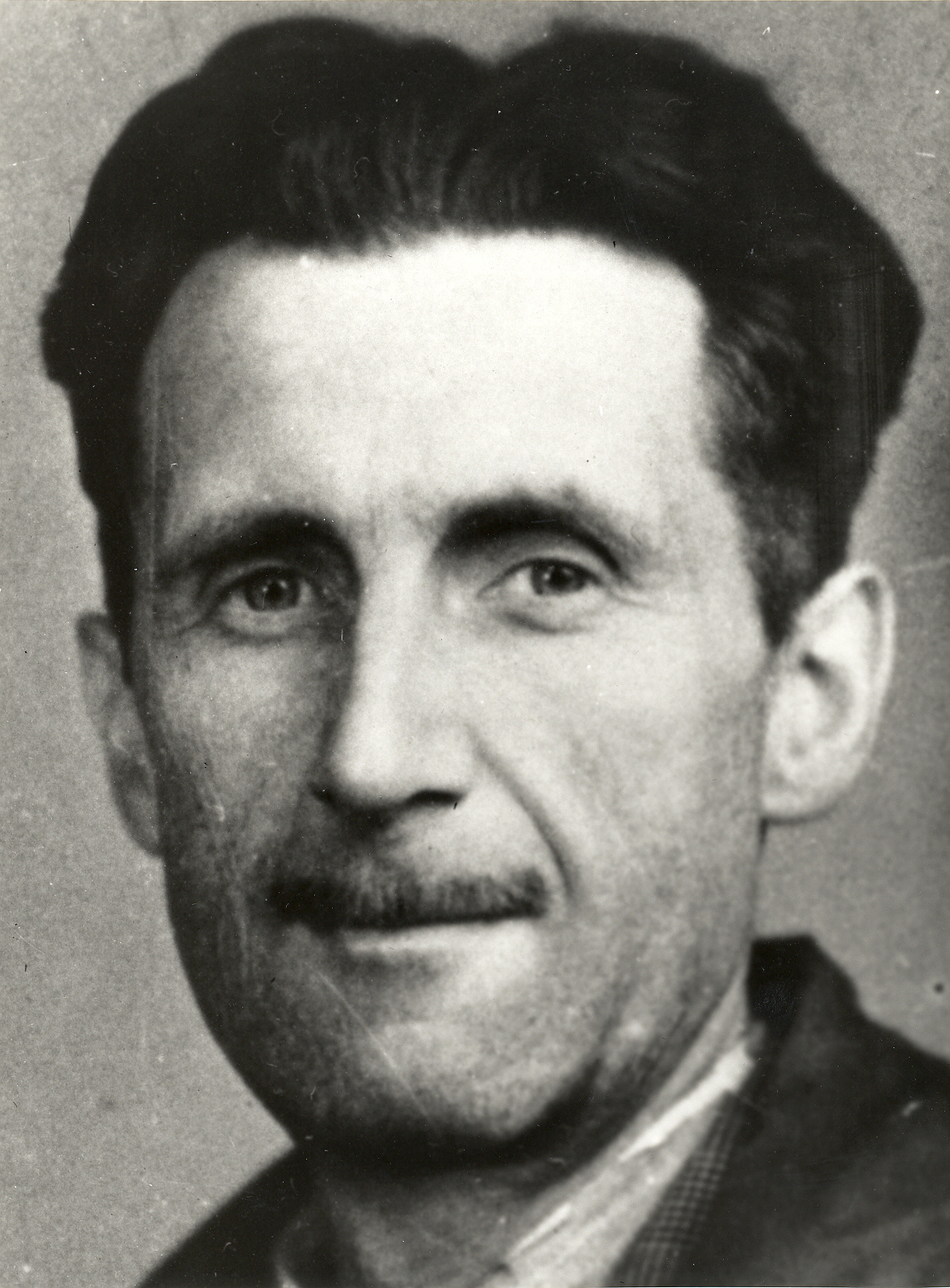
7 Images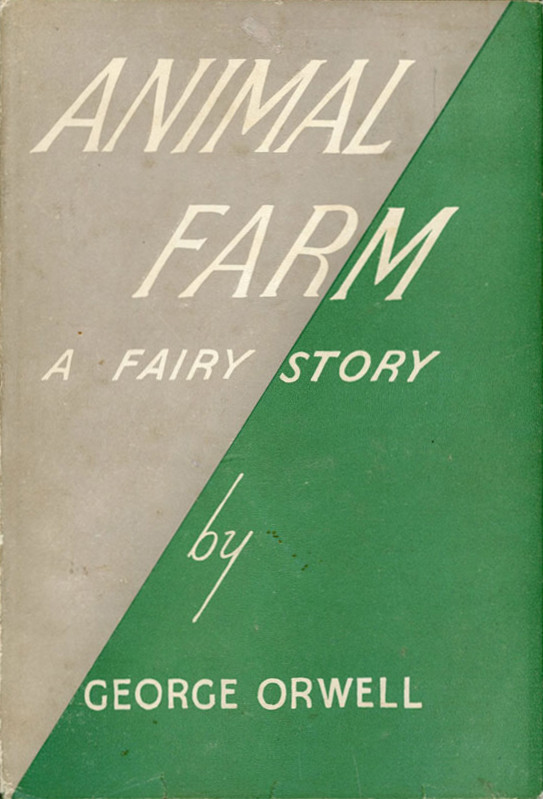




Setting and features
The estate is described as a typical mixed farm with fields, a farmhouse, and outbuildings. After the uprising the animals reorganize labor, produce, and rules for the community, attempting to run the place collectively. This physical backdrop shapes daily scenes and conflicts that drive the narrative.
Role in the story
Following the rebellion led by the animals, the property is rechristened Animal Farm as a symbol of liberation and new order. Over time a leadership class of pigs consolidates power, and by the end the farm's name is changed back to Manor Farm, reflecting a return to a human-style hierarchy. Key characters such as the pigs and their leader manipulate language and law to legitimize their authority.
Symbolism and themes
Manor Farm functions as a compact allegory of political revolution and its aftermath. It represents how ideals can be compromised, how power can corrupt, and how historical names and institutions can be restored to mask deep continuities. Readers often read the farm as a microcosm illustrating broader social and political dynamics.
Notable facts and details
- The original human proprietor, whose neglect prompts the uprising, highlights tensions between ruler and laborers.
- Pigs emerge as the administrative class; their behavior and rhetoric are central to the plot — see the pigs and their leader Napoleon.
- The sequence of renaming — from Manor Farm to Animal Farm and back again — is one of the novella's most cited symbols of cyclical political change; the initial rebellion by the animals sets that process in motion.
Because Manor Farm is fictional, its importance lies less in geographic detail than in the way Orwell uses a single setting to examine leadership, propaganda, and the fragility of revolutionary ideals. The farm remains one of modern literature's concise and potent allegorical spaces.
Related articles
Author
AlegsaOnline.com Manor Farm (fictional setting in George Orwell's Animal Farm) Leandro Alegsa
URL: https://en.alegsaonline.com/art/61391