
Manganese(II) sulfate
An overview of manganese(II) sulfate (MnSO4): its properties, hydrated forms, production routes, common uses in agriculture and industry, typical reactions, and basic safety considerations.
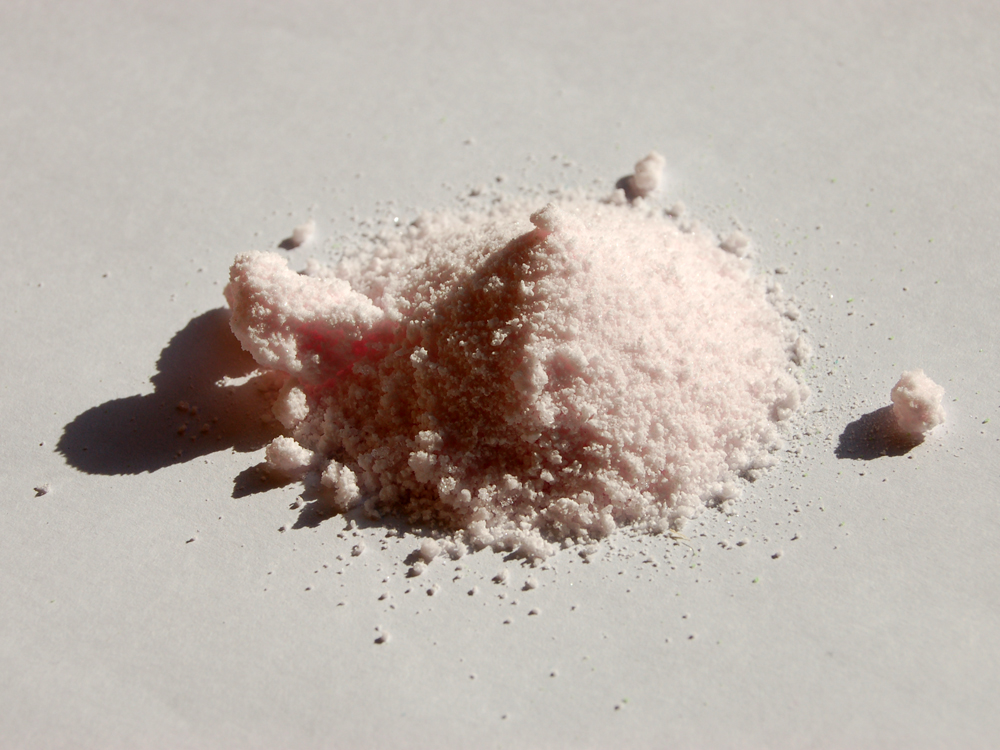
Overview: Manganese(II) sulfate is an inorganic salt with the formula MnSO4. It is commonly encountered as a pink or pale-pink crystalline solid that typically occurs as a hydrated salt. The compound contains manganese in the +2 oxidation state and the sulfate anion; for background on the ionic components see chemical compound, +2 oxidation state, manganese and the sulfate ion.
Image gallery
4 Images

Physical and chemical characteristics
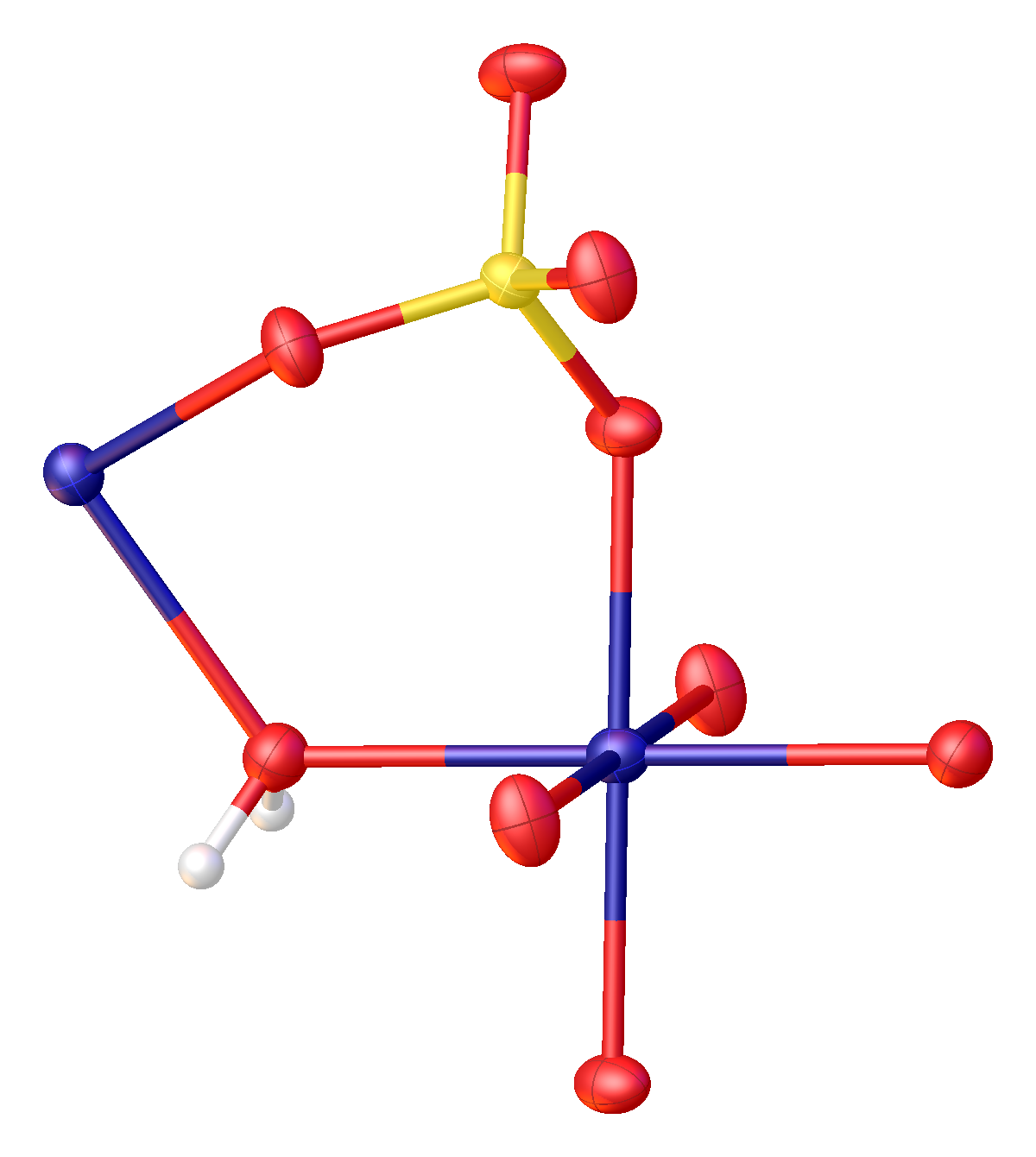
Manganese(II) sulfate forms several hydrates and is often supplied as a hydrated material rather than anhydrous MnSO4. The pink color arises from d-electron transitions of Mn2+. It is soluble in water, giving solutions that behave like typical manganese(II) salts in aqueous chemistry. In solution and in solid state the manganese ion remains in the divalent state under normal conditions.
Production and preparation
Industrial and laboratory preparations typically start from manganese ores or oxides. A common route converts manganese oxides or carbonates by treatment with sulfuric acid or by reduction processes that produce the Mn2+ sulfate. For example, reduction of higher oxides with sulfur dioxide or acid leads to formation of manganese(II) sulfate; historical and laboratory descriptions include reactions between sulfur dioxide and manganese dioxide. The compound can also be obtained by dissolving manganese metal or manganese compounds in sulfuric acid under controlled conditions.
Uses and applications
- Agriculture: used as a micronutrient to correct manganese deficiency in soils and plant tissues.
- Industrial chemistry: serves as a precursor to other manganese compounds and as an intermediate in metal production processes.
- Laboratory reagent: applied in inorganic syntheses and redox chemistry; for example it can participate in reactions with potassium permanganate to yield manganese dioxide under suitable conditions.
Reactivity, distinctions and notable facts
Manganese(II) sulfate is distinct from manganese compounds in higher oxidation states (such as MnO2 or permanganates) by its reducing character relative to permanganate. It is a versatile starting material because Mn2+ is relatively stable in water but can be oxidized or precipitated as manganese oxides when appropriate oxidants or bases are introduced. MnSO4 is used in metal refining and as a feedstock for making other manganese salts.
Safety and environmental aspects
Manganese is an essential trace element for plants and animals, but excessive exposure to manganese compounds can be harmful. Handling guidelines recommend avoiding inhalation of dust or aerosols and preventing release to waterways in concentrated form. Standard laboratory and industrial precautions (gloves, eye protection, ventilation) are advised when working with manganese(II) sulfate.
For further technical details and material data consult specialized sources or safety data sheets provided by suppliers; see also general references on manganese chemistry and sulfate salts (compound overview, oxidation states). Additional technical notes and application examples are available from industrial and academic publications and product data pages (manganese, sulfate, SO2 reactions, oxide chemistry, redox uses).
Related articles
Author
AlegsaOnline.com Manganese(II) sulfate Leandro Alegsa
URL: https://en.alegsaonline.com/art/61291