
Potassium permanganate: properties, uses, history, and safety
An encyclopedic overview of potassium permanganate (KMnO4): chemical characteristics, common applications, preparation and history, hazards and safe handling, with links for further reading.
Overview
Potassium permanganate, chemical formula KMnO4, is a dark purple to almost black crystalline inorganic salt that dissolves in water to give intensely purple solutions. It contains potassium ions and permanganate anions in which manganese is in the +7 oxidation state. As a strong one- and two-electron oxidizer, KMnO4 participates in a wide range of redox reactions and has been used industrially, medically and in laboratories for well over a century.
Image gallery
9 Images
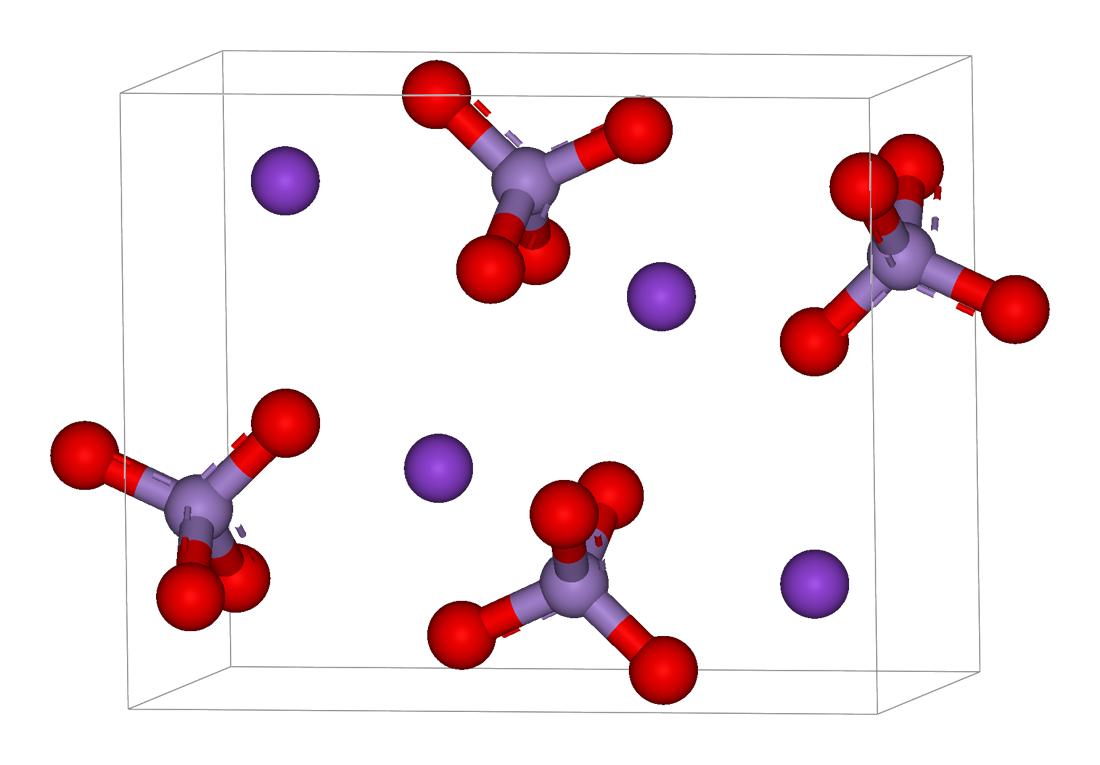


Chemical characteristics
Physical and chemical properties: Solid KMnO4 forms shiny crystals that are deep purple; finely divided material appears almost black. It has no appreciable odor, and while it has been described historically as having a mildly sweet taste, it is toxic and tasting is unsafe. In water it yields a purple solution and acts as a potent oxidizing agent, capable of accepting electrons from organic and inorganic substrates. The Mn(+7) center is reduced under many conditions to lower manganese oxidation states such as Mn(+4) or Mn(+2).
Reactions and behavior
KMnO4 oxidizes a broad range of compounds: it can cleave alkenes, oxidize alcohols and aldehydes, destroy many organic dyes and disinfect contaminated water by oxidizing organic matter. In acidic media it is reduced to Mn2+, in neutral to slightly alkaline media it often yields insoluble MnO2. It can react vigorously with reducing agents or concentrated organic material, sometimes producing heat and combustion; mixtures with fuels or strong reducers should be avoided.
Uses and applications
- Water treatment and sanitation: small doses are used to remove tastes, odors and iron/manganese stains; larger or uncontrolled amounts are hazardous.
- Laboratory and synthetic chemistry: a convenient oxidant for qualitative tests (e.g., Baeyer test for unsaturation) and for some preparative oxidations.
- Medical and first-aid uses: historical topical antiseptic and wound treatment in highly diluted solutions; modern practice limits or avoids such uses because of irritation and safer alternatives.
- Household and hobby uses: aquarium maintenance, odor control, and cleaning agents where oxidizing action is desired, applied with care and correct dilution.
History and production
Discovered in the 17th–19th century era of mineral and chemical study, potassium permanganate was produced commercially by oxidizing manganese compounds with strong oxidants. Today it is manufactured on an industrial scale by oxidizing manganese dioxide or other manganese sources and converting the resulting manganate/potassium salts to permanganate. Common historical names include permanganate of potash and Condy's crystals.
Safety, storage and disposal
KMnO4 is an oxidizer and can cause burns on contact with skin or eyes; concentrated solutions are corrosive. It is toxic if swallowed and can stain skin, fabrics and organic matter. Store in a cool, dry place away from organic materials, reducing agents and combustible substances. Spills should be diluted and neutralized according to local regulations; waste must be handled as oxidizing chemical waste. For guidance on concentrations and safe first-aid measures consult reliable safety resources.
Further reading and resources
For general chemical data and safety details see: General overview, Chemical properties, and Safety datasheet. For laboratory procedures and organic reactions consult: Synthetic uses and Analytical tests. For historical context and manufacturing information see: History and Industrial production. For water treatment and medical applications: Water treatment guidance and Medical considerations.
Questions and answers
Q: What is potassium permanganate?
A: Potassium permanganate is an inorganic chemical compound.
Q: What is the chemical formula of potassium permanganate?
A: The chemical formula of potassium permanganate is KMnO4.
Q: What ions does potassium permanganate contain?
A: Potassium permanganate contains potassium and permanganate ions.
Q: What is the oxidation state of manganese in potassium permanganate?
A: The oxidation state of manganese in potassium permanganate is +7.
Q: What are the other names for potassium permanganate?
A: The other names for potassium permanganate are permanganate of potash and Condy's crystals.
Q: What is the property of potassium permanganate as an oxidizing agent?
A: Potassium permanganate is a strong oxidizing agent, which means it has a tendency to take electrons from other chemicals.
Q: What happens when potassium permanganate is evaporated?
A: When potassium permanganate is evaporated, it makes purple-black shiny crystals.
Related articles
Author
AlegsaOnline.com Potassium permanganate: properties, uses, history, and safety Leandro Alegsa
URL: https://en.alegsaonline.com/art/78425
Sources
- dx.doi.org : 10.1055/s-1987-27859
- ncbi.nlm.nih.gov : PMID 495695
- ncbi.nlm.nih.gov : PMID 839739
- oregon.gov : oregon.gov
- incb.org : Red list