
Mammalia (class): Characteristics, Evolution, and Diversity
Mammalia is the class of warm-blooded vertebrates characterized by hair and mammary glands. This article outlines diagnostic traits, major groups, evolutionary history, ecological roles, and conservation concerns.
Mammalia is the class of vertebrates commonly known as mammals. Mammals are distinguished from other animals by a suite of anatomical and physiological features that evolved in their synapsid ancestors. They occur in many shapes and lifestyles—from tiny egg-laying monotremes and tree-dwelling marsupials to bats that fly and whales that live in the sea. Mammals play diverse ecological roles and are central to human societies as food sources, companions, and research subjects.
Image gallery
10 Images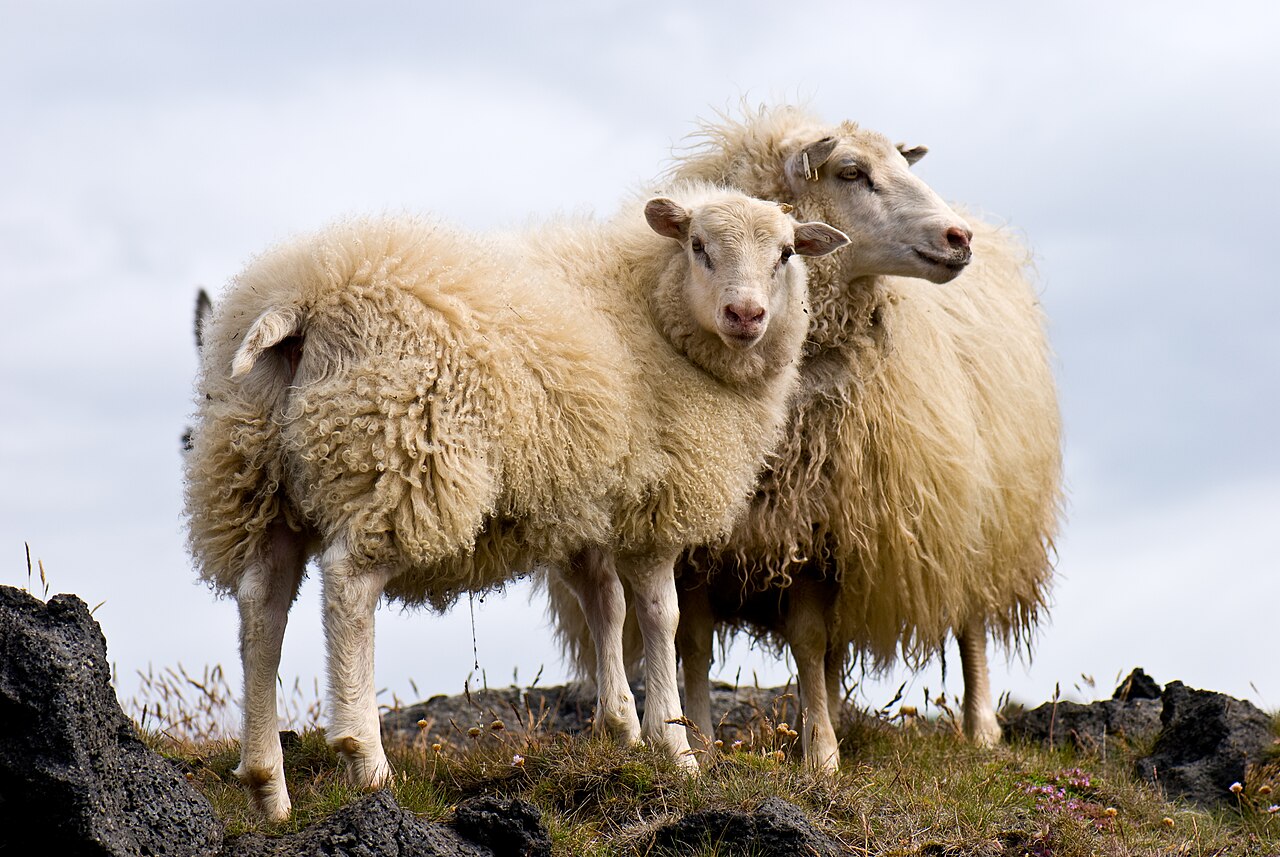

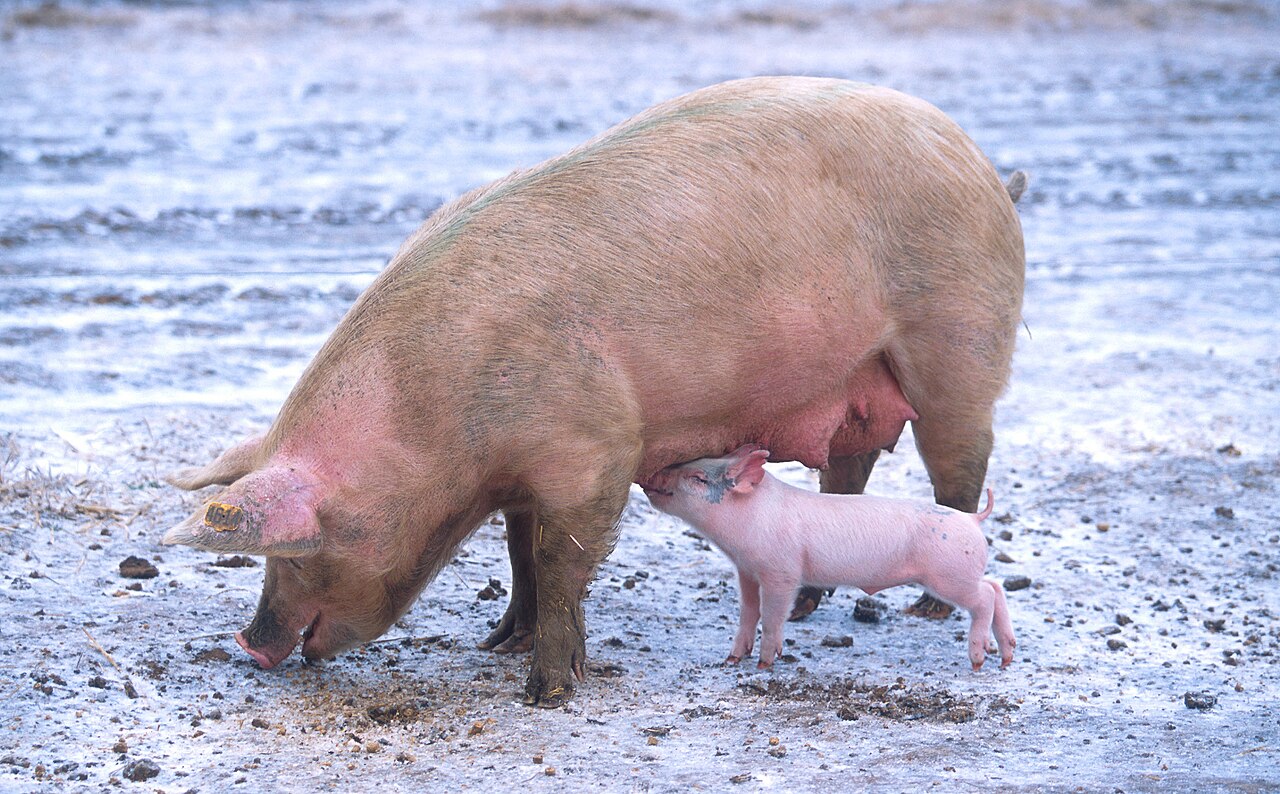


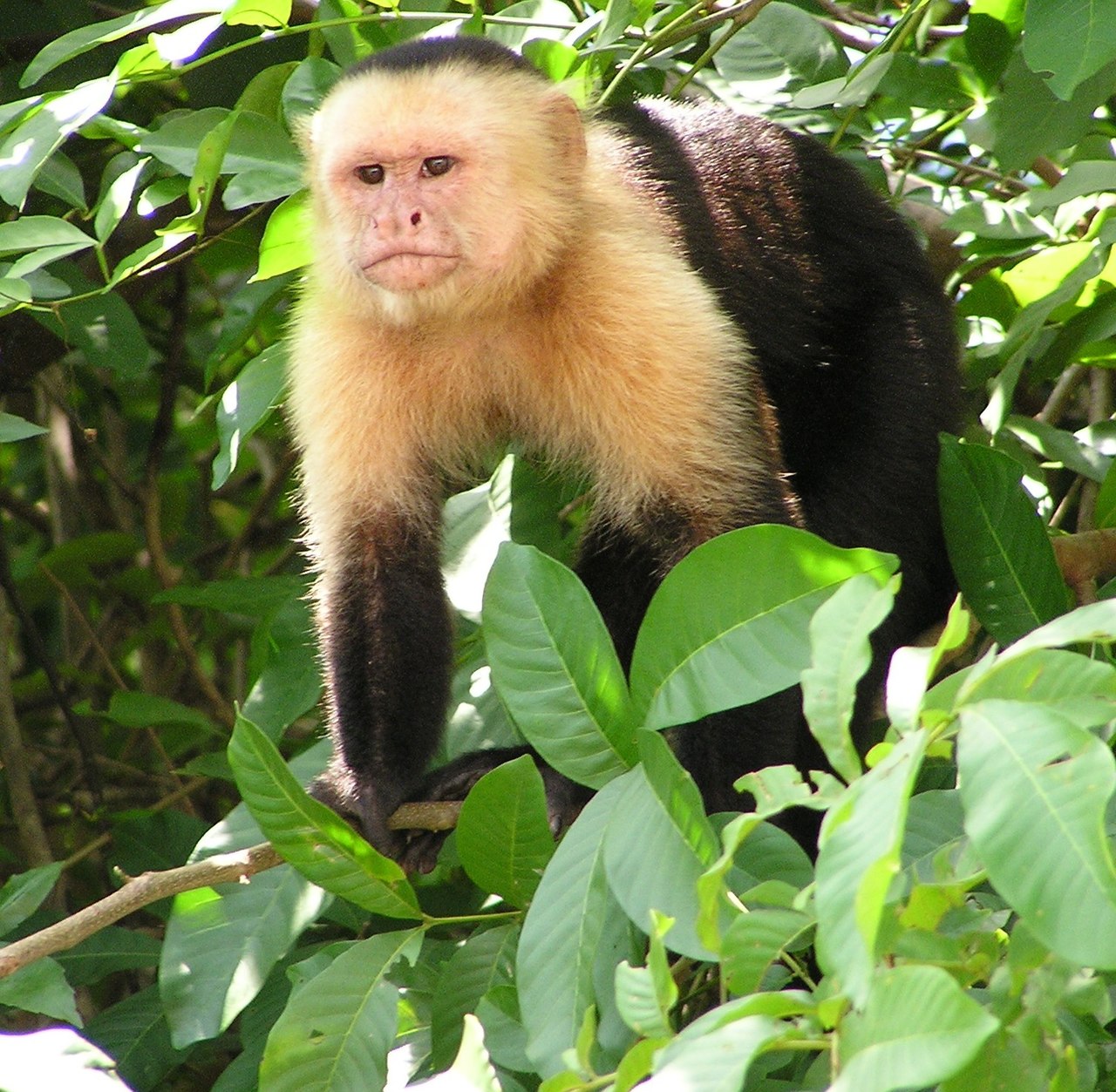
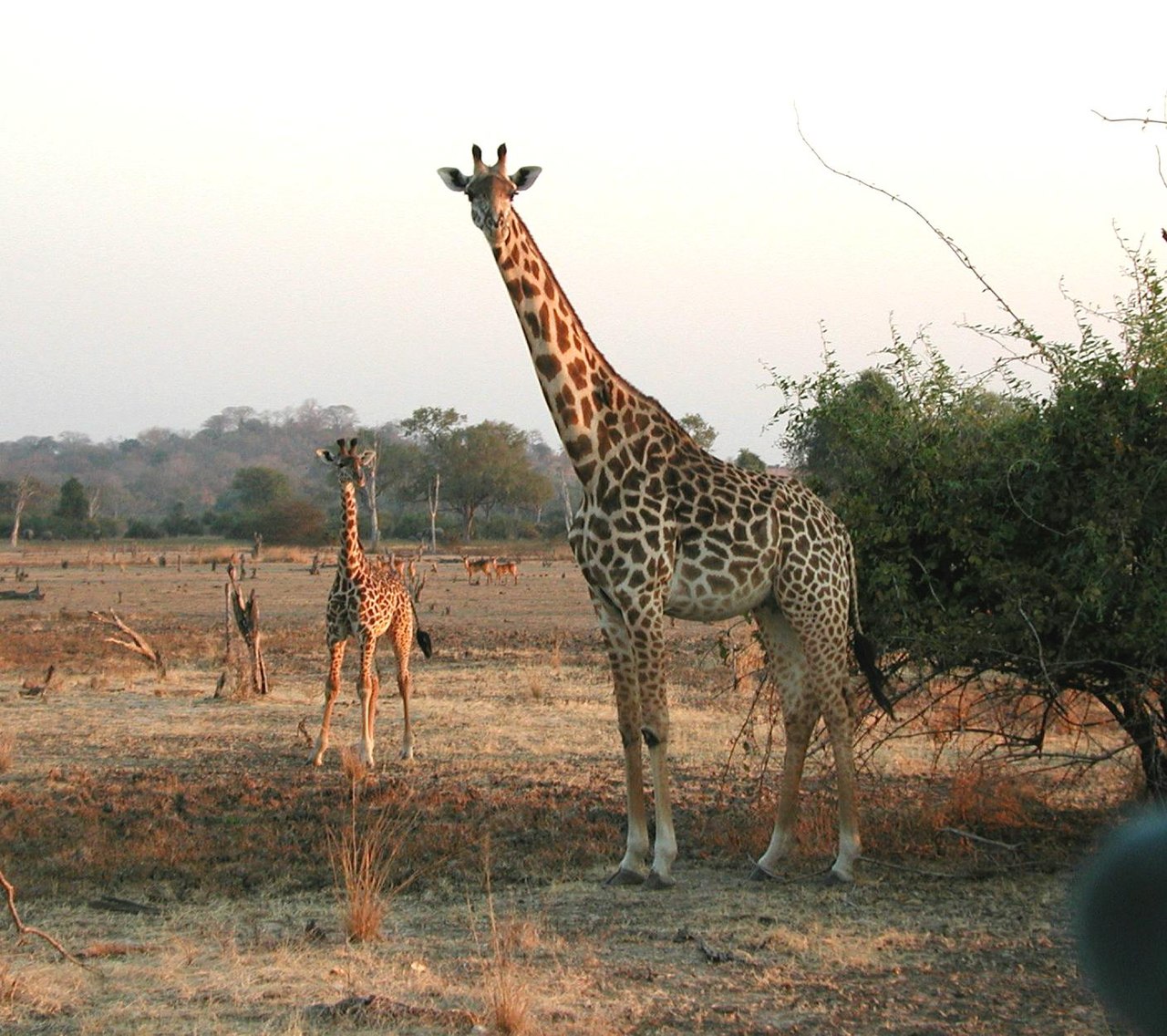


Defining characteristics
Several traits are commonly used to recognize mammals. These features are not all unique to mammals, but their combination is distinctive:
- Hair or fur: a skin covering that assists insulation, camouflage, sensory input, and social signaling.
- Mammary glands: produce milk to nourish young, a key reproductive adaptation.
- Three middle ear bones: bones that improve hearing sensitivity relative to many other vertebrates.
- Neocortex: an expanded region of the brain associated with complex behavior and sensory processing.
- Heterodont dentition and specialized jaws: teeth of different shapes for varied diets, and a jaw joint distinct from reptiles.
- Endothermy: the ability to maintain a relatively constant internal temperature through metabolism and insulation.
Major groups and diversity
Living mammals are commonly sorted into three broad groups: monotremes (egg-laying species such as platypuses and echidnas), marsupials (pouched mammals like kangaroos and opossums), and placentals (the largest group, including rodents, primates, carnivores, ungulates, cetaceans, and bats). Each group has evolved distinctive reproductive strategies, life histories, and anatomical specializations that allow them to occupy a wide range of habitats.
Evolution and development
Mammals trace their ancestry to synapsid reptiles of the late Paleozoic and underwent major changes through the Mesozoic. Early forms were generally small and nocturnal; many modern mammal features—fur, refined teeth, and complex brains—evolved gradually. After the extinction of many large reptiles at the end of the Mesozoic, mammals diversified into the ecological niches left vacant and produced the wide array of species seen today.
Ecological importance and human interactions
Mammals serve as predators, prey, pollinators, and ecosystem engineers. Bats pollinate plants and consume insects; large herbivores shape vegetation; carnivores regulate prey populations. Humans have domesticated several mammal species for food, labor, and companionship, and mammals are key subjects in medical and biological research. Many species face threats from habitat loss, overexploitation, and climate change, making conservation a priority for maintaining biodiversity and ecosystem services. For general reference on mammals and further reading see Mammals.
Related articles
Author
AlegsaOnline.com Mammalia (class): Characteristics, Evolution, and Diversity Leandro Alegsa
URL: https://en.alegsaonline.com/art/61129