
Malmesbury: historic market town in north Wiltshire
Malmesbury is an ancient market town in north Wiltshire, England, known for its abbey, medieval heritage, claim to be England’s oldest borough and a long history that reaches back to the Iron Age.
Overview
Malmesbury is a small market town in north Wiltshire that lies just south of the rolling hills of the Cotswolds. Often described as a classic English market town, it grew around an important religious foundation and later became a local centre for trade and learning. Today it remains a civic and cultural focal point for surrounding villages and visitors.
Image gallery
10 Images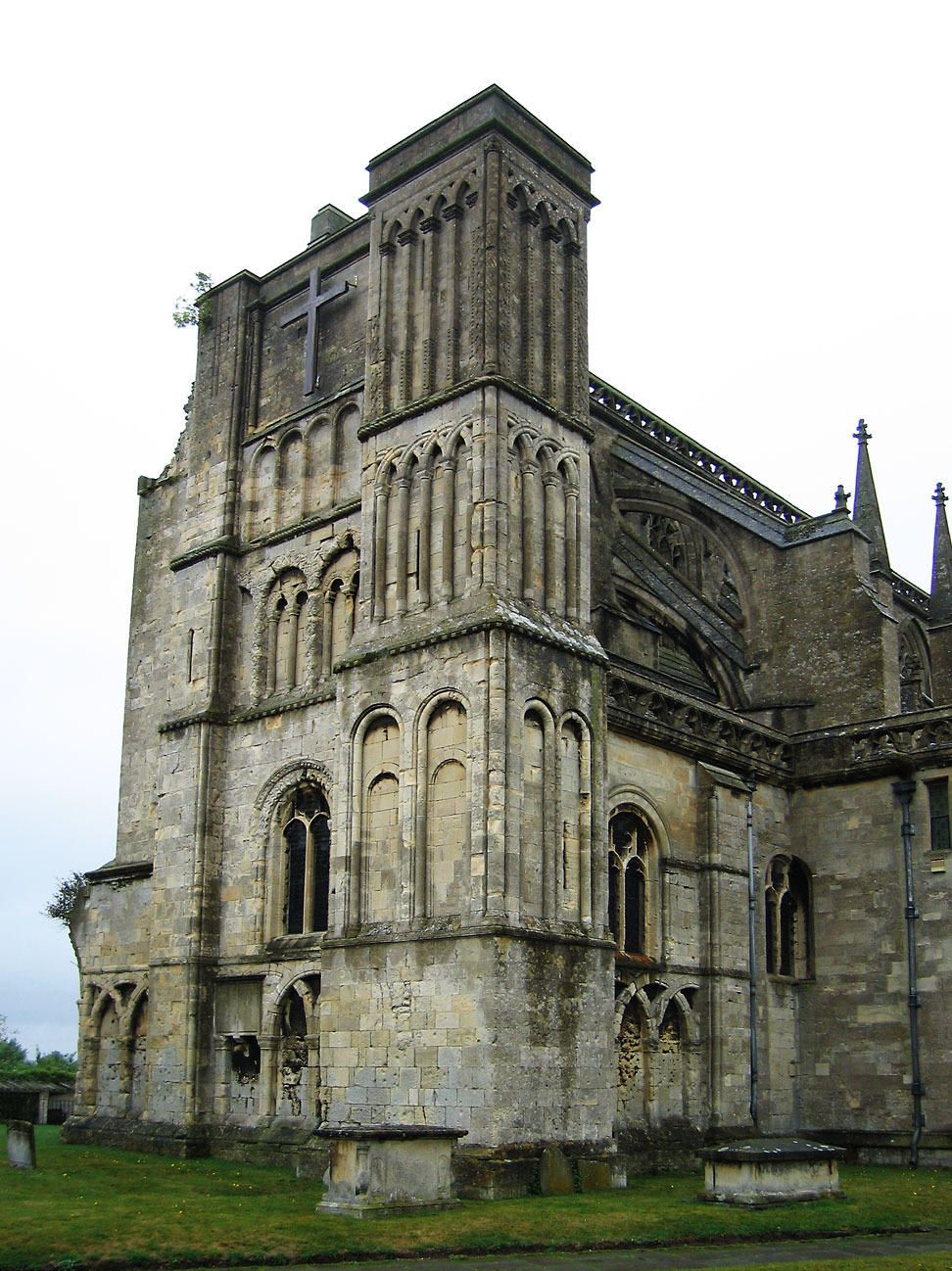



Key characteristics
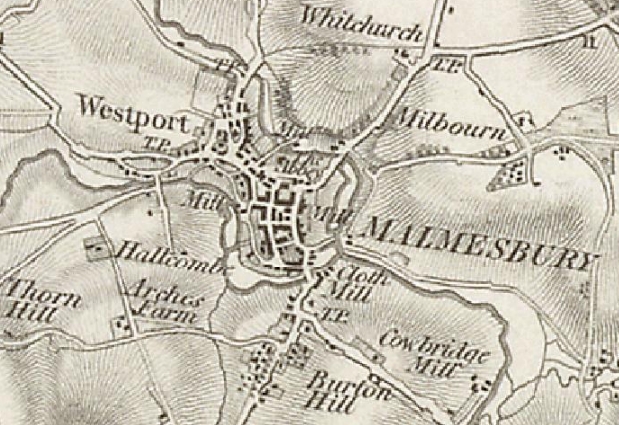
The town is built on a ridge above a loop of the River Avon and retains a compact core of narrow streets, historic houses and ecclesiastical ruins. The remains of its once-dominant religious complex, commonly called Malmesbury Abbey, still form the principal landmark. Malmesbury holds a long-established chartered market and assorted small businesses, artisanal shops and annual events that draw local tourism.
History and development
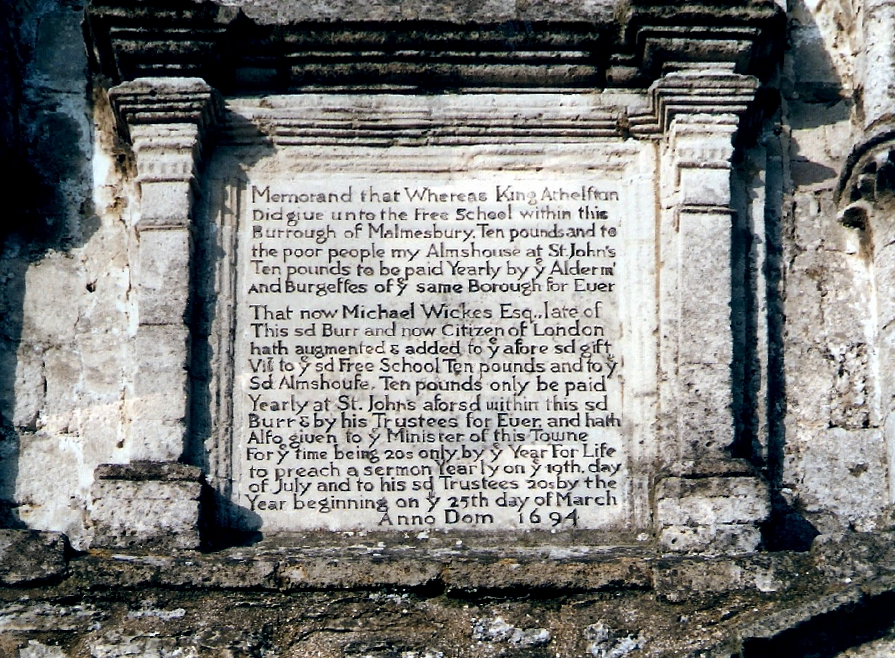
Archaeological evidence indicates occupation in the area before the Roman period, including a nearby Iron Age hill fort. The town’s recorded history is most notable from the early medieval era: a religious community here became a centre of learning during the Middle Ages. Local tradition and surviving references attribute the borough’s foundation by a charter associated with Alfred the Great around the late ninth century, which has been used to support Malmesbury’s claim as the oldest borough in England.
Prominent medieval figures linked to the town include Aldhelm, an early abbot and scholar, and William of Malmesbury, a 12th-century historian whose writings preserve much about the period. Through the later Middle Ages Malmesbury benefited from the wool trade and periodic fairs, while the abbey remained a religious and cultural centre until the dissolution of the monasteries.
Modern importance and attractions
- Malmesbury Abbey and parish church complex: a mix of Norman and later medieval masonry that draws visitors.
- Historic market square and lanes with independent shops and cafés.
- Local festivals, heritage walks and interpretation for the town’s long past.
Although small, the town continues to balance conservation with contemporary life: it is a commuter base for nearby towns, a focus for heritage tourism and a community with active preservation groups. Its layered history—from prehistoric earthworks through Anglo‑Saxon learning to medieval borough status—makes Malmesbury a notable example of an English town whose identity has been shaped by religion, trade and civic tradition. For further reading and visitor information see local guides and archives (market history, borough records) and regional resources on the Middle Ages and Cotswolds.
Related articles
Author
AlegsaOnline.com Malmesbury: historic market town in north Wiltshire Leandro Alegsa
URL: https://en.alegsaonline.com/art/61054
Sources
- bbc.co.uk : Malmesbury: England's Oldest Borough, BBC History
- swindonadvertiser.co.uk : Iron Age remains uncovered by archaeologists, Swindon Adviser (Thursday, 26 December 2013)