
Manchester Arena — major indoor venue in Manchester, England
Large multi-purpose indoor arena above Manchester Victoria station in Manchester, England, known for its capacity, wide range of events and the 2017 bombing that prompted major security and emergency-response changes.
Overview
Manchester Arena is a large multi-purpose indoor arena in the Hunts Bank area of central Manchester, England. Built above Manchester Victoria railway station, it is a prominent site for popular music, sport, family entertainment and large-scale public events. The venue is among the busiest arenas in the United Kingdom and has been a focal point for major touring shows and televised events.
Image gallery
10 Images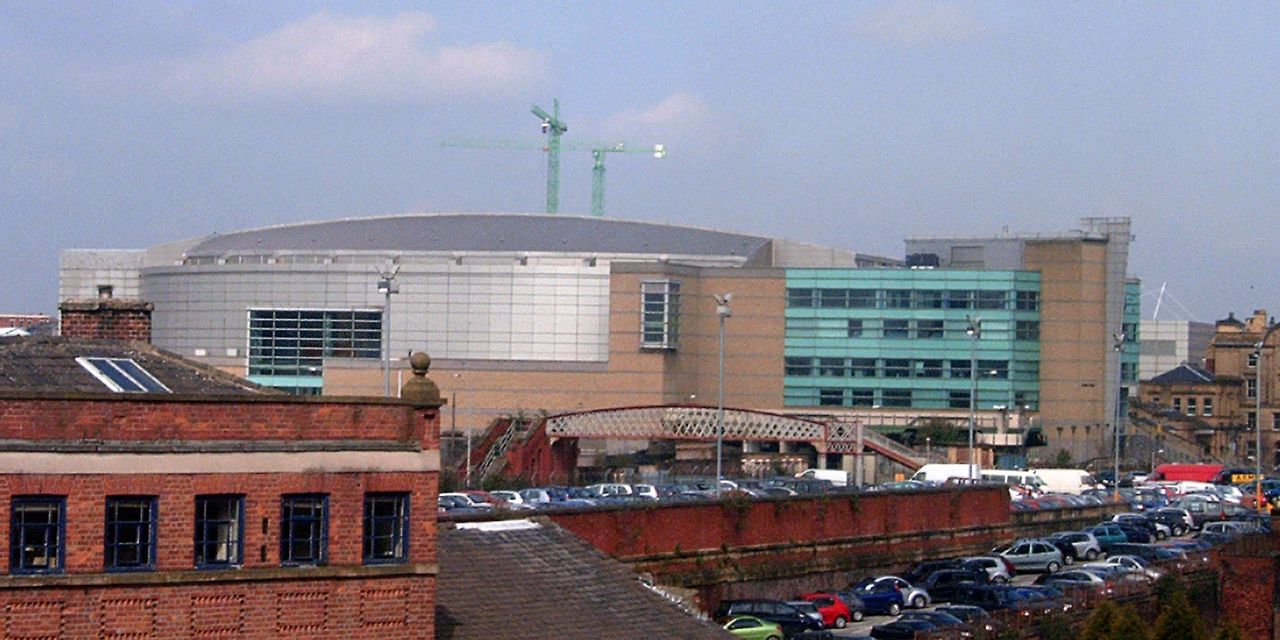




Location and access
The arena occupies an urban site immediately to the north of Manchester city centre and is closely integrated with public transport. It has direct pedestrian connections to Manchester Victoria station and nearby tram and bus services, making it readily accessible for large audiences by rail and road. For practical visitor information consult local transport and venue resources, including site details and materials on the wider North West England region.
Capacity and configuration
Configured for seated and standing events, the arena can accommodate up to approximately 21,000 spectators in its maximum layout, which places it among the largest indoor venues in the United Kingdom and one of the larger arenas in the European context. Flexible seating systems, tiered stands and removable floor areas allow rapid changeover between concerts, sporting layouts and other event formats.
Design and facilities
Designed for versatility, the arena features a main bowl with multiple tiers of seating, hospitality suites, broadcast facilities and backstage spaces for performers and production teams. Acoustic treatments and sightline planning aim to serve both amplified music and sporting productions; the floor and rigging systems allow temporary installations such as boxing rings and, on occasion, temporary pools or staging for demonstrations (boxing fixtures, swimming and aquatic displays).
Events, programming and significance
The arena hosts a wide range of events including international concert tours, comedy, family shows, sporting contests and special-occasion spectacles. It was part of Manchester’s cultural and sporting ambitions in the 1990s and early 2000s, and played a role in the city’s bids related to the Olympic Games (Olympic bids) and in preparations for the 2002 Commonwealth Games. The venue’s scale and turnover contribute significantly to the city’s live-entertainment economy.
2017 attack and aftermath
On 22 May 2017 a suicide bombing in the arena foyer following a pop concert resulted in the deaths of 22 people and many more injured. The attack occurred after a performance by singer Ariana Grande and received extensive media attention (coverage of the incident). In the years since, the arena, emergency services and national authorities have carried out reviews of security, crowd safety and victim support measures. The event prompted changes to venue security practice, improved multi-agency emergency planning and the establishment of memorials and support arrangements for those affected.
Management, legacy and visitor information
Managed as a commercial entertainment venue, the arena continues to host major artists and large sporting fixtures and remains an important part of Manchester’s cultural infrastructure. Operational priorities include rapid event turnaround, accessibility provisions and ongoing safety improvements. For comparisons of venue size and rankings see resources on UK venue rankings and broader European comparisons. For official visitor, accessibility and event-listing information consult the venue’s published guidance and local tourism resources (location, regional information).
- Main uses: concerts, sport, family shows, televised events.
- Capacity: up to about 21,000 in maximum configuration.
- Transport: adjacent to Manchester Victoria station with tram and bus links.
- Legacy: high-profile role in city culture and strengthened event-safety practice following 2017.
The arena remains active on the city’s event calendar and is frequently cited in discussions of venue management, public-safety planning and the economics of live entertainment in major UK cities. Researchers and visitors seeking detailed, current schedules and accessibility provisions should consult the venue’s official communications and recognised local visitor guides (venue details, regional context).
Related articles
Author
AlegsaOnline.com Manchester Arena — major indoor venue in Manchester, England Leandro Alegsa
URL: https://en.alegsaonline.com/art/61192
Sources
- measuringworth.org : Measuring Worth: UK CPI
- smg-europe.com : "Manchester Evening News arena"
- manchestereveningnews.co.uk : "Manchester terror attack"