
Alcúdia (Majorca): historic town and coastal municipality
Alcúdia is a town on the northeastern coast of Majorca known for its walled medieval center, nearby Roman ruins, beaches and seasonal tourism centered on the Port and old town.
Overview
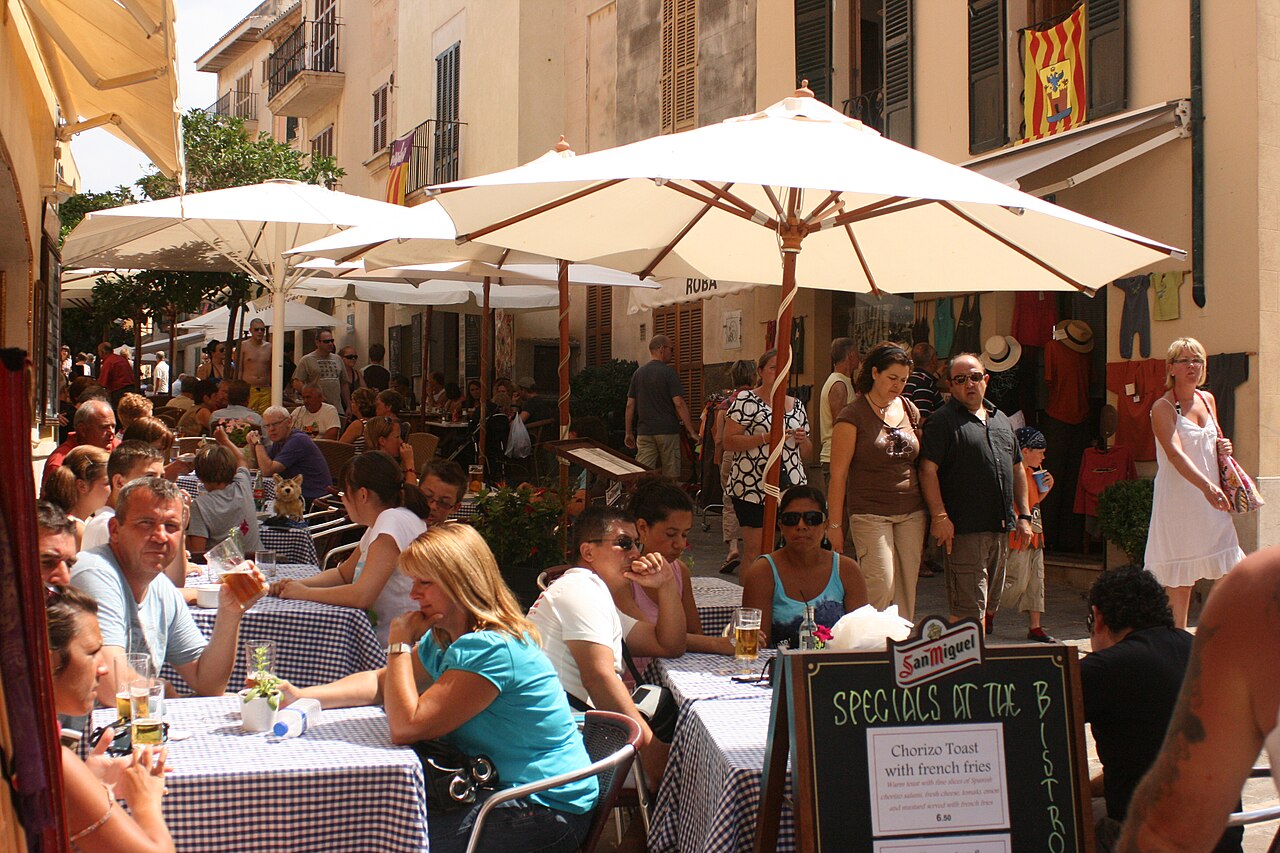
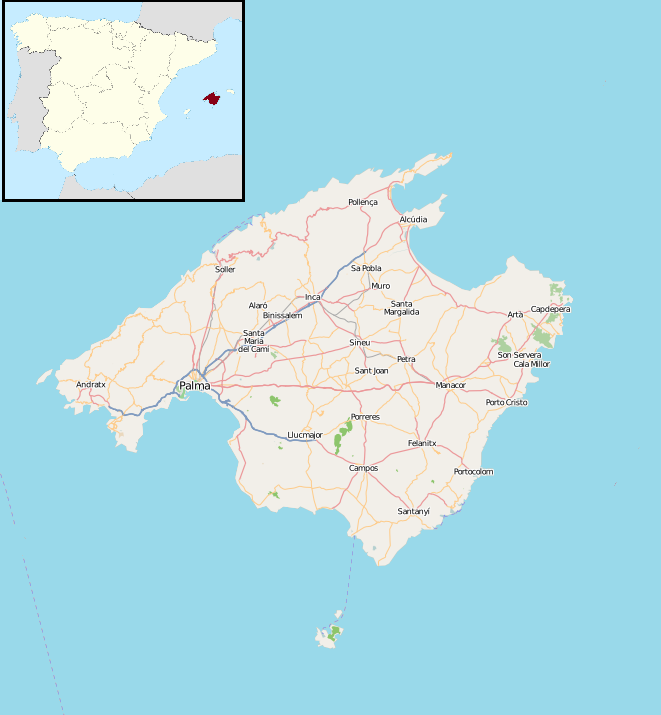
Alcúdia is a town and municipality on the northeastern shore of the island of Majorca in the Balearic archipelago. The historic core is a compact, largely intact walled town that contrasts with a modern seaside resort area known as Port d'Alcúdia. The resident population is relatively small—around 5,400 people—but the area receives many visitors in warmer months.
Image gallery
7 Images



History and development
The site has a long human presence, with archaeological remains from Roman times near the ruined city of Pollentia. In the medieval and early modern periods Alcúdia developed as a fortified settlement: its walls and gate towers were built to resist raids and to control trade routes. Over time the town's economy shifted from agriculture and fishing to services and hospitality linked to tourism.
Geography and notable features
Alcúdia sits between sandy beaches, a shallow bay, and low inland hills. Close by is a protected wetland and nature reserve that supports birdlife and dune habitats. The old town is notable for its paved streets, restored buildings and ramparts; the seafront area offers a long, family-friendly beach and recreational facilities.
Economy and tourism
Tourism is a primary economic driver, particularly in summer when visitor numbers rise sharply. The resort at Port d'Alcúdia provides hotels, restaurants and marinas that cater to families and international tourists. Local markets, cultural events and historical sites help extend interest beyond the peak high season. For practical information about visiting the municipality see local guides and official pages such as municipal information and regional tourism resources like tourism portals.
Attractions and activities
- Walking the medieval walls and exploring the old town's squares and churches.
- Visiting the Roman ruins at Pollentia and nearby archaeological displays.
- Beach activities, family amenities and boat excursions from the port.
- Birdwatching and nature trails in the coastal wetlands.
Seasonal patterns are pronounced: the economy and services expand in the high season (summer) and contract in quieter months, which affects opening hours and transport. For up-to-date event calendars and travel advice consult official sources and seasonal guides such as regional season information.
Related articles
Author
AlegsaOnline.com Alcúdia (Majorca): historic town and coastal municipality Leandro Alegsa
URL: https://en.alegsaonline.com/art/2209