
Mahmud II: Ottoman Sultan who reformed the state and army
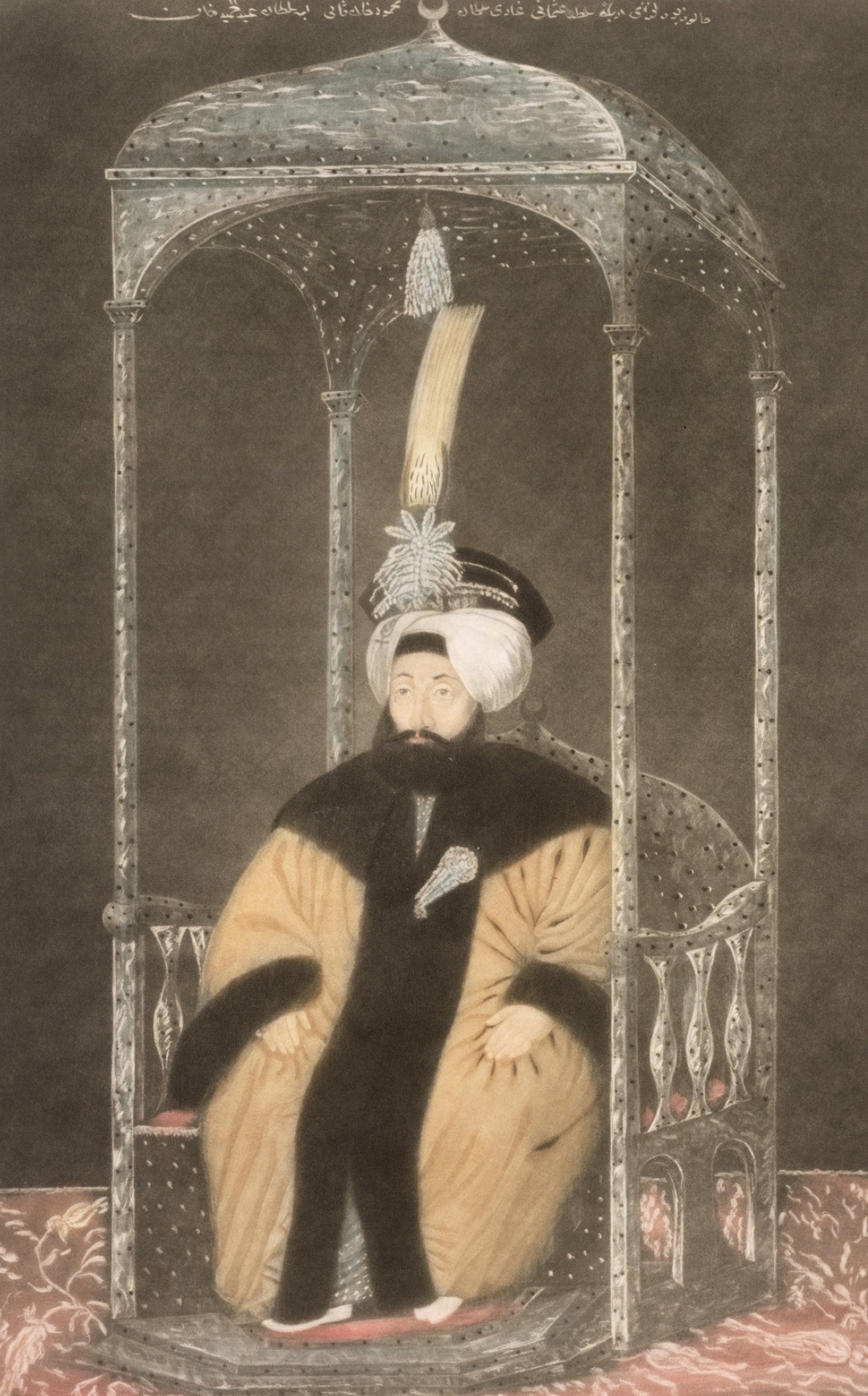
Mahmud II (1785–1839), 30th Ottoman sultan (1808–1839). He centralized administration, abolished the Janissaries, created a modern army and initiated reforms that paved the way for the Tanzimat era.
Overview
Mahmud II (in Ottoman Turkish) was born on July 20 1785 and died on July 1 1839. He became the 30th Sultan of the Ottoman Empire in 1808 and ruled until his death. A patron of the arts, he was known as a calligrapher, composer and poet who used the pen name "Adli." His reign combined cultural interests with determined political reform aimed at strengthening the central state.
Image gallery
10 Images




Reforms and administration
Mahmud II pursued administrative, legal and military changes to modernize institutions and reassert central authority over provincial elites. He introduced a standing, Western-style army to replace older forces and reorganized aspects of civil administration. These initiatives are commonly viewed as preparatory steps for the later Tanzimat period of more extensive reform.
- Military modernization: abolition of the Janissary corps during the "Auspicious Incident" and formation of a new regular army often referred to in contemporary sources as a modernized force.
- Administrative centralization: efforts to curb the power of local notables and irregular provincial troops and to bring taxation and local governance closer to central oversight.
- Legal and social measures: changes intended to make state institutions more uniform and to support recruitment into the new conscripted forces (conscription).
Wars, diplomacy and provincial challenges
Mahmud’s reign was marked by several major conflicts that tested Ottoman resources and diplomacy. He concluded the Russo-Ottoman war with the Treaty of Bucharest (1812) after fighting military campaigns in multiple theaters and later faced Russia again in 1827–1829, ending with the Treaty of Edirne. He directed operations against the revival of the Arabian Wahhabi movement — with the military assistance of Muhammad Ali Pasha of Egypt — to restore Ottoman control over the Hijaz and its holy cities, which had been threatened by the Wahhabis. The outbreak of the Greek War of Independence in 1821 was another major crisis of his reign and produced long-lasting consequences for Ottoman rule in the Balkans.
Notable events and cultural activity
Mahmud II initiated school foundations and repairs of major mosques and public works in Istanbul and the empire’s holy places. He commissioned architectural and infrastructural projects and supported scholarship and the arts. His reign included the suppression of several revolts and uprisings linked to resistance against centralization and military reform; one such turning point was the violent end of the Janissary corps, which demonstrated the sultan’s willingness to use force to transform institutions.
Legacy and death
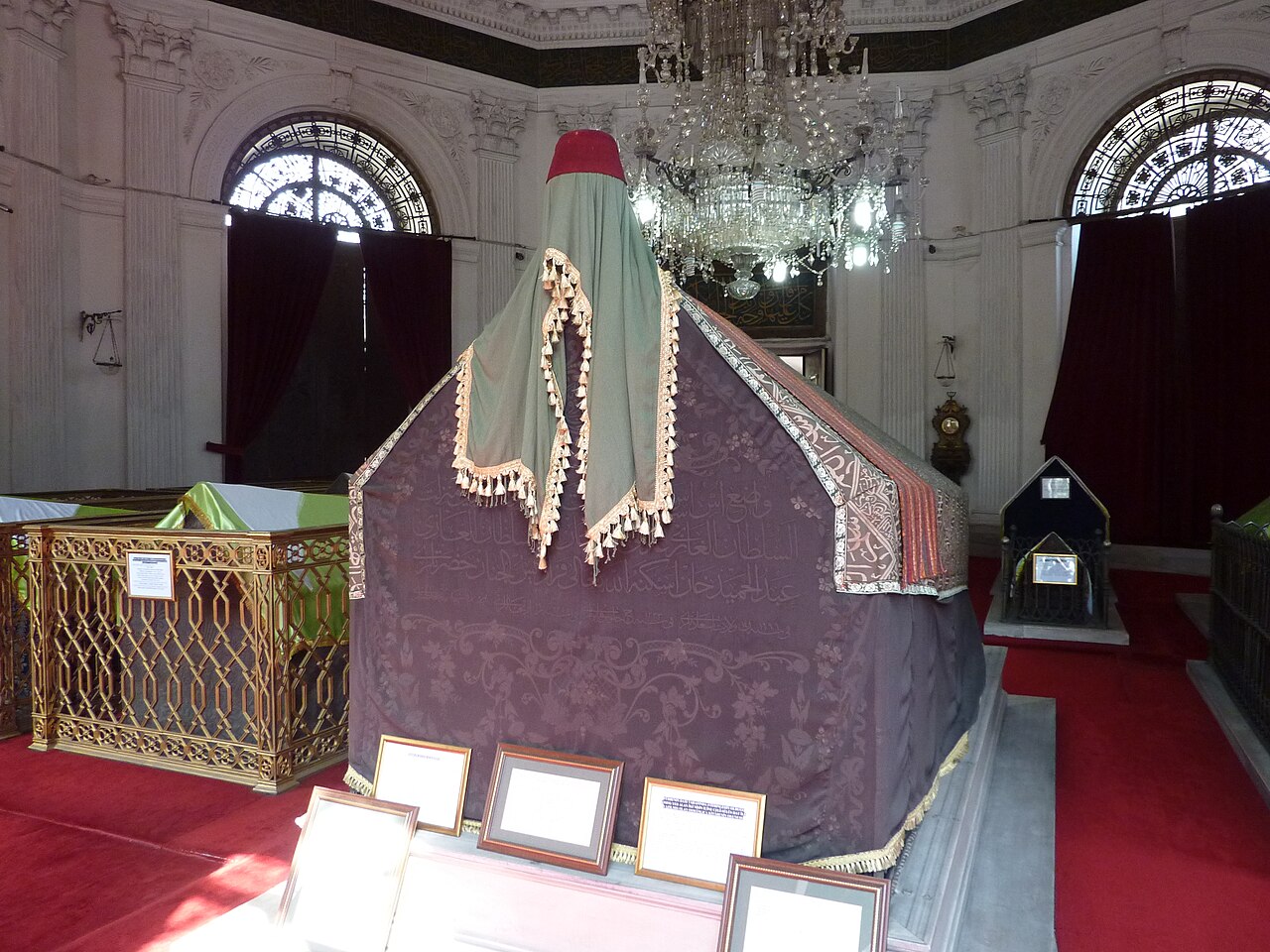
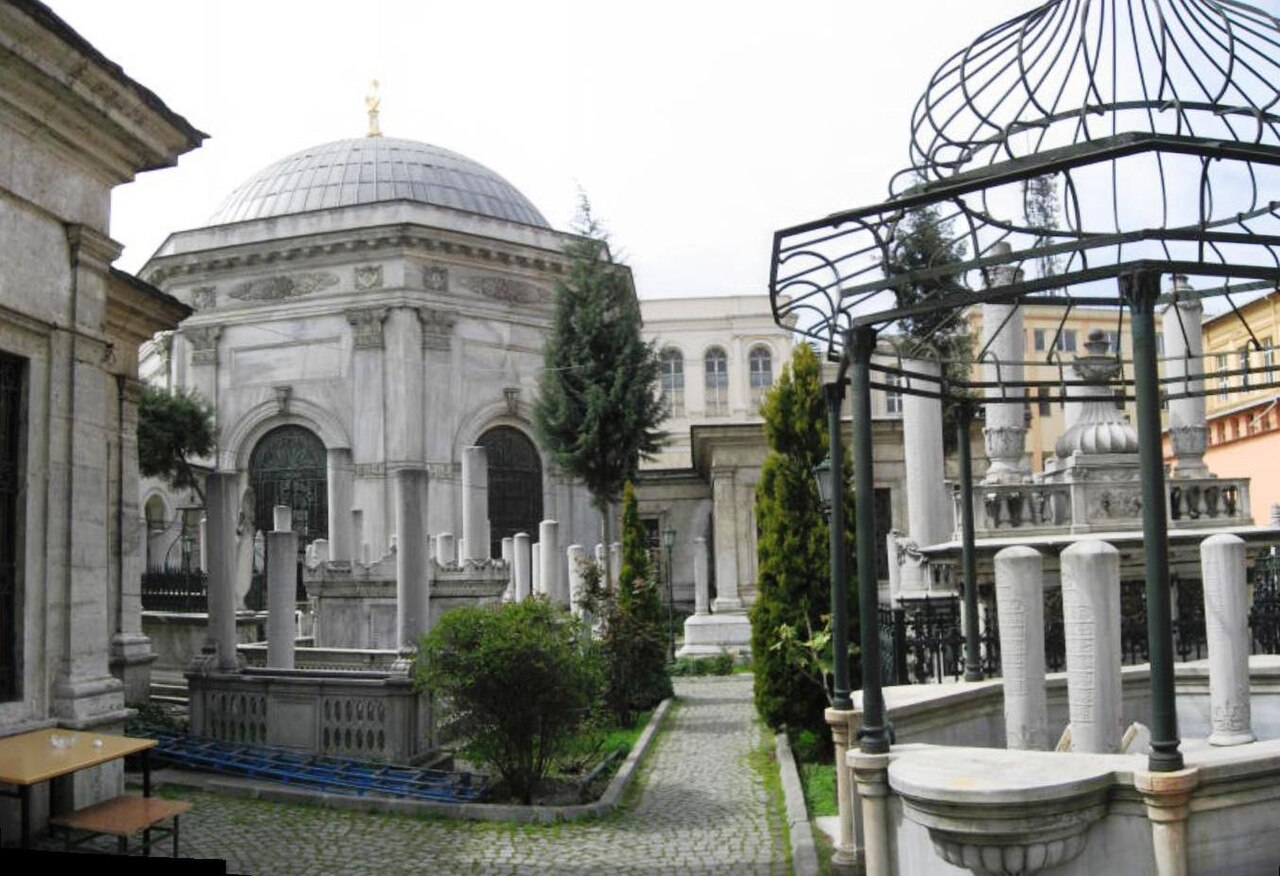
Mahmud II died in 1839, reportedly after a long illness commonly identified as tuberculosis. He was buried in a mausoleum on the old imperial thoroughfare (Divanyolu) in Istanbul. Many historians consider his reign a hinge between Ottoman tradition and a more European-influenced state: his reforms weakened some of the empire’s medieval structures and laid administrative and military foundations that enabled the more systematic reforms of the subsequent Tanzimat era. His policies also highlighted tensions between central power and ambitious provincial rulers such as the dynasty in Egypt, whose growing autonomy would trouble Istanbul after his death.
Mahmud had numerous children; among the best known were Abdülmecid I and Abdülaziz, who later became sultans. His personal interests in poetry and calligraphy, under the name Adli, are frequently noted in accounts of his cultural patronage and court life.
For further reading on language, chronology and legal aspects see related entries on Ottoman Turkish, the sultanate and reforms (legal changes, military reforms), and detailed studies of the empire’s wars with Russia and the revolts in the Arab provinces and the Balkans. Primary resources and archival material are catalogued in several collections and archives that document the treaties and campaigns of his reign.
Selected references and external collections: birth records and dates, biographical timelines, and collections on the reign and correspondence of Mahmud II (chronologies, sultanic records, Ottoman administrative papers, and materials on the suppression of the Janissaries and introduction of conscription systems).
Related articles
Author
AlegsaOnline.com Mahmud II: Ottoman Sultan who reformed the state and army Leandro Alegsa
URL: https://en.alegsaonline.com/art/60729