
Magic (illusion) — performance, techniques and history
Magic (illusion) is a performing art that creates the appearance of impossible events through skill, props, psychology and staging. This article covers methods, history, common effects and ethical issues.
Overview
Magic, in the sense of stage and close-up illusion, is an entertainment art where performers create events that appear inexplicable or supernatural while relying on natural means. Practitioners — commonly called magicians, illusionists, conjurers or prestidigitators — use a mix of manual skill, engineered apparatus and audience management to produce wonder. Audiences are invited to suspend disbelief and enjoy the puzzle of how an effect is produced. For introductions to basic concepts and classifications, see basic techniques.
Image gallery
10 Images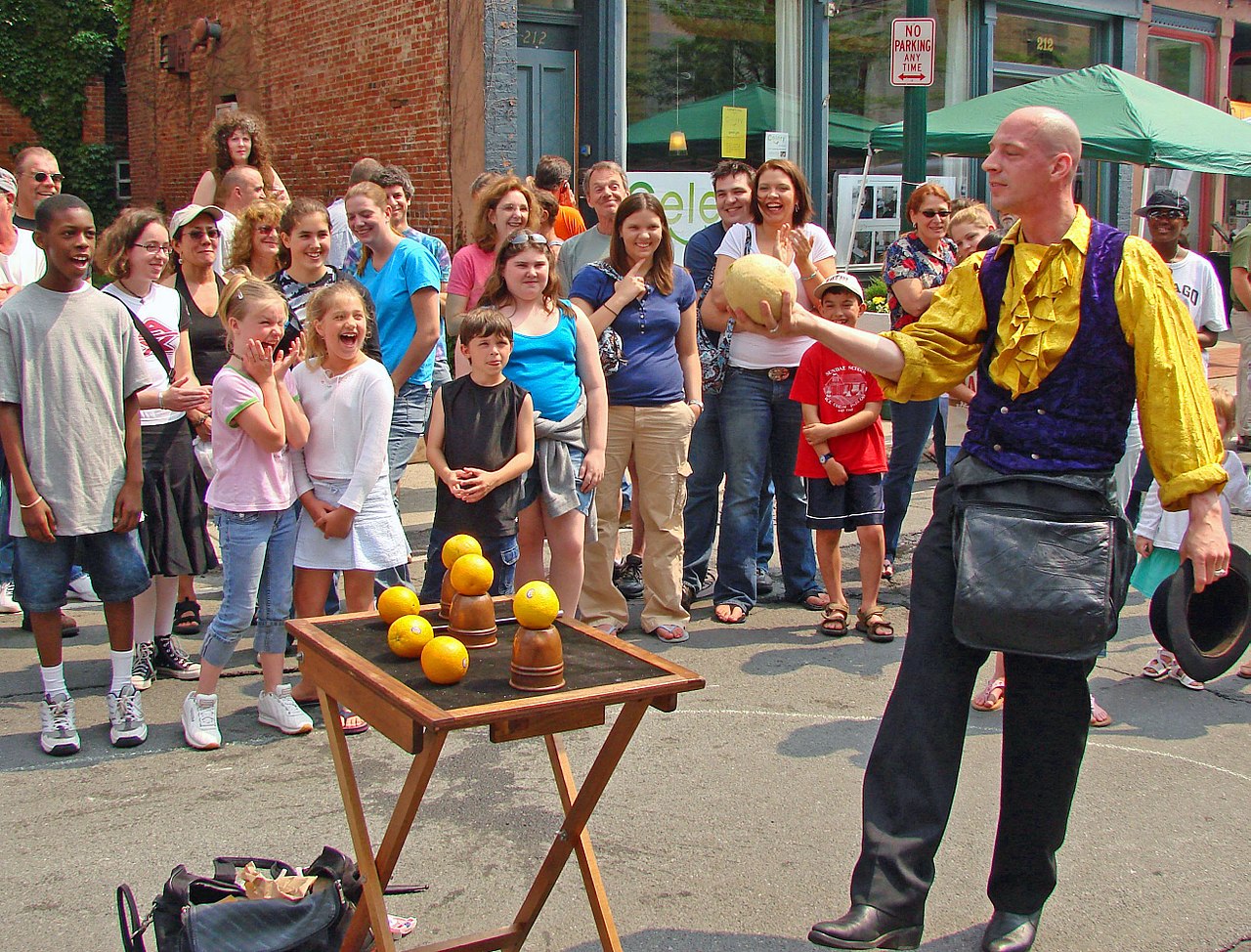


Techniques and components
At its core, magic depends on a handful of principles: sleight of hand (manual dexterity), misdirection (managing attention), timing, gimmicked props and mechanical or optical aids. Mentalism uses suggestion and probability to simulate mind-reading. Stage illusions scale up these methods with larger apparatus and assistants. Resources and tutorials range from historical texts to modern guides; many learners study demonstrations and practice routines found at instructional sources.
History and development
Forms of conjuring and deceptive demonstrations have existed across cultures — from street entertainers and court magicians to ritual performers. The modern public spectacle of magic developed markedly during the 18th and 19th centuries as theatres and music halls offered venues for elaborate illusions. Notable 19th- and 20th-century figures popularized stage shows and escape acts; contemporary magic spans television, theatre and social media. For timelines and notable practitioners, consult curated histories at historical overviews.
Performance contexts and importance
Magic is presented in many formats: close-up table work for small groups, parlor shows for medium audiences, and grand stage illusions for large venues. It is used for entertainment, education, advertising and team-building, and sometimes incorporated into film and theatre. Professional magicians often combine storytelling, comedy and choreography with technical effects. Industry directories and event listings can be found via professional resources.
Common effects
- Card and coin tricks (sleight and forced choices)
- Production and vanishing of objects (pulls, sleeves, trapdoors)
- Metamorphosis, levitation and restoration illusions
- Escapes, mentalism and predictions
Collections of classic routines and modern variations are widely published; sample repertoires and method discussions appear at example repertoires and scholarly treatments at academic or critical studies.
Distinctions, ethics and safety
Magicians distinguish between close-up conjuring and large-scale illusion; mentalists present differently from stage illusionists. Ethical questions include the exposure of methods, safety of dangerous stunts, and the welfare of animals when they appear in acts. Professional communities and teachers typically emphasize respect for audiences and responsible presentation. For codes of conduct and safety guidance, consult professional organizations and manuals linked above.
Related articles
Author
AlegsaOnline.com Magic (illusion) — performance, techniques and history Leandro Alegsa
URL: https://en.alegsaonline.com/art/60593