
Man Ray: American Visual Artist, Photographer, and Surrealist
Man Ray (Emmanuel Radnitzky, 1890–1976) was an American artist best known for experimental photography, photograms called "rayographs," and key contributions to Dada and Surrealist art in Paris.
Man Ray (born Emmanuel Radnitzky; August 27, 1890 – November 18, 1976) was an American visual artist whose work helped shape Dada and Surrealism. Born in Philadelphia, he took the name Man Ray and spent most of his creative life in Paris, while maintaining connections to artistic circles in the United States. He worked across media—photography, painting, film, sculpture and assemblage—and is widely remembered for both commercial portraiture and experimental processes.
Image gallery
10 Images


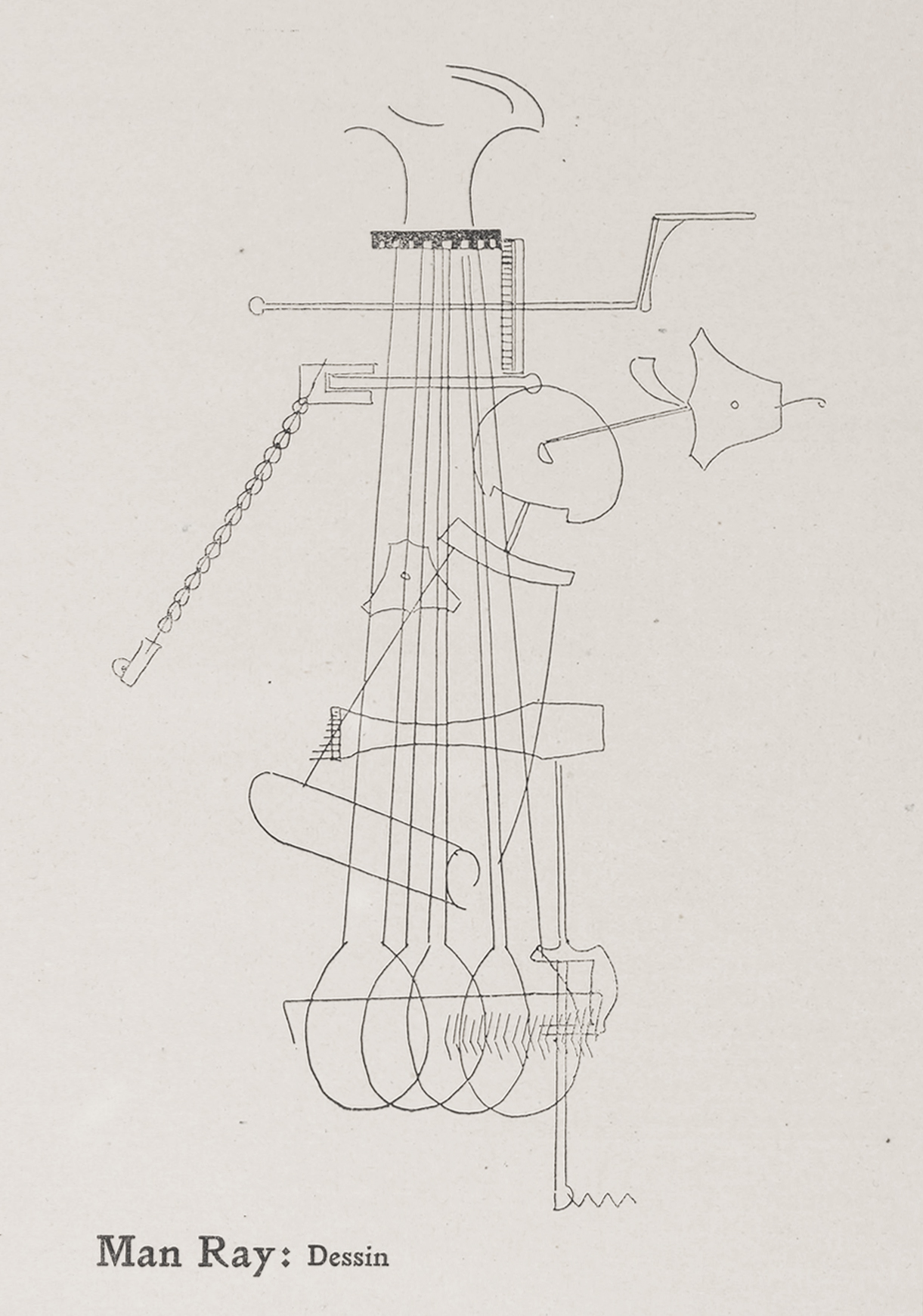


Life and career
After formative years in the United States, Man Ray relocated to Paris in the early 1920s and became a central figure in avant-garde networks. He exhibited with Dadaists and later with Surrealists, collaborating and socializing with poets, painters and filmmakers. Economic necessity led him to a successful career as a portrait and fashion photographer, which in turn financed his more experimental projects. During World War II he returned to the United States for several years; he later resettled in Paris and continued to work until his death in 1976.
Artistic practice and techniques
Man Ray is best known for his photography, but his practice emphasized invention and technique. He popularized cameraless photograms—objects placed on photosensitive paper—to make what he called "rayographs." He also experimented with solarization, multiple exposure, montage and unconventional lighting to produce dreamlike, abstracted images. His approach often blurred the boundary between commercial and avant-garde work: fashion assignments and studio portraits coexisted with surreal still lifes and altered everyday objects.
Major works and themes
Recurring themes in his work include the interplay of light and shadow, the fragmentation and reassembly of the human figure, and a playful use of found objects and readymades. His portraits captured artists, writers and performers of his era with clarity and subtle psychological insight, while his experimental images explored chance, transformation and the unconscious—concerns central to Surrealism.
Film, writings and collaborations
Man Ray produced short experimental films and collaborated with other modernists in multidisciplinary projects. He published essays and reflections on art and techniques, and frequently exchanged ideas with contemporaries across Europe and America. His friendships and collaborations helped disseminate Surrealist aesthetics in photography and design.
Legacy and collections
Man Ray's innovations contributed to the acceptance of photography as an art form and influenced subsequent generations of photographers, filmmakers and conceptual artists. His works are held in museums and private collections worldwide, and his name remains associated with technical inventiveness, wit and the intersection of commercial and experimental practice.
Further reading and resources
- Biography and early years in Philadelphia
- Paris period and studio history
- Man Ray's role in Dada and Surrealism
- Major photographic works and technique overviews
- Fashion and portrait photography aspects
- Rayographs and cameraless processes
Note: This entry summarizes widely known aspects of Man Ray's life and work. For detailed catalogues, exhibition histories and scholarly analysis, consult specialized monographs and museum resources.
Questions and answers
Q: Who was Man Ray?
A: Man Ray was an American visual artist born in Philadelphia.
Q: What was Man Ray's contribution to the Dada and surrealist movements?
A: Man Ray made a significant contribution to the Dada and surrealist movements.
Q: Where did Man Ray spend most of his career?
A: Man Ray spent most of his career in Paris.
Q: What was Man Ray best known for?
A: Man Ray was best known for his photography, and he was a renowned fashion and portrait photographer.
Q: What did Man Ray call his work with photograms?
A: Man Ray called his work with photograms "rayographs" in reference to himself.
Q: When was Man Ray born?
A: Man Ray was born on August 27, 1890.
Q: When did Man Ray pass away?
A: Man Ray passed away on November 18, 1976.
Related articles
Author
AlegsaOnline.com Man Ray: American Visual Artist, Photographer, and Surrealist Leandro Alegsa
URL: https://en.alegsaonline.com/art/61159
Sources
- time.com : "Rayograms by Man Ray"