
Mandala: symbolic circular diagram used in religion, art, and meditation
Mandala — a circular geometric design representing the cosmos, the self, or a sacred space; used in Hindu and Buddhist ritual, meditation, art therapy, and decorative traditions worldwide.
A mandala is a composed image, usually circular, that functions as a symbolic map of a sacred space, the cosmos, or the inner self. As a visual tool it integrates geometry, color, and iconography to guide meditation, ritual action, or artistic expression. Many explanations call it a symbolic map that frames an experience or idea so the viewer can move from the periphery toward a center.
Image gallery
10 Images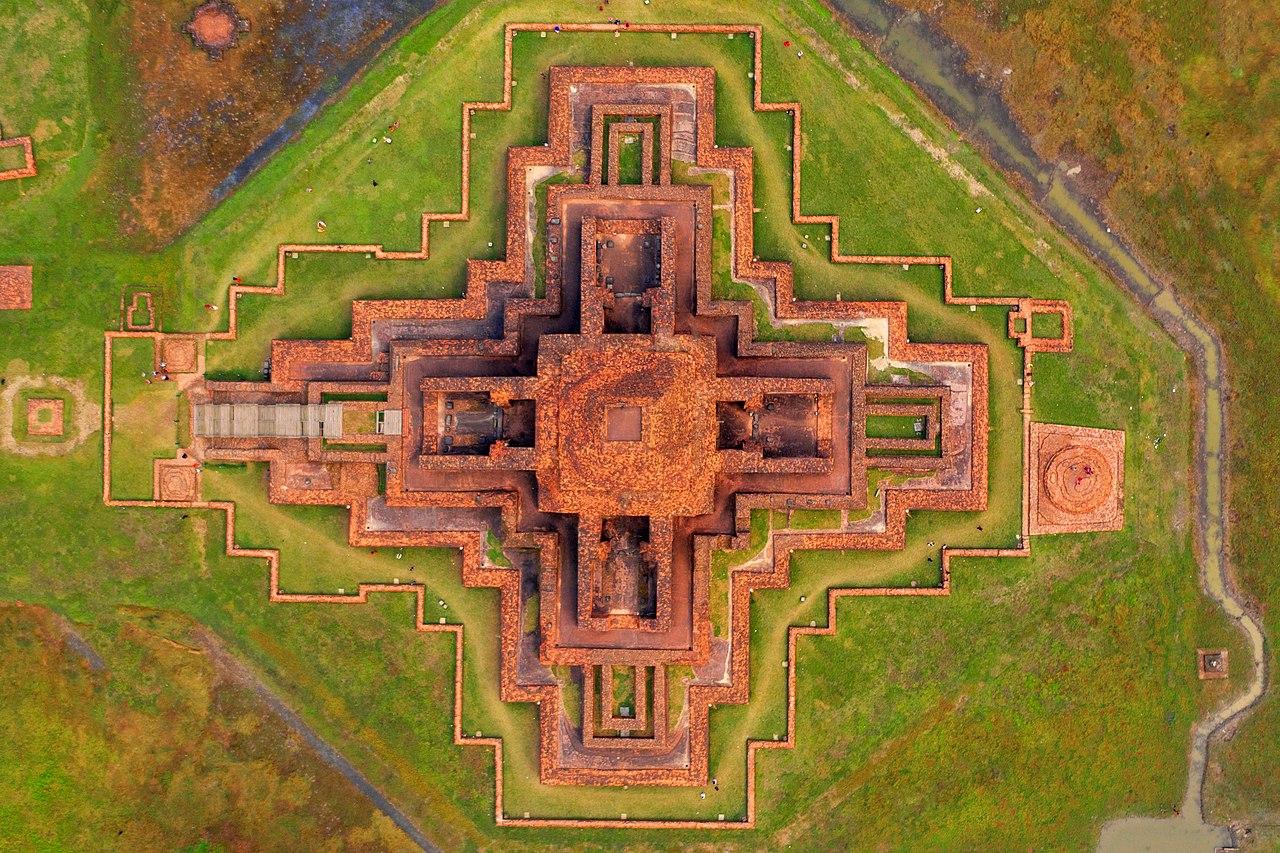



Structure and symbolism
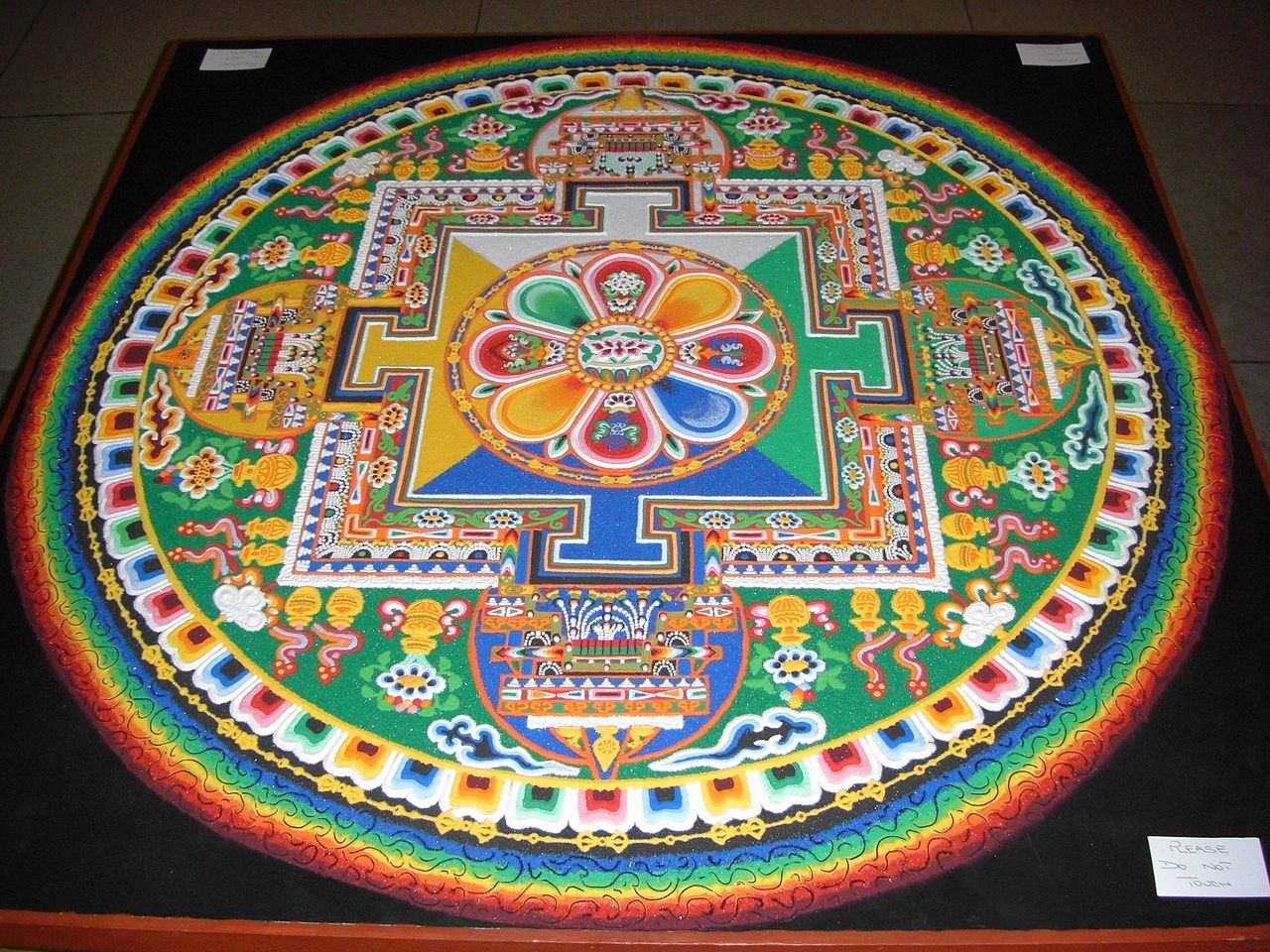
Typical mandalas share some common elements: a central point or seed, concentric rings or layers, directional gates and repeating motifs that establish symmetry. The center often represents a core principle — a deity, the self, or an abstract truth — while outer circles depict realms, protective boundaries, or stages of a spiritual path. In some traditions the image may evoke both masculine and feminine principles, or a relationship between them: for instance an icon at the heart of the design can symbolize either a male or a female aspect of divinity.
History and cultural context
Mandalas appear across Asian religious traditions, most prominently in Hindu and Buddhist practice. The Sanskrit root means "circle" and early examples appear in temple plans, sacred diagrams, and meditation texts. Over centuries the form spread and adapted, functioning in ritual initiation, tantras, and public art. The mandala’s concentric layout is a cross-cultural device for portraying a bounded cosmos or ordered world—an ordered world within a frame.
Uses and examples
- Ritual: consecrated paintings or sand mandalas used in ceremonies to invoke deities, bless spaces, or mark initiations.
- Meditation: practitioners focus on the center or trace a path inward to cultivate concentration and insight.
- Art and therapy: modern art therapy employs mandala drawing to explore emotion and restore balance.
- Design and architecture: radial symmetry and repeating patterns inspired by mandalas appear in windows, gardens, and textile designs.
Variants and notable customs
Forms range from simple painted circles to complex painted thangkas, carved temple plans, and ephemeral Tibetan sand mandalas. A distinctive ritual is the meticulous creation and then ritual destruction of a sand mandala to teach impermanence: after consecration the grains are swept up and dispersed. Related but distinct diagrams include yantras, which emphasize geometric forms for specific rituals; rosette windows and folk circular motifs elsewhere in the world show convergent use of radial order.
Practical considerations
To create a basic personal mandala, choose a center point, draw concentric circles, and add balanced motifs in each segment. Colors and symbols can be chosen to reflect personal intention or traditional associations. Whether devotional, therapeutic, or decorative, mandalas provide a structured way to represent complexity, invite contemplation, and transform a flat surface into a staged inner or cosmic landscape.
Related articles
Author
AlegsaOnline.com Mandala: symbolic circular diagram used in religion, art, and meditation Leandro Alegsa
URL: https://en.alegsaonline.com/art/61225