
Mae West — American actress, playwright, and cultural provocateur
Mae West (1893–1980) was an American entertainer known for vaudeville, risqué stage plays, and Hollywood films. Her bold persona, double entendres, and fights with censorship made her a lasting cultural figure.
Mae West, born Mary Jane West on August 17, 1893 in Brooklyn, New York, became one of the most recognizable entertainment personalities of the 20th century. A performer whose career spanned vaudeville, burlesque, Broadway and Hollywood, she cultivated a blunt, playful persona built on sexual innuendo and sharp one‑liners. Her style and public image provoked controversy while also helping to reshape popular attitudes toward female sexual agency.
Image gallery
10 Images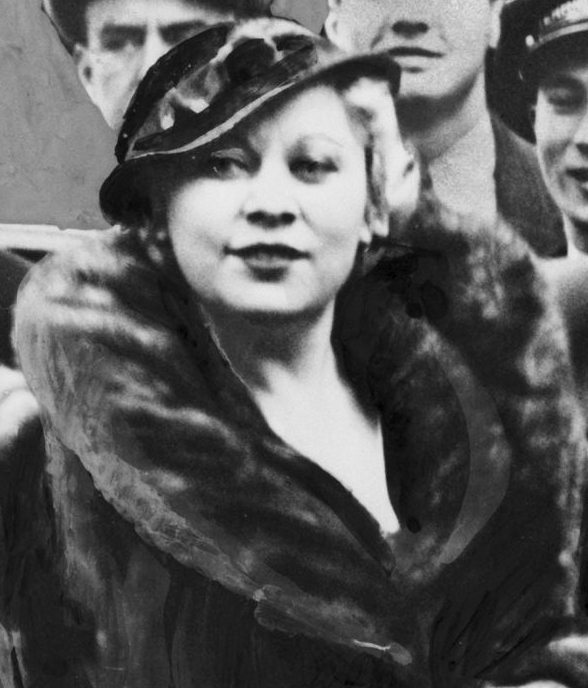



Early life and stage career
Raised in a working‑class family, West started performing as a teenager and found steady work in vaudeville and burlesque circuits. She wrote and starred in her own stage pieces, developing a stage character that combined comic timing with deliberate provocation. Several of her plays challenged prevailing social norms and brought her both large audiences and legal scrutiny. For more on her theatrical beginnings, see biographical notes.
Film career and signature style
In the early 1930s West transitioned to motion pictures, bringing her bawdy humor and authoritative stage presence to a wider audience. Her film persona—confident, flirtatious, and in control—stood in contrast to many contemporary female screen roles. West became known for witty banter and double entendres that often skirted the boundaries of what censors deemed acceptable. A selection of her screen roles and performances can be found at film listings and career retrospectives.
Controversy and censorship
West's work frequently drew the attention of moral guardians and movie censors. She sued conventional ideas about propriety by writing plays with frank sexual themes and by delivering material that some authorities considered indecent. These conflicts helped shape national conversations about censorship, entertainment standards and artistic freedom; contemporary discussions and archival materials are accessible through historical records and censorship case studies.
Legacy and cultural impact
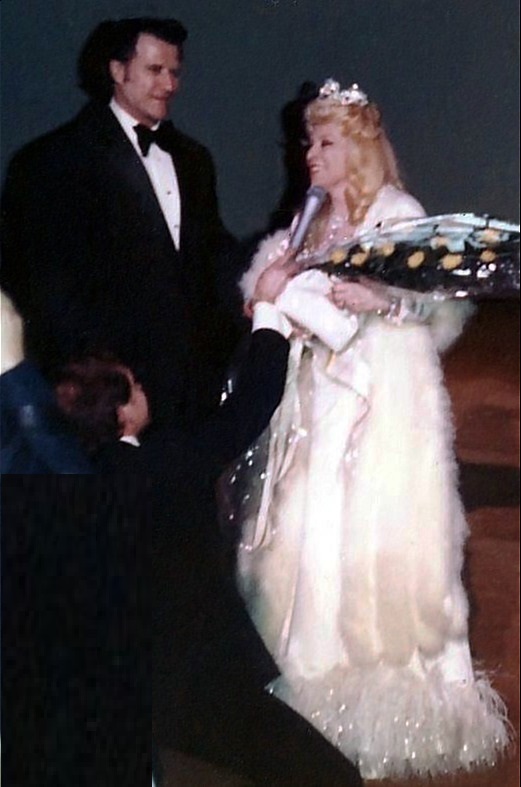
Beyond box office and stage receipts, West left a lasting imprint on popular culture. Her mannerisms, costumes, and aphorisms influenced comedians, songwriters and later generations of performers who adopted elements of her assertive persona. Scholars and critics continue to debate her legacy—some view her as a pioneer of sexual autonomy, others as a figure shaped by the commercial needs of show business. Critical essays and cultural analyses appear at academic sources and media archives.
Selected works and further reading
- Stage plays: early vaudeville pieces and controversial Broadway scripts; see play list.
- Films: a series of 1930s features that brought her national fame; consult filmography for details.
- Interviews and memoirs: later interviews reflect on her long career; collections are available via oral histories.
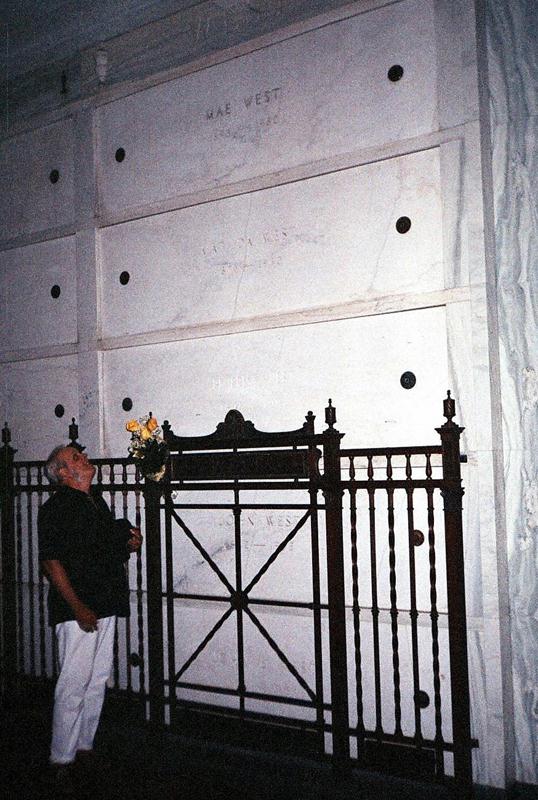
Mae West remained active in entertainment into her later years and died in Hollywood, California, on November 22, 1980. Her life story continues to be a touchstone in discussions of performance, gender, and the boundaries of public taste. For archival images and curated material see archives and museum exhibits.
Related articles
Author
AlegsaOnline.com Mae West — American actress, playwright, and cultural provocateur Leandro Alegsa
URL: https://en.alegsaonline.com/art/60535