
Magdalena Abakanowicz — Polish sculptor and pioneer of textile sculpture
Concise overview of Magdalena Abakanowicz (1930–2017), a Polish sculptor and fiber artist whose Abakans and large figurative installations redefined textile art and public sculpture.
Overview
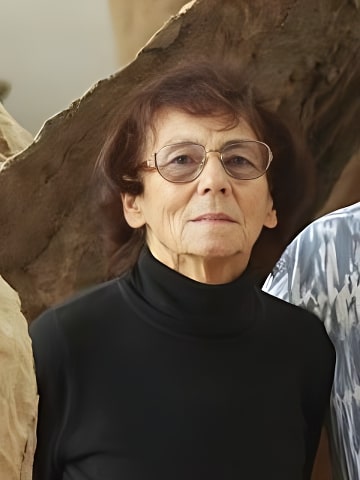
Marta Magdalena Abakanowicz‑Kosmowska (20 June 1930 – 20 April 2017) was a Polish artist best known for transforming textile techniques into large, autonomous sculptural works. Her practice blurred boundaries between craft and contemporary sculpture and brought attention to materials traditionally associated with domestic work. Born in Falenty near Warsaw, she lived and worked primarily in Poland throughout her career, while also gaining international recognition and commissions.
Image gallery
8 Images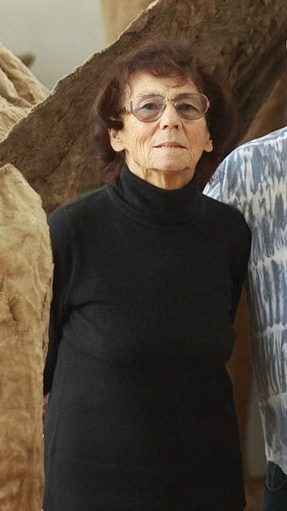



Early life and training
Abakanowicz trained in the visual arts in postwar Poland and developed a command of weaving and three‑dimensional construction that informed her later experiments. Early work engaged traditional textile methods, which she expanded into new scales and forms, treating fiber, burlap and sisal as structural, rather than merely decorative, materials.
Artistic approach and major works
She first achieved wide attention with a series of monumental woven pieces known as the "Abakans": suspended, voluminous constructions that challenged the expectations of both tapestry and sculpture. These works emphasized process, surface and the physical presence of materials. Over subsequent decades Abakanowicz translated many of the same concerns into more durable media—bronze, concrete and iron—while retaining a focus on the human figure as a motif.
- Abakans: large, immersive woven sculptures that helped redefine textiles as a sculptural medium.
- Figurative ensembles: groups of anonymous, often headless figures that explore individuality, anonymity and collective identity; these works appear in indoor exhibitions and in public settings as installations.
Teaching and professional activity
Abakanowicz combined studio practice with teaching. From 1965 to 1990 she was a professor at the Academy of Fine Arts in Poznań, where she influenced generations of artists. She also held visiting appointments abroad, including a term as visiting professor at University of California, Los Angeles in 1984, and she exhibited widely across Europe and North America.
Themes, reception and legacy
Critics and historians read her work as engaging postwar memory, the fragility of the individual, and the collective conditions of modern life. Her repeated use of the headless human form became a potent symbol of depersonalization and shared experience. Although often described succinctly as a sculptor, her interdisciplinary practice helped expand the institutional understanding of fiber art and public sculpture.
Collections and later life
Major museums and public collections in Poland and abroad hold examples of her work, and several large‑scale public installations bring her themes into urban settings. Abakanowicz died in Warsaw in 2017; her work continues to be studied, conserved and shown in retrospectives and public displays, and it remains central to discussions of materiality, memory and the politics of presence in contemporary art.
Related articles
Author
AlegsaOnline.com Magdalena Abakanowicz — Polish sculptor and pioneer of textile sculpture Leandro Alegsa
URL: https://en.alegsaonline.com/art/60564
Sources
- culture.pl : Magdalena Abakanowicz