
Macaronesia (Atlantic island groups)
Macaronesia is a collective name for several North Atlantic volcanic archipelagos — the Azores, Madeira, the Canary Islands and Cape Verde — noted for unique flora, volcanic landscapes and varied climates.
Macaronesia is the modern term for four principal groups of islands in the North Atlantic: the Azores, Madeira (including the Savage Islands), the Canary Islands and Cape Verde. These archipelagos share a volcanic origin and many ecological traits, yet they differ in climate, human history and political administration. The name is derived from Greek meaning "islands of the fortunate," and it is used mainly in biogeography, geology and conservation contexts.
Image gallery
5 Images


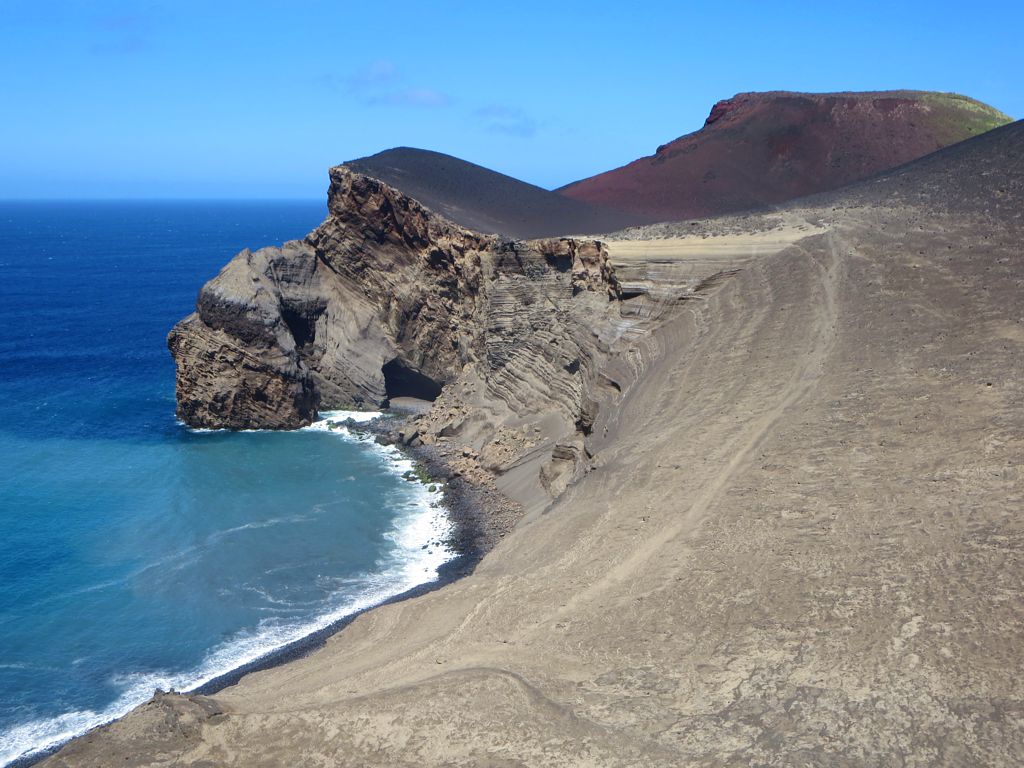

Geography and geology
The islands rise from the Atlantic seafloor as volcanic chains. Their origin is linked to hotspots and tectonic processes that produced successive eruptions and builds of volcanic rock; this volcanic heritage shapes dramatic coastlines, calderas and lava fields. Macaronesia lies in the Atlantic Ocean off the coasts of Europe and Africa, and their volcanic character is often emphasized in geological descriptions (volcanic origin).
Island groups and administration
- Azores — an autonomous region of Portugal.
- Madeira (and nearby islets) — another Portuguese autonomous region (Portugal).
- Canary Islands — an autonomous community of Spain.
- Cape Verde (Cabo Verde) — an independent island nation on its own archipelago (Cape Verde).
Administratively the archipelagos are split between three countries, which affects conservation policy, tourism infrastructure and regional economies. Distances between the groups mean they host distinct climates and ecosystems despite shared origins.
Ecology and importance
Macaronesia is notable for high levels of endemism: many plants and animals evolved in isolation, including laurel forests (laurisilva), specialized insects and bird populations. Some islands contain protected reserves and sites recognized for their natural value. The combination of mild oceanic climates, steep topography and ancient soils produces habitats not found on nearby continents.
Human uses include agriculture (wine grapes, bananas and other crops in sheltered valleys), fisheries and a substantial tourism sector driven by beaches, hiking and volcanic scenery. Islands also play roles in maritime navigation and as stops for transatlantic flights and shipping.
Distinctive features and conservation
Despite a shared label, the archipelagos differ markedly: the Azores are cooler and wetter; the Canaries are subtropical with strong elevational zonation; Madeira is famed for its laurel forests; Cape Verde is more arid and wind-exposed. These contrasts make Macaronesia a useful concept for comparing island biogeography and for coordinating conservation efforts across national boundaries.
Many species remain vulnerable to habitat loss, invasive species and climate change. Conservation action combines local protected areas, scientific research and international cooperation to preserve the islands' distinctive natural heritage.
Related articles
Author
AlegsaOnline.com Macaronesia (Atlantic island groups) Leandro Alegsa
URL: https://en.alegsaonline.com/art/60272