
Macedonia: region, historical kingdom, and modern identities
Macedonia denotes an ancient kingdom, a Balkan region shared by several countries, and contemporary political and cultural identities. This article outlines its history, geography, languages, and cultural significance.
Overview
Macedonia is a multifaceted term used for an ancient kingdom, a geographic region in southeastern Europe, and a set of modern political and cultural identities. Depending on context, it can mean the ancient Macedonian state centered in the northern Aegean, the broader historical and geographic area in the central Balkans, or contemporary administrative and national entities.
Image gallery
1 Image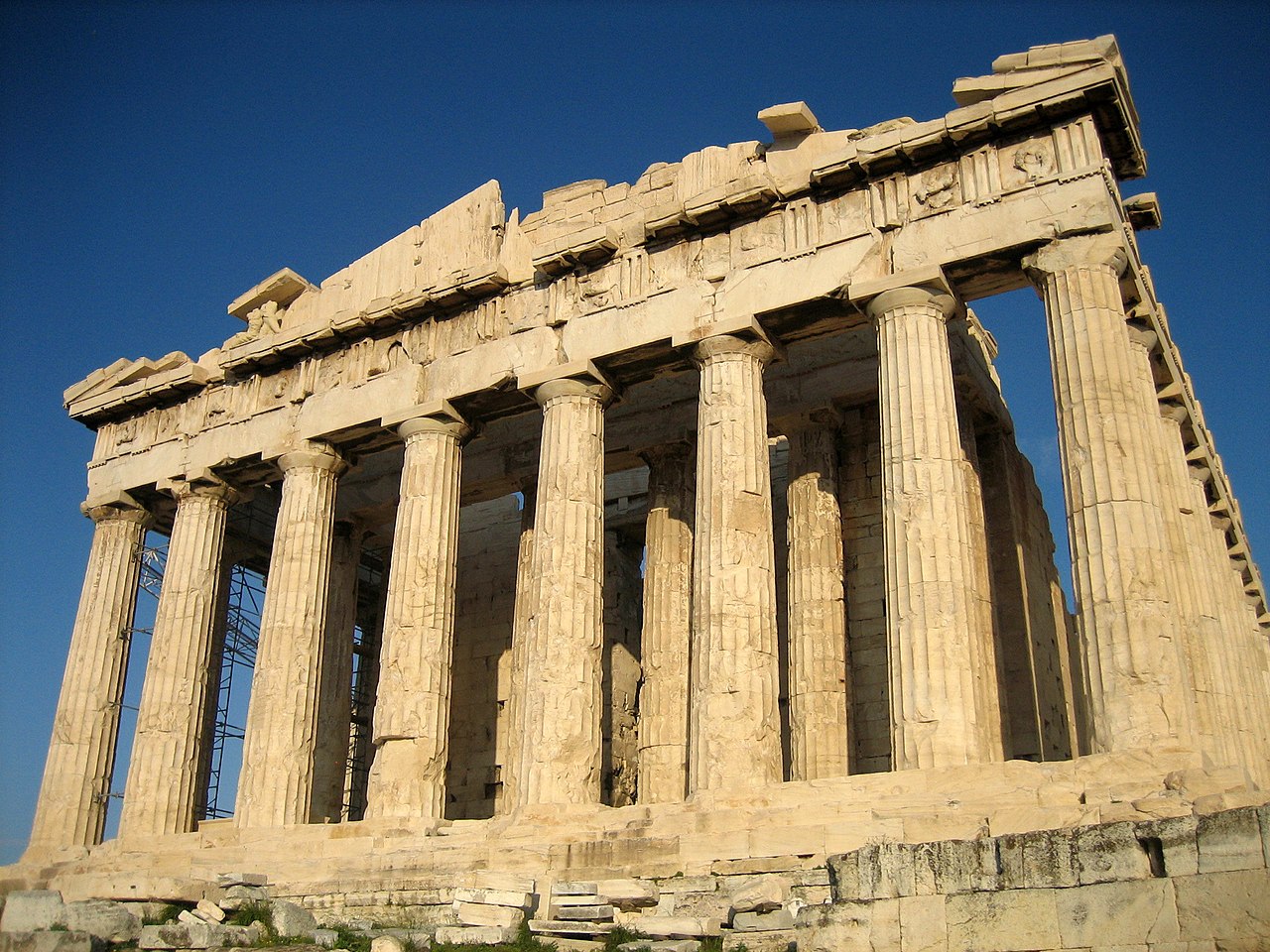
Historical background
The name is most familiar from the Kingdom of Macedon, which rose to prominence in the 4th century BCE under rulers such as Philip II and Alexander the Great. The kingdom expanded across the eastern Mediterranean and into Asia, leaving a significant political and cultural legacy. Over subsequent centuries the area passed through Roman, Byzantine and Ottoman rule, each leaving layers of settlement, institutions and material culture.
Modern geography and political divisions
Today the geographic region called Macedonia is divided among several states. Major parts lie in:
- Greece (often referred to by administrative units such as Central, Western and Eastern Macedonia)
- North Macedonia, the independent republic formed after Yugoslavia dissolved in 1991 and renamed in 2019 following an agreement with Greece
- Bulgaria (commonly called Pirin Macedonia in Bulgarian usage)
- smaller portions in Albania and Serbia
Language, identity and dispute
The word 'Macedonian' can denote different languages and identities. The modern Macedonian language is a South Slavic language spoken in the Republic of North Macedonia and by communities abroad. In Greece, people from the region may identify as Greek Macedonians and speak Greek dialects. Debates over historical continuity, naming and cultural heritage have been politically sensitive, and terminology often depends on national and scholarly context.
Culture, archaeology and cuisine
The region is rich in archaeological sites such as ancient capitals and tombs, and in traditional folk music, dance and crafts. Local cuisines blend Balkan and Mediterranean influences; in some languages 'Macedonia' also refers to a mixed fruit salad. Museums and excavations preserve artifacts from classical and later periods, attracting scholarly and tourist interest.
Notable points and usage
When using the term Macedonia it is helpful to specify whether one means the ancient kingdom, the broader historical region, the Greek administrative areas, or the modern state of North Macedonia. This clarifies historical, linguistic and political references and reflects the complex, shared heritage of the central Balkans.
Related articles
Author
AlegsaOnline.com Macedonia: region, historical kingdom, and modern identities Leandro Alegsa
URL: https://en.alegsaonline.com/art/60307