
Mac OS X Lion (10.7): overview, features and legacy
Mac OS X Lion (10.7) is Apple’s eighth major Mac OS release (2011). It introduced iOS-inspired features—Launchpad, Mission Control, full‑screen apps, Auto Save—and was distributed through the Mac App Store.
Overview
Mac OS X Lion is the eighth major release in Apple’s Mac OS X line, officially version 10.7. Designed for Apple desktop and portable computers, Lion emphasized a closer relationship with Apple’s mobile platform by adapting successful ideas from Apple's iOS family. It targeted Macintosh users on both desktops and laptops, and it was also available in a server-oriented variant for administrators of servers. The operating system was publicly unveiled during Apple’s "Back to the Mac" event and released to customers on July 20, 2011, primarily via the Mac App Store.
Image gallery
3 Images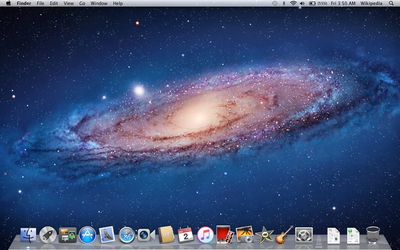


Key characteristics and components
Lion introduced a set of interface, system and application-level changes that brought the Mac closer to the touch-first patterns popularized by the iPhone and iPad. Notable additions included:
- Launchpad — an iOS-like home screen for launching apps.
- Mission Control — a unified view combining Exposé, Spaces and full-screen apps.
- Full-screen apps — native support for single-app immersive windows.
- Auto Save and Versions — automatic document saving with a history of revisions.
- Resume — apps and the system restore their previous state after logout or reboot.
- AirDrop and multi-touch gestures — simplified file sharing and gesture-driven navigation.
History and distribution
Lion was announced in October 2010 and released mid-2011. It marked a shift in how Apple distributed Mac upgrades by relying heavily on digital delivery through the App Store, making it easier for customers to download and install the update without physical media. That distribution model influenced subsequent macOS releases and how third-party software is delivered to Mac users.
Uses, importance and legacy
For everyday users and professionals, Lion represented a transitional release: it preserved the desktop metaphor while importing conveniences and workflow patterns from mobile devices. Features such as Versions, Auto Save and full-screen support changed how people worked with documents and multitasked. As an architectural and design milestone, Lion set direction for later releases by showing how desktop and mobile paradigms could converge without abandoning traditional Mac capabilities.
Notable distinctions
Compared with its predecessor, Mac OS X 10.6 Snow Leopard, Lion focused less on under-the-hood optimizations and more on user-facing changes and new app behaviors. It also established distribution via the App Store as a mainstream option for major system upgrades. While some users welcomed the added convenience and new features, others noted that the changes required time to adapt, particularly for workflows that relied on multiple overlapping windows and custom window management.
Related articles
Author
AlegsaOnline.com Mac OS X Lion (10.7): overview, features and legacy Leandro Alegsa
URL: https://en.alegsaonline.com/art/60262
Sources
- coolest-gadgets.com : "Apple Mac OS X Lion released » Coolest Gadgets"
- apple.com : "macOS - What is macOS"
- appleinsider.com : "Apple's new Mac App Store coming to Snow Leopard within 90 days"
- appleinsider.com : Apple Insider
- apple.com : "Apple Introduces iMovie 2"