
Mac Pro — Apple’s high-end professional workstation computer
Mac Pro is Apple’s modular, high-performance workstation line for professional workflows. It has evolved from Intel Xeon-based towers to Apple silicon designs, prioritizing expandability, multi-core performance, and I/O.
Overview
The Mac Pro is Apple’s top-tier desktop computer family aimed at professional users who need sustained performance, large memory capacity and flexible expansion. Historically marketed as a workstation-class system, the Mac Pro has been positioned alongside other Apple desktop models in the Macintosh range. Over successive generations Apple has balanced raw CPU and GPU performance with different approaches to thermal design and user upgradeability.
Image gallery
7 Images




Design, components and characteristics
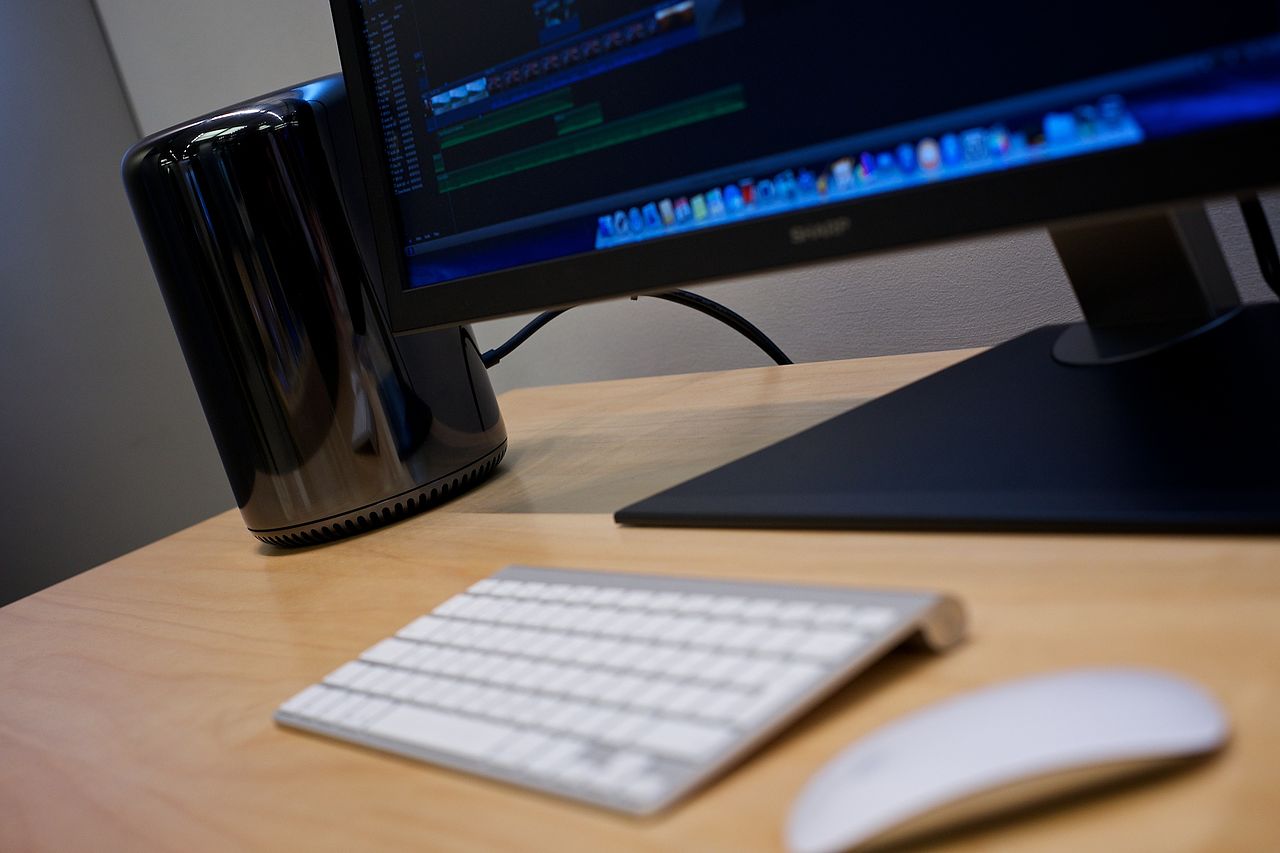
Mac Pro models have differed substantially in external form and internal layout, but they share several goals: support for high-performance processors, large amounts of memory, fast storage, and high-bandwidth input/output. Typical characteristics include multiple processor cores, support for professional-grade graphics, numerous PCIe expansion slots (or alternative expansion architectures), and multiple Thunderbolt and network ports. Some models emphasize serviceability and internal upgrade options, while other generations prioritized compactness and integrated thermal systems.
- Processors: Historically based on Intel Xeon server-class chips and, more recently, on Apple silicon designs.
- Memory and storage: Configurable with large amounts of RAM and fast NVMe storage to meet demanding workloads.
- Expansion and I/O: Towers have provided PCIe slots and drive bays; compact models have used external expansion via Thunderbolt or proprietary modules.
- Cooling and chassis: Designs range from traditional tower ventilation to densely packed cylindrical and redesigned enclosures optimized for airflow.
History and development
The first Mac Pro appeared in 2006 as Apple transitioned the Macintosh line from PowerPC processors to Intel chips; that model replaced the Power Mac G5 series. Subsequent years saw multiple redesigns: Apple introduced very compact designs that traded internal expandability for a smaller footprint, then later returned to larger, more serviceable towers for users who needed internal PCIe expansion. Apple announced significant updates and platform transitions at events such as the Worldwide Developers Conference, and over time moved the Mac line from Intel processors toward its own Apple silicon architecture.
Key milestones include the initial Intel-based Mac Pro release, later compact and radical waveform redesigns that affected upgradeability, and a move back to modular towers for professional flexibility. In recent years Apple has begun supplying Mac Pro options based on its ARM-derived, system-on-chip silicon, reflecting the broader company transition from Intel.
Typical uses and target users
Mac Pro systems are used where single-machine throughput, reliability and expandability matter: film and video editing, 3D rendering, audio production, scientific computing, software development for large codebases and high-performance visualization. Professionals value the Mac Pro for its ability to accept high-end GPUs or accelerator cards, large memory footprints, and fast, high-capacity storage arrays. For many workflows the Mac Pro is the preferred choice when a laptop or compact desktop cannot deliver the necessary sustained performance.
How the Mac Pro relates to other Apple desktops
Within Apple’s desktop family the Mac Pro sits above models such as the iMac and Mac mini in terms of expandability and peak performance. The iMac integrates display and computer into a single enclosure for general professional and consumer use, while the Mac mini targets compact and entry-level desktop needs. The Mac Pro targets pro users who need workstation-class features and upgrade paths.
Further notes and references
Because Apple has released several very different Mac Pro generations, buyers should compare the specific model year and configuration to ensure it meets needs for upgradability, processor architecture and peripheral compatibility. For historical context and technical specifications see official product materials and developer resources linked by Apple and event pages where new models were introduced.
Related topics and resources: workstation computer, desktop computer, Apple Inc., Apple Macintosh, Intel, Xeon, microprocessors, iMac, WWDC.
Related articles
Author
AlegsaOnline.com Mac Pro — Apple’s high-end professional workstation computer Leandro Alegsa
URL: https://en.alegsaonline.com/art/60266