
Mac OS — Apple's operating system for Macintosh computers
Mac OS (now macOS) is the family of operating systems created by Apple for Macintosh computers, known for its graphical user interface, Unix foundations, and close integration with Apple hardware and services.
Mac OS, today commonly referred to as macOS, is the family of operating systems developed by Apple Inc. for its Macintosh line of computers. Designed to manage hardware, provide a graphical user interface, and run applications, macOS emphasizes a polished user experience, tight hardware–software integration, and compatibility with Apple's broader ecosystem. For background on the Macintosh family, see the Apple computer overview: Macintosh computers.
Image gallery
10 Images



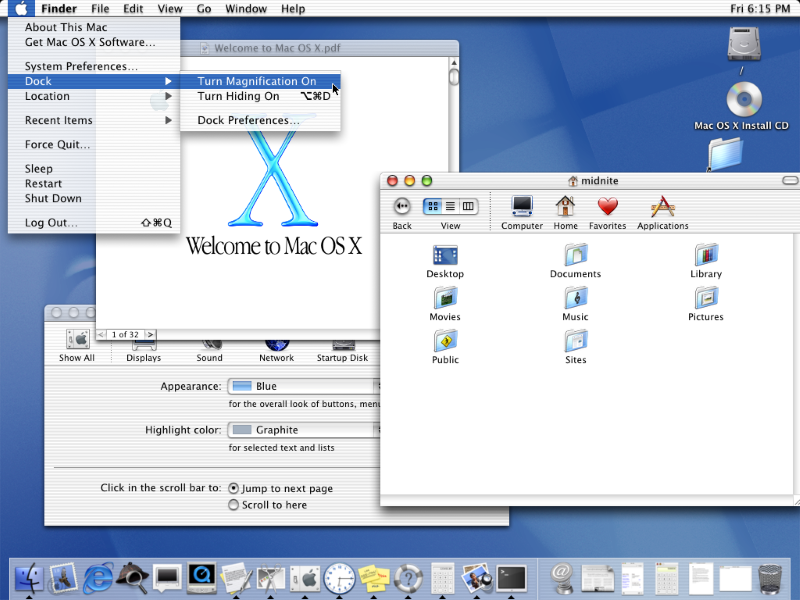
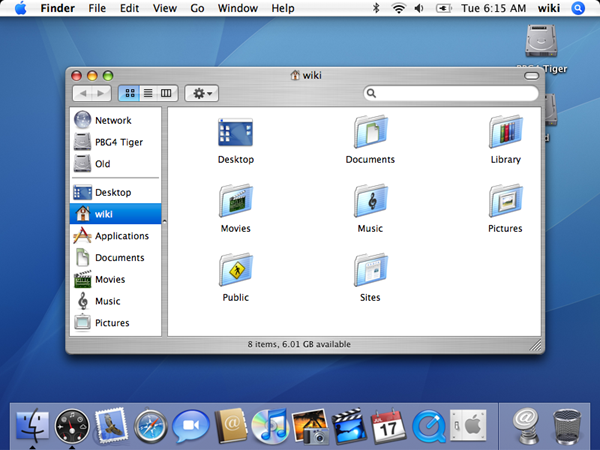

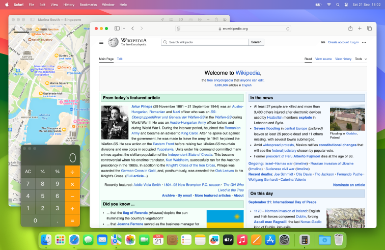

Characteristics and technical overview
Modern macOS combines a graphical shell (Aqua) with a Unix-derived core (the XNU kernel), offering POSIX-compatible APIs and a large developer toolset. Key visible components include the Finder (file management), the Dock (application launcher and switcher), and system services such as Spotlight search, system preferences, and a tight graphics and media stack. Apple has evolved its file systems and security features over time, introducing APFS (Apple File System) and security mechanisms like sandboxing and system integrity protections.
History and development
The operating system that shipped with the first Macintosh in 1984 began as "System Software" (often called System). Over decades it evolved through the classic Mac OS era, then into a major architectural shift with the release of Mac OS X (pronounced "ten") in 2001, which brought a Unix-based foundation, modern memory management, and preemptive multitasking. Apple later rebranded the platform to macOS to align naming with its other platforms.
Versions, transitions, and compatibility
Apple has staged several major platform transitions: the move from Motorola 68k to PowerPC in the 1990s, the shift from PowerPC to Intel processors in 2006, and the recent transition from Intel to Apple silicon (ARM-based) beginning in 2020. To ease transitions, Apple provided compatibility layers at different times (the Classic environment for older Mac OS apps, and Rosetta/Rosetta 2 for binary translation during processor changes).
Uses, ecosystem, and software
macOS is widely used for desktop and laptop computing, popular among creative professionals, developers, and general consumers who benefit from integration with iOS, iPadOS, and Apple services such as iCloud, AirPlay, and continuity features. Apple distributes developer tools like Xcode and maintains an App Store for application distribution. For information about Mac models and accessories, see the Macintosh product information: Mac models and hardware.
Notable distinctions
- Graphical heritage: one of the earliest mainstream systems to emphasize a desktop metaphor and direct-manipulation interface.
- Unix lineage: macOS combines a user-friendly GUI with a robust, standards-based core suited to development and server tasks.
- Platform integration: tight ties to Apple services and continuity across devices distinguish it from other desktop operating systems.
For more technical reference and resources about development and system features, consult Apple's developer and support materials: Apple developer and support.
Related articles
Author
AlegsaOnline.com Mac OS — Apple's operating system for Macintosh computers Leandro Alegsa
URL: https://en.alegsaonline.com/art/60265
Sources
- marketshare.hitslink.com : Operating System Market Share, November 2012