
Maß (Mass): traditional German beer measure
Maß — a traditional German liquid measure once ≈1.069 litres, now commonly the one-litre beer mug (Maß) used at Oktoberfest, beer gardens and in Bavarian beer culture.
Overview
The term Maß (older English: Mass) denotes a traditional German unit for measuring liquids and, by extension, the large beer mug that holds that quantity. Historically the Maß varied by region and era, but it has long been associated with serving beer. In modern usage, especially in Bavaria, the word commonly means the one‑litre beer portion served in a hefty glass or stein.
Image gallery
4 Images


Meaning and measurement
Literally translated the German word is often rendered as "mass", but in practice it referred to a unit of measurement for liquids. Historical records and local standards give different values for a Maß; a widely cited traditional value is approximately 1.069 litres. After metrication and standardization, the popular festival Maß is rounded to one litre for convenience and consistency.
Forms, vessels and materials
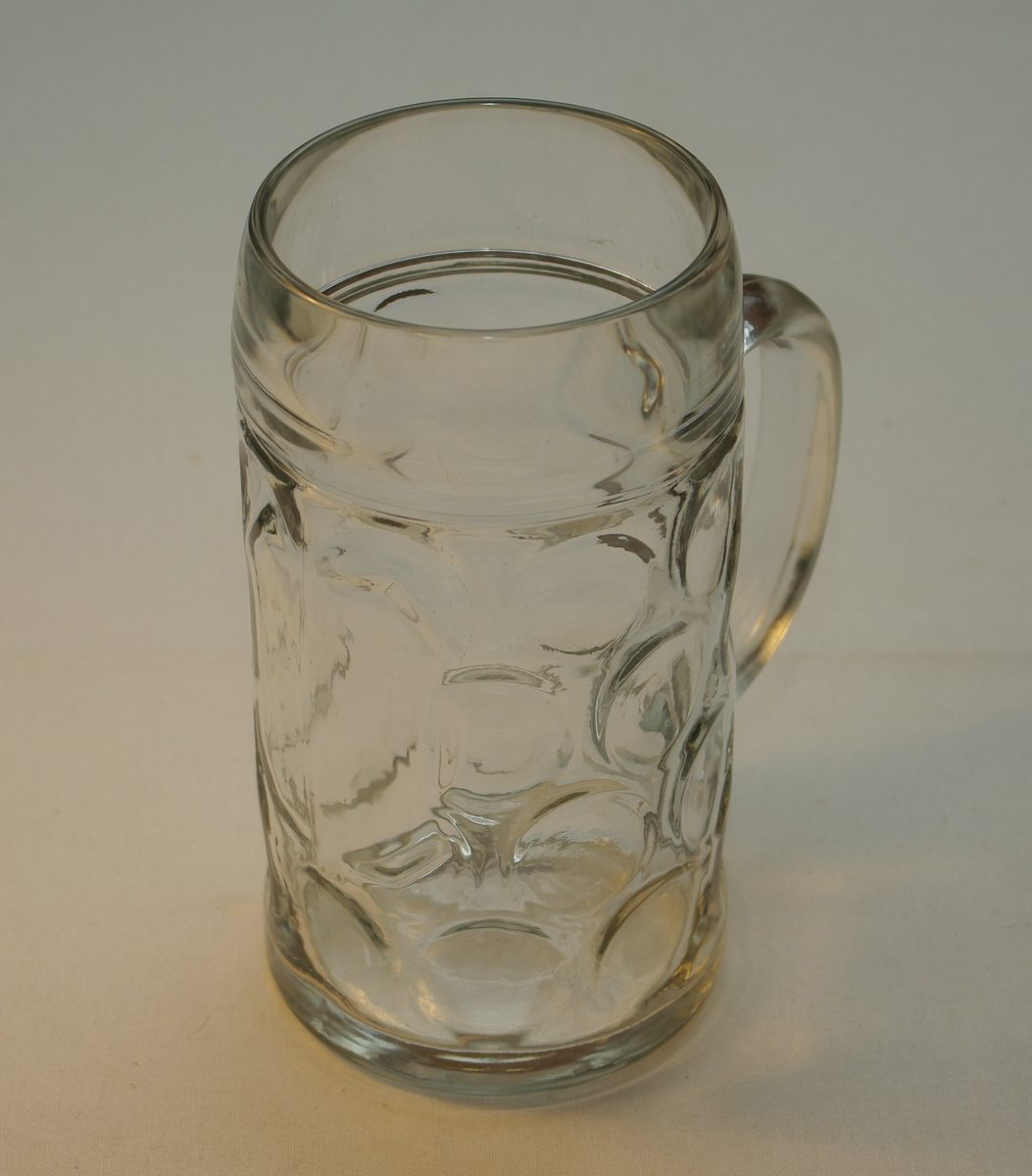
The vessel used to serve a Maß is called a Maßkrug or simply a Maß. Traditional beer vessels were often ceramic or stoneware; many older examples were made of clay or fired earthenware. From the 19th and into the 20th century, manufacturers increasingly produced glass versions, and today most festival and pub Maßkrüge are thick-walled glass mugs that display the beer’s color and foam.
Customs and contemporary use
In Germany a variety of beer sizes coexist: smaller servings such as 0.2 or 0.3 litre glasses and the common 0.5 litre half-litre are typical in many places. The Maß — as a one‑litre serving — remains particularly associated with large gatherings, beer halls and fairs. It is emblematic of events like Oktoberfest, where servers carry rows of filled Maßkrüge and patrons share communal tables.
Historical and cultural notes
Regional units of measure were common across the German-speaking lands before metrication, so the exact size of a Maß could differ from town to town. Over time the practical association with beer shaped the word’s meaning: today many Germans understand Maß primarily as the sizeable beer portion rather than as a general liquid unit. The drinkware itself is collectible and sometimes decorative, and it figures in imagery of Bavarian and German beer culture.
Where to learn more
- General history of measurement units: measurement references
- Liquids and volume in historical context: liquid measures
- Literal linguistics and translations: translation note
- Traditional litre equivalents: 1.069 litre
- Beer culture and serving sizes: beer
- Festivals where the Maß is prominent: Oktoberfest
- Types of beer mugs (Maßkrug): maßkrug
- Material traditions — clay and stoneware: clay
- Modern glassware variations: glass
Related articles
Author
AlegsaOnline.com Maß (Mass): traditional German beer measure Leandro Alegsa
URL: https://en.alegsaonline.com/art/60236