
Physical Measurement and Units: Systems, Standards, and SI Definitions
Overview of physical measurement and units: how systems and standards—including SI definitions, metric and imperial traditions—ensure consistent, reproducible quantities like the metre
Standards let people give the same meaning to numbers that come from measuring. The act of measurement assigns numbers to a physical quantity so that size, temperature, mass and other attributes can be compared and communicated.
Image gallery
4 Images
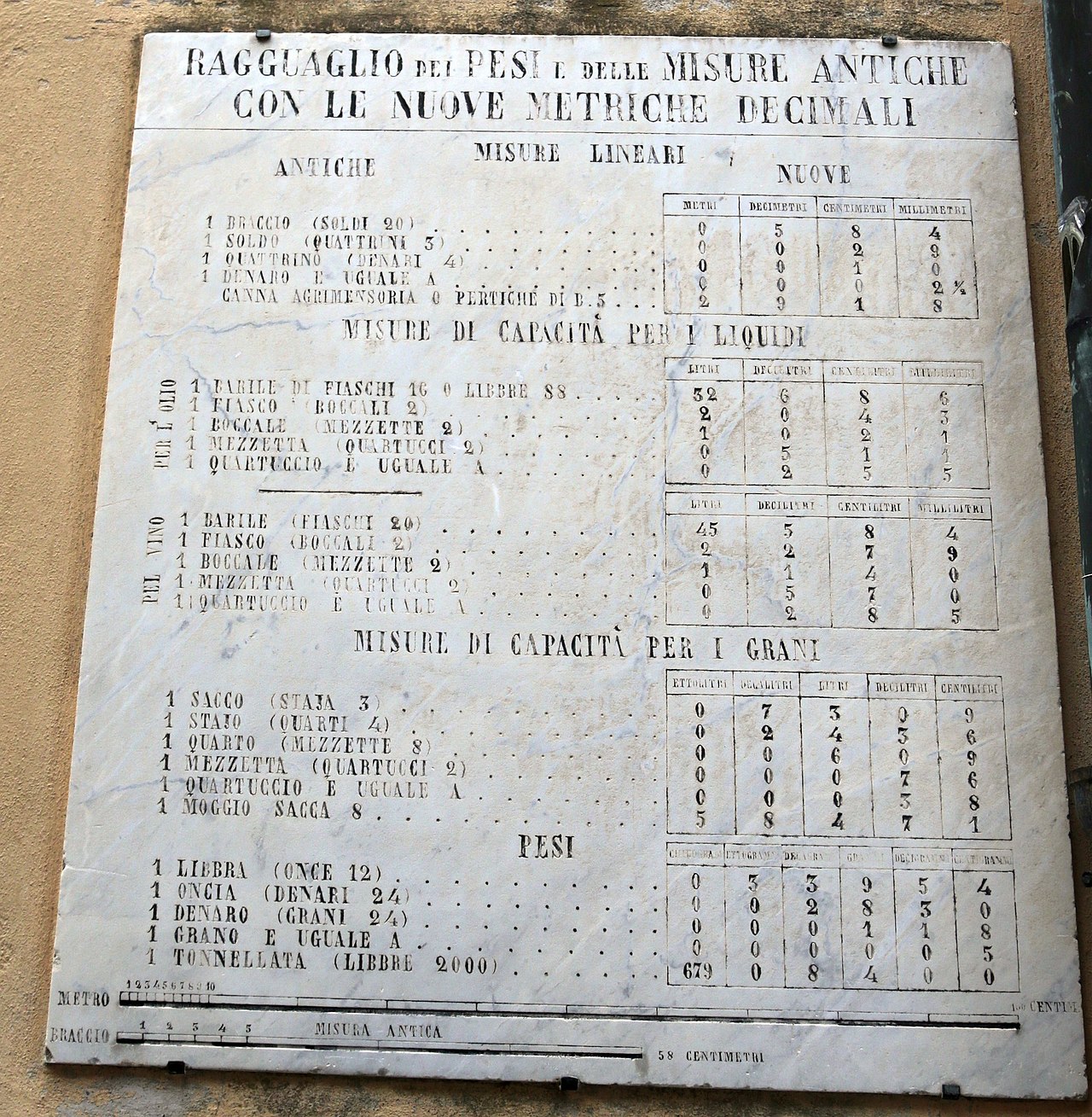
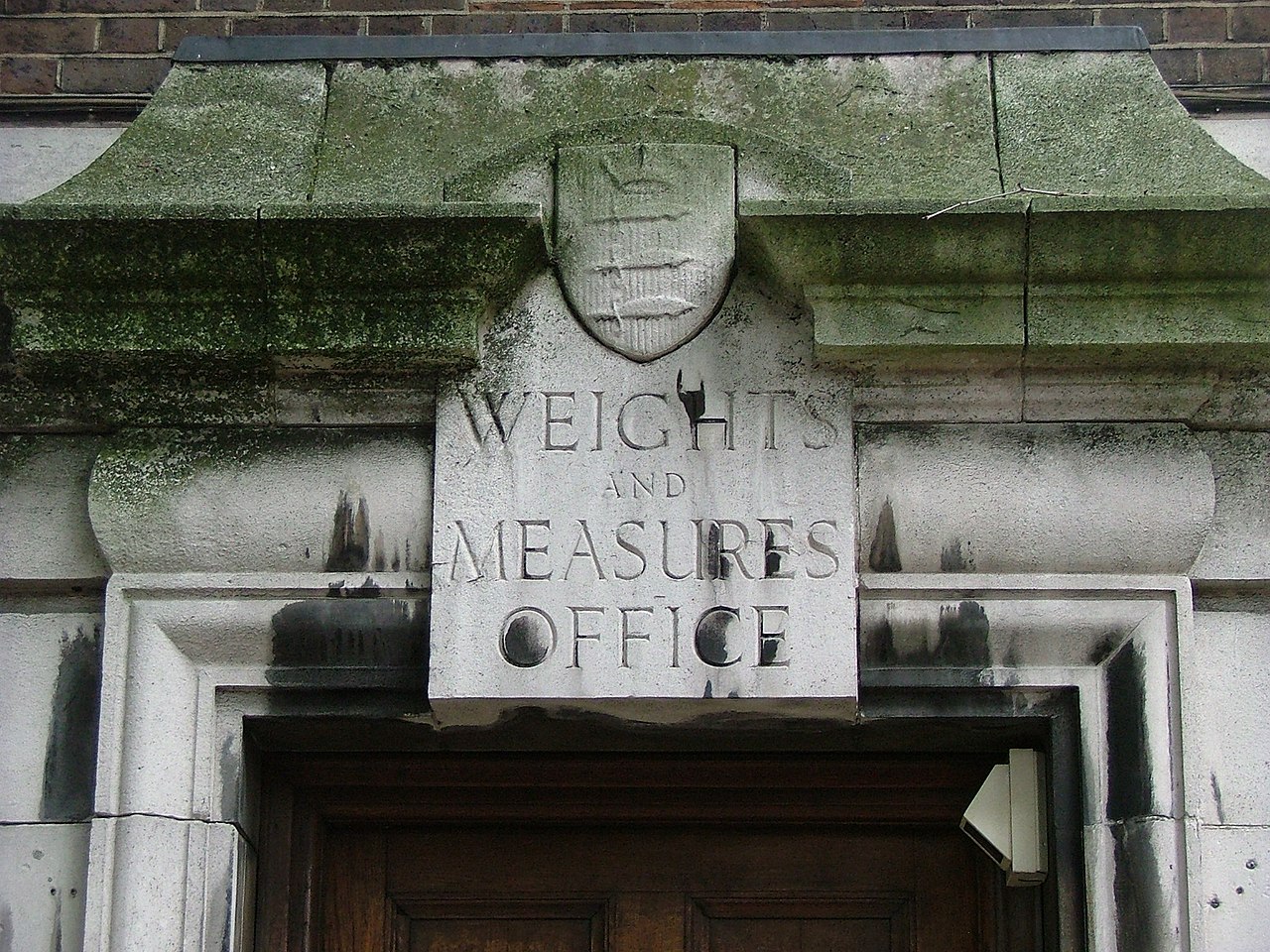
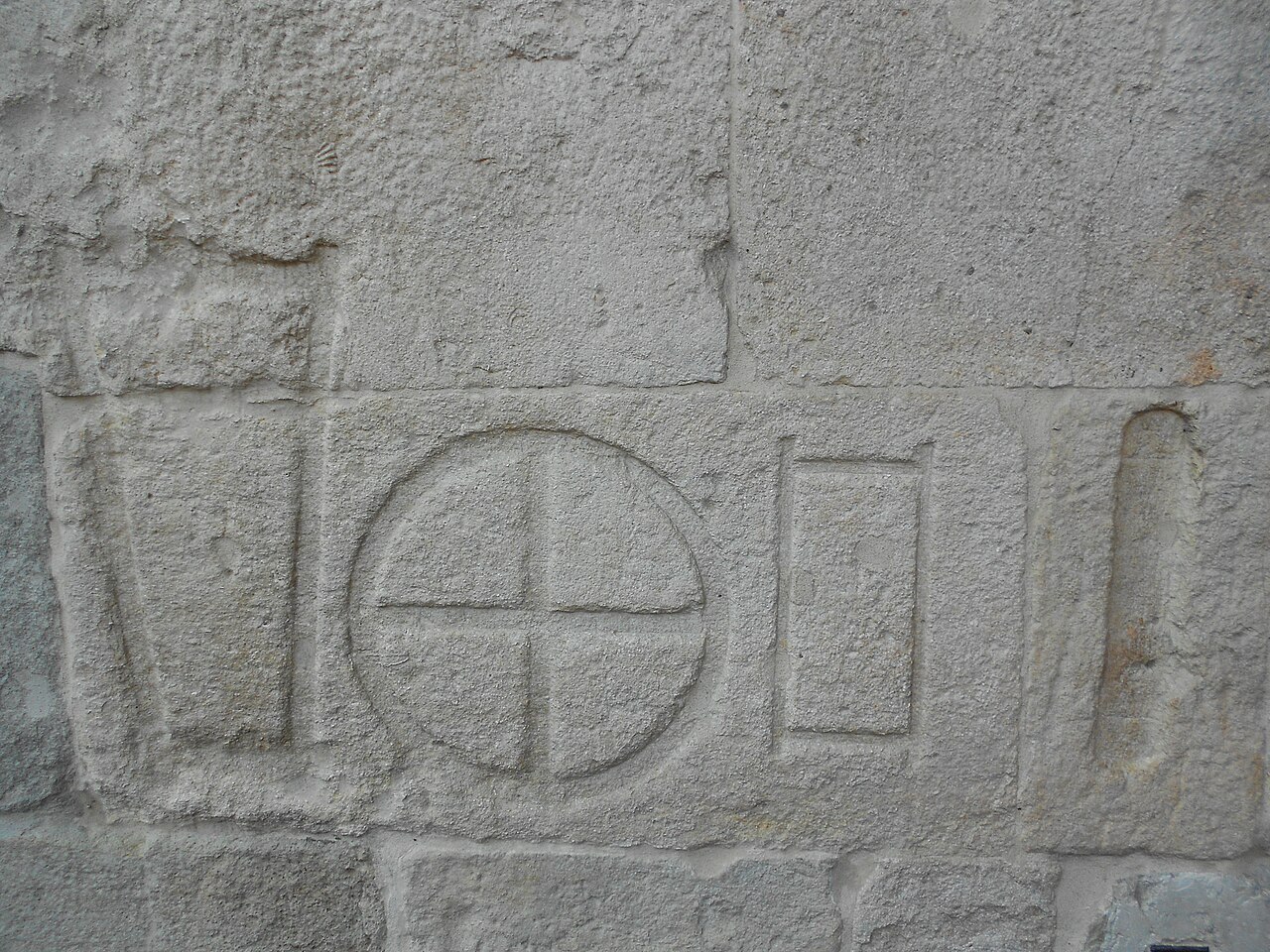
An example: the metre
The metre is the SI unit commonly used for length. It was once represented by a physical object, but since 1983 its definition is linked to a fixed value of the speed of light, which makes the unit reproducible in laboratories around the world.
Major families of units
Units are organized into different systems, developed for practical and historical reasons.
The two older traditions — the British imperial system and the closely related US customary system — use familiar units such as the inch and the foot for length. They commonly employ the pound for weight and the second for time. Conversions in these systems are not decimal: there are 12 inches in a foot and 16 ounces in a pound.
The modern metric system (SI) is built on powers of ten, which simplifies switching between sizes. For example, 100 centimetres make a metre and 1000 grams make a kilogram. The SI base unit for mass is the kilogram, and decimal prefixes (milli-, centi-, kilo-, etc.) are used to form related units.
Measuring time
All these systems use the measurement of time, which is based on the second as its fundamental unit. Timekeeping follows a long-established sexagesimal pattern: the sexagesimal division gives 60 seconds per minute and 60 minutes per hour.
Questions and answers
Q: What is measurement?
A: Measurement is a process that uses numbers to describe a physical quantity. It can be used to measure the size, temperature, weight and other features of an object.
Q: How was the metre defined before 1982?
A: Before 1982, one meter was defined as the distance between two markers on a special metal rod.
Q: What are the three systems of units of measurement?
A: The three systems of units of measurement are the British imperial system, US customary system and metric system or SI system.
Q: How many inches are in one foot?
A: There are 12 inches in one foot.
Q: How many ounces are in one pound?
A: There are 16 ounces in one pound.
Q: How many centimetres are there in one metre?
A: There are 100 centimetres in one metre.
Q: How does time measurement differ from other measurements?
A: Time measurement does not follow the pattern used by other measurements as it is based on the sexagesimal system which states that 60 seconds make up 1 minute and 60 minutes make up 1 hour.
Related articles
Author
AlegsaOnline.com Physical Measurement and Units: Systems, Standards, and SI Definitions Leandro Alegsa
URL: https://en.alegsaonline.com/art/102932