
M72 LAW (Light Anti-Armor Weapon)
A compact, single‑shot disposable rocket launcher introduced in the 1960s, used by infantry to defeat light armor and fortifications; valued for low weight, one‑man operation and battlefield portability.
Overview
The M72 Light Anti‑Armor Weapon (LAW) is a portable, shoulder‑fired rocket launcher that gives individual infantry soldiers an anti‑armor and breaching capability. It is a single‑shot, disposable launcher: the tube contains the rocket and firing mechanism, and is discarded after use. The weapon's light mass and compact form factor made it an important infantry asset from its introduction and it remains in service with many armed forces worldwide technical summary and service records.
Image gallery
10 Images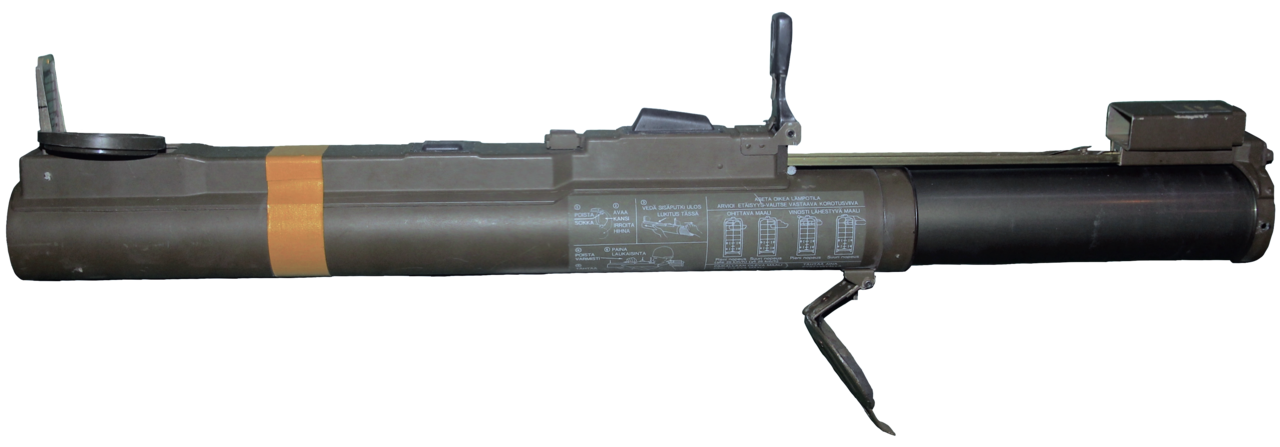


Characteristics
Designed to be carried and operated by one person, the M72 is much lighter and shorter than earlier recoilless rifles and the two‑man bazooka. Typical traits include a small diameter launch tube, a shaped‑charge warhead to penetrate armor, and a simple sighting arrangement. The following list highlights key features:
- Lightweight, compact disposable tube for easy carriage and rapid employment manufacturer info.
- Shaped‑charge warhead effective against light armored vehicles and fortified positions.
- Simple aiming and arming mechanism to minimize training burden.
- Effective engagement ranges measured in the low hundreds of meters, suitable for short‑range infantry actions field manual.
History and development
The M72 family was developed in the mid‑20th century as armies sought a lightweight, disposable alternative to reusable rocket launchers. Its compactness contrasted with earlier designs that required multi‑man crews and heavier logistics. The weapon entered widespread use in the 1960s and saw extensive deployment during conflicts where mobility and individual anti‑armor capability were priorities historical overview.
Use in Vietnam and tactical employment
During the Vietnam War the M72 was valued even though large armored formations were uncommon in the dense theatre. Infantry used it to defeat bunkers, strongpoints and light vehicles, and to create breaches in field fortifications and trench systems where close, mobile firepower mattered most campaign reports. Its single‑operator profile made it suitable for patrols and small units after‑action accounts.
Modern roles and distinctions
Today the M72 remains in use in many NATO and allied forces, often alongside heavier anti‑tank systems. It is best suited for short‑range threats, urban operations, and demolition of obstacles; heavier guided weapons cover longer ranges and modern main battle tanks. Its main advantages are low weight, simplicity and low logistical burden. For additional reading on doctrine, variants and current status, consult technical and doctrinal sources doctrine, variant notes, and modern assessments—including comparative evaluations with older systems like the bazooka comparisons.
Related articles
Author
AlegsaOnline.com M72 LAW (Light Anti-Armor Weapon) Leandro Alegsa
URL: https://en.alegsaonline.com/art/60229