
Macaroni Penguin (Eudyptes chrysolophus)
A crested penguin of the Southern Ocean noted for its yellow-orange forehead crest, large breeding colonies on subantarctic islands, krill-based diet, and conservation concerns.
Overview
The macaroni penguin (Eudyptes chrysolophus) is a medium-sized crested penguin recognized for a flashy band of yellow-orange plumes across its forehead. Its common name is said to recall 18th-century ‘‘macaroni’’ fashion—an allusion to flamboyant style—rather than the pasta. Adults show a stark contrast between dark upperparts and paler underparts and gather in very large colonies on subantarctic islands and nearby coasts. For taxonomy and group information see crested penguins.
Image gallery
10 Images


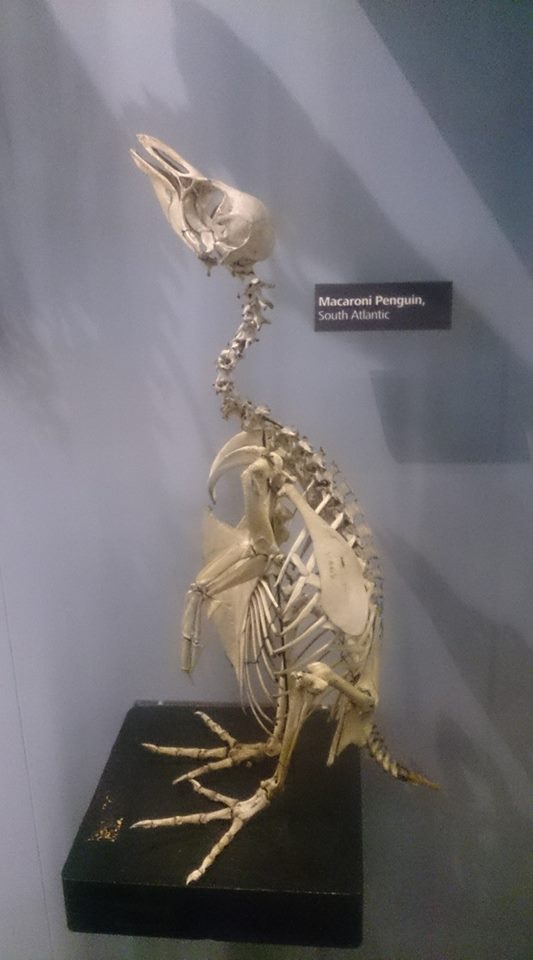
Identification and characteristics
Macaroni penguins have black faces and dark backs, with a conspicuous crest of stiff, yellow-orange feathers that runs over the forehead and above the eyes. The coloration details are often described as a mix from orange to yellow; see notes on the dark facial plumage and the orange tones and yellow highlights of the crest. These crests are used in visual displays and can vary slightly between individuals and populations. The head pattern, crest shape and bill size help distinguish them from other crested species; more on crest morphology at crest features and frontal banding at forehead pattern.
Distribution and habitat
Macaroni penguins breed on rocky slopes, cliffs and tussock-covered hillsides of subantarctic islands and the Antarctic Peninsula. Their range extends across islands at the edge of Antarctica and into the southern reaches of major ocean basins. Typical locations include islands south of Africa, the southern Atlantic and Indian Oceans, and regions off the Americas; see regional summaries at Antarctic islands, southern Africa and the Americas.
Behavior, diet and breeding
Macaronis are highly social and forage at sea, feeding mainly on krill, small crustaceans and fish. They undertake short to medium-distance trips from colonies to feeding grounds. During the breeding season they form dense colonies where pairs perform mutual displays that emphasize the crest. Typical breeding behaviour includes laying two eggs (the first often smaller), brooding chicks in nests among rocks or vegetation, and a seasonal molt when adults are ashore.
Conservation and notable facts
Once among the most abundant penguin species, macaroni penguins have experienced declines linked to changes in prey availability, climate variability, fisheries interactions and introduced predators at some colonies. The species is monitored by researchers and is the subject of conservation measures in several jurisdictions. Their bright crest and large colonies make them a striking example of subantarctic wildlife and a focus for seabird ecology studies.
Quick facts
- Scientific name: Eudyptes chrysolophus
- Habitat: Subantarctic and Antarctic-edge islands
- Diet: Krill, small fish and crustaceans
- Social structure: Large breeding colonies and cooperative foraging
Questions and answers
Q: What is the macaroni penguin?
A: The macaroni penguin is a type of crested penguin, known for its black faces and orange-yellow crests.
Q: Why is it called the macaroni penguin?
A: The macaroni penguin gets its name from its distinctive crest, which resembles a type of 18th-century wig called a "macaroni."
Q: Where do macaroni penguins live?
A: Macaroni penguins live on islands near the edge of Antarctica, as well as on islands off the coast of Africa and the Americas.
Q: What kind of habitat do macaroni penguins prefer?
A: Macaroni penguins make their nests on cliffs and hillsides.
Q: Are macaroni penguins endangered?
A: Currently, macaroni penguin populations are considered stable, and they are not classified as endangered.
Q: What do macaroni penguins eat?
A: Macaroni penguins primarily feed on krill and small fish.
Q: Are macaroni penguins social animals?
A: Yes, macaroni penguins are social animals and often form large colonies during breeding season.
Related articles
Author
AlegsaOnline.com Macaroni Penguin (Eudyptes chrysolophus) Leandro Alegsa
URL: https://en.alegsaonline.com/art/60273