
Mini-skirt: definition, history, variations and cultural impact
A compact overview of the mini-skirt: its defining features, emergence in 1960s fashion, key designers, variations (minidress, microskirt, hot pants) and its cultural significance and controversies.
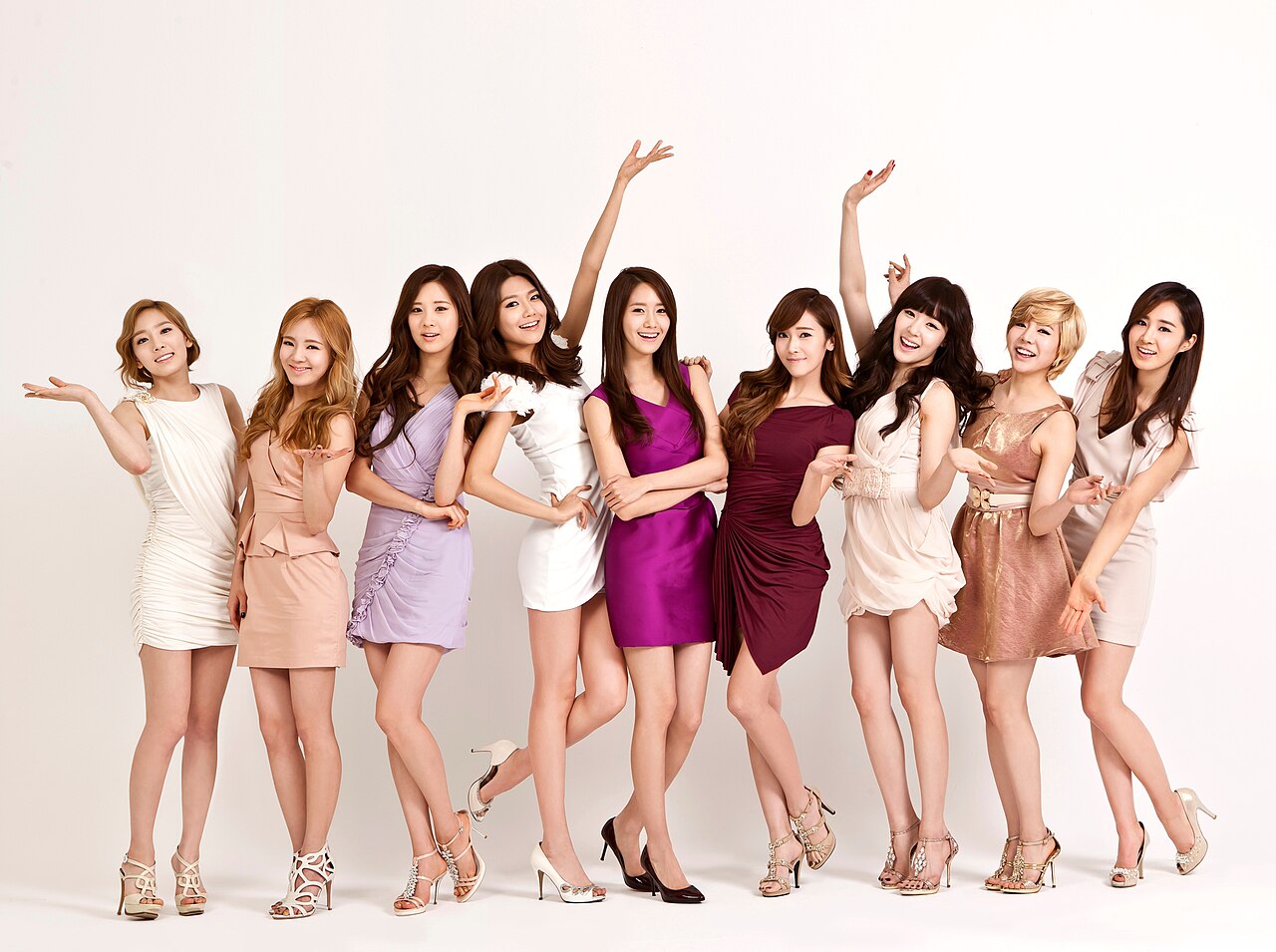
The mini-skirt, often written miniskirt, is a skirt with a hemline significantly above the knee, typically ending at the upper thigh. Its defining characteristic is the shortened length relative to traditional skirts, producing a youthful, high-energy silhouette. When the shortened skirt is combined with a matching top as a single garment it is commonly called a minidress. Extremes on this spectrum — often termed microskirts — are very brief and are generally reserved for performance, publicity or nightlife contexts.
Image gallery
10 Images




Characteristics and variations
Mini-skirts appear in many fabrics, cuts and styles. Some common variations include:
- A-line and straight cuts: differing in how the garment flares from the waist
- Pleated or gathered minis: adding texture and movement
- Minidresses: one-piece garments that replicate the mini length
- Microskirts and hot pants: very short variants focused more on novelty or performance
Design details such as waist height, hem finish, fastenings and lining affect comfort and suitability for everyday wear. Choices of knit, leather, denim or synthetic fabrics determine a mini's seasonality and look.
Origins and early development
The rapid popularization of the mini-skirt is most often associated with the 1960s. The style emerged from a mix of youth culture, changes in social attitudes toward gender and sexuality, and practical experimentation by dressmakers and ready-to-wear brands. Several designers and retailers are linked to the mini's rise. Mary Quant is widely credited with popularizing the shorter hem among younger customers and is known for promoting playful, accessible clothes; she is often mentioned alongside designers such as André Courrèges and John Bates, who introduced similarly abbreviated silhouettes in haute couture and ready-to-wear shows. There is debate about who first introduced the shortest hems; what is clear is that rising interest among young women created a market that designers and fashion houses amplified. For visual references about skirt lengths and examples, see skirt length guide.
Cultural impact and controversies
The mini-skirt became a symbol of the 1960s cultural shift. For some observers it represented liberation from restrictive dress codes and a visible sign of youth autonomy. Others viewed it as provocative and inappropriate in certain public or institutional settings, prompting disputes over dress policies in schools, workplaces and public events. Feminist perspectives on the mini vary: some celebrated the garment as empowering because it broadened options for female self-expression; others critiqued the focus on sexualized display and commercial pressures shaping women's bodies and behavior.
Uses, styling and contemporary presence
Minis are versatile in contemporary wardrobes. They can be dressed down with tights and boots for everyday wear, paired with tailored pieces for a modern look, or styled for evening wear with heels and statement accessories. Designers continue to reinterpret the mini in new fabrics and proportions, and it periodically reappears as a dominant trend. Related garments such as hot pants emphasize a similar briefness but are tailored more like shorts; for historical notes on hot pants see hot pants overview.
Notable facts and further reading
Mary Quant reportedly named the mini after the popular small car of the era, the Mini, reflecting the compact, fun qualities she associated with the garment; for more on Quant and her role in 1960s fashion see Mary Quant profile and for cultural background about the Mini car as an influence see the Mini. The mini-skirt remains a recognizable element of modern fashion vocabulary, simultaneously a practical garment and a cultural touchstone that continues to provoke discussion about style, gender and public norms.
Related articles
Author
AlegsaOnline.com Mini-skirt: definition, history, variations and cultural impact Leandro Alegsa
URL: https://en.alegsaonline.com/art/65199
Sources
- books.google.com : The British Invasion: the music, the times, the era
- commons.wikimedia.org : Miniskirts