
Lycorhinus — early heterodontosaurid ornithischian from southern Africa
Lycorhinus is a small, early heterodontosaurid ornithischian from southern Africa, noted for its mixed dentition of beak, cheek teeth and enlarged caniniforms that illuminate early dinosaur dietary evolution.
Lycorhinus (name often rendered as "wolf snout") is a genus of small ornithischian dinosaur placed in the family Heterodontosauridae. Known from fragmentary remains recovered in southern Africa, it lived around the Triassic–Jurassic boundary. Lycorhinus is best known for a heterodont dentition: a keratinous beak at the front of the jaws, simple grinding cheek teeth, and enlarged canine-like or caniniform teeth toward the front of the maxilla or lower jaw. This mix of tooth types has made it a central taxon for studying early variations in feeding among ornithischians.
Image gallery
10 Images


Characteristics
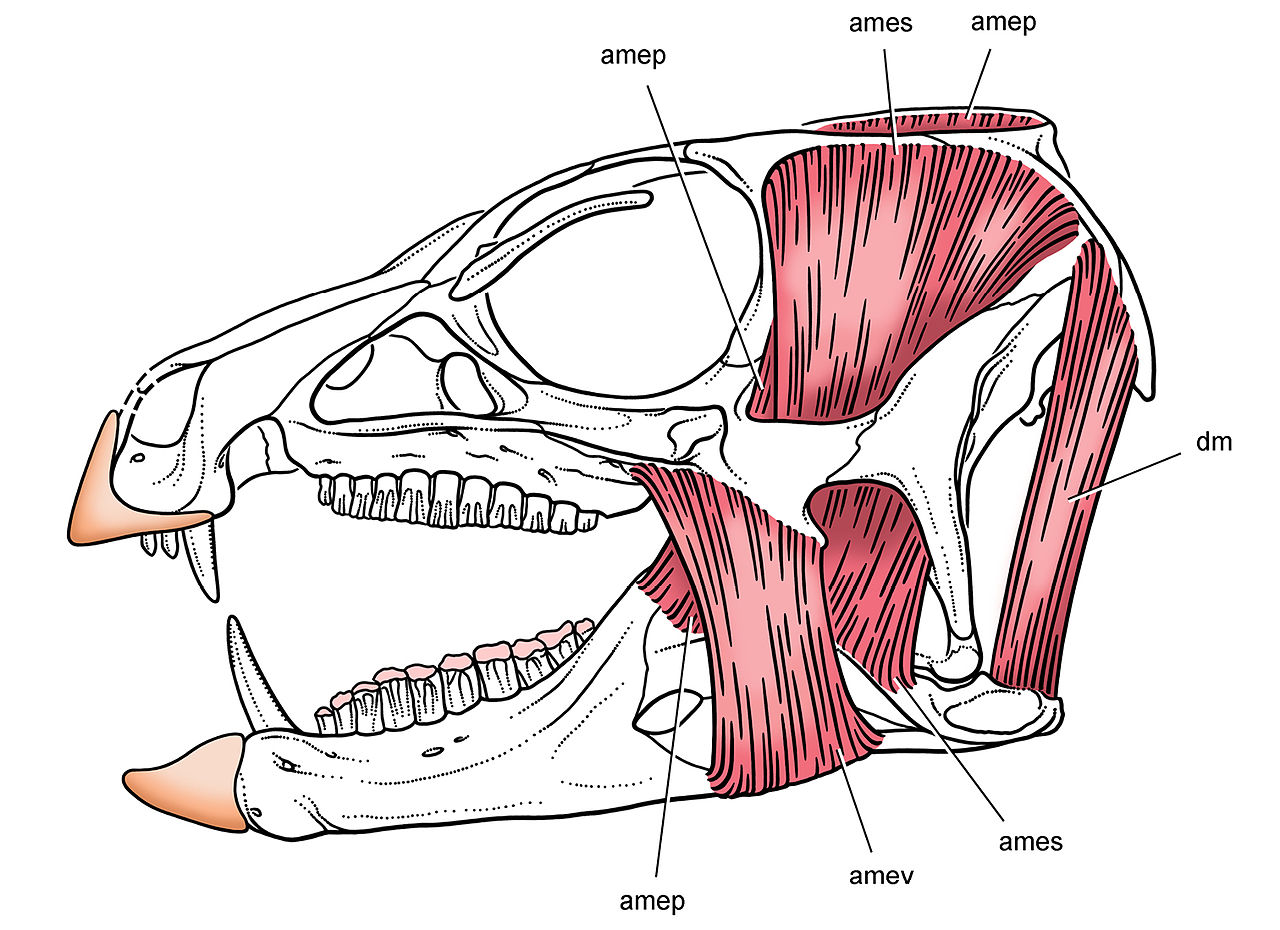
Like other heterodontosaurids, Lycorhinus combined a beak-like rostrum with differentiated teeth farther back. The cheek teeth are suited for shearing or grinding plant material, while the enlarged anterior teeth may have been used for display, species recognition, defence, or occasional animal matter. Limb proportions and pelvic structure indicate a small, agile biped, adapted for quick movement rather than heavy browsing. Its overall anatomy suggests a predominantly herbivorous lifestyle with potential seasonal or opportunistic omnivory.
Discovery and naming
Fossil remains assigned to Lycorhinus were first reported in the early 20th century from sedimentary successions of southern Africa, including deposits within the broad Karoo Basin. Early descriptions emphasized the unusual dentition and prompted discussion about diet and behaviour. Because the material is often fragmentary, the genus has undergone revision and reevaluation as new specimens and comparative studies of heterodontosaurids were published.
Classification and relationships
Lycorhinus is usually placed within Heterodontosauridae, a clade of small, basal ornithischians characterized by heterodont teeth and a mix of primitive and derived features. This family provides important insight into early ornithischian diversification and the origins of herbivory in dinosaurs. For general context consult overviews of the heterodontosaurid family and genus-level summaries such as Lycorhinus. Comparative studies that include faunas from the Triassic and Early Jurassic help clarify its position among early ornithischians and within Mesozoic ecosystems (Early Jurassic faunal studies).
Paleobiology and significance
The combination of grinding cheek teeth and prominent caniniform teeth suggests dietary flexibility. A primarily herbivorous diet supplemented by insects or other small items at times is plausible, though direct stomach content evidence is lacking. As one of the better-known early heterodontosaurids from southern continents, Lycorhinus contributes to research on dental evolution, feeding mechanics, and how early ornithischians adapted to changing environments after the end-Triassic interval.
- Distinctive heterodont dentition combining beak, cheek teeth and caniniforms
- Small, likely bipedal body plan adapted for agility
- Important for studies of early ornithischian evolution and dietary shifts
Although many aspects of its anatomy remain incompletely known and some taxonomic details are debated, Lycorhinus remains an instructive example of early dinosaur diversity and the experimentation in tooth form that accompanied the rise of ornithischian herbivores.
Related articles
Author
AlegsaOnline.com Lycorhinus — early heterodontosaurid ornithischian from southern Africa Leandro Alegsa
URL: https://en.alegsaonline.com/art/60080