
Lycopene — red carotenoid in tomatoes and processed foods
Lycopene is a red, acyclic carotenoid found in tomatoes and other red fruits. It is a hydrocarbon with formula C40H56, prized as a pigment, dietary compound and food ingredient; research on health effects is ongoing.
Lycopene is a naturally occurring red pigment found in many red fruits and vegetables. It is classified as an acyclic carotenoid and is responsible for the red color of ripe tomatoes and some other plants. As a plant pigment, lycopene contributes to appearance and is often discussed for its presence in foods, supplements and industrial colorants; see the term pigment for its role in coloration.
Image gallery
3 Images

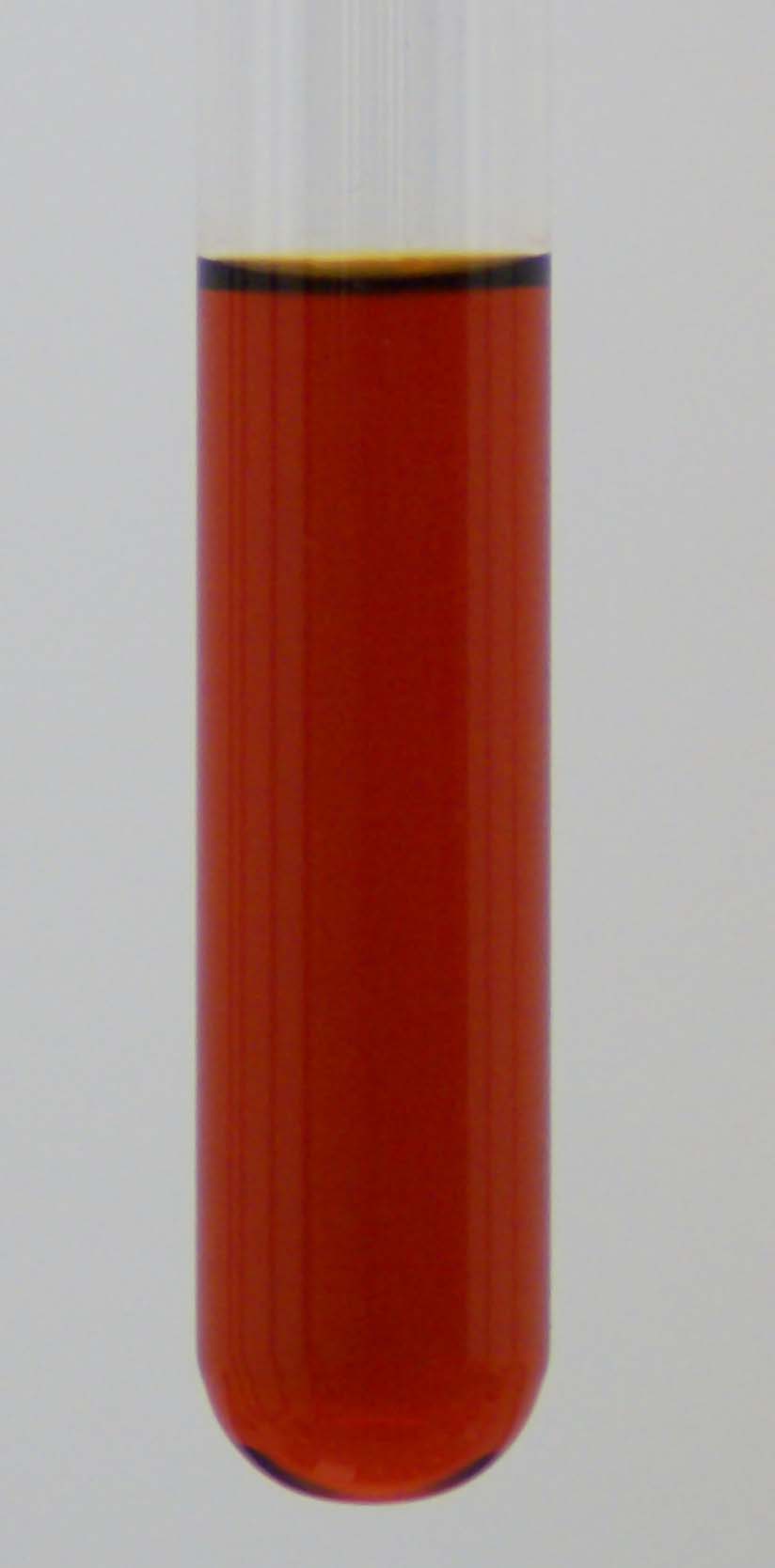
Chemical characteristics
Chemically, lycopene is a hydrocarbon made of a long chain of conjugated double bonds. Its empirical formula is C40H56, and its molecular structure and properties are described in chemical references under the name and related structure entries. The extended system of conjugated double bonds—commonly counted as 11 conjugated double bonds—gives lycopene its intense red color and makes it chemically reactive with certain oxidants. Unlike beta‑carotene, lycopene lacks terminal beta‑ionone rings and exists in multiple geometric isomers (all‑trans and several cis forms).
Occurrence and bioavailability
Lycopene occurs in fresh tomatoes, watermelon, pink grapefruit and papaya, but its dietary availability varies. Processed tomato products such as tomato paste, sauces and commercially prepared condiments often contain more bioavailable lycopene than raw fruit because heat treatment and mechanical processing convert some all‑trans molecules into cis isomers and break cellular structures. For example, commonly consumed products like ketchup are noted for relatively high concentrations of absorbable lycopene. Dietary fat enhances intestinal absorption of lycopene because it is a fat‑soluble compound.
Uses, dietary role and research
Lycopene is used commercially as a natural colorant and is sold as an ingredient in dietary supplements. In laboratory tests it shows antioxidant activity and can react with singlet oxygen and other reactive species. Epidemiological and clinical studies have examined possible links between lycopene intake and health outcomes—particularly prostate and cardiovascular health—but results are mixed and research continues. Major nutrition authorities describe lycopene as a dietary carotenoid rather than an essential vitamin.
Notable distinctions and practical points
- Lycopene is an acyclic carotene distinct from beta‑carotene by the absence of ring structures.
- Processing (heat, pureeing) and combining with fat generally increase its bioavailability compared with consuming raw tomato alone.
- Commercially, lycopene may be derived from tomato waste, algae or synthesized for use as a colorant and supplement.
- While it has antioxidant properties in vitro, definitive clinical benefits in humans remain under study; dietary sources are widely accepted as safe.
For further reading about chemical descriptions, occurrence and applications, see linked resources on structure and pigment classifications at the provided references.
Related articles
Author
AlegsaOnline.com Lycopene — red carotenoid in tomatoes and processed foods Leandro Alegsa
URL: https://en.alegsaonline.com/art/60076