
Magnesium oxide (magnesia): properties, uses, and handling
Magnesium oxide (MgO), a white ionic solid known as magnesia or periclase, is used as a refractory, insulator, antacid, and in agriculture and industry. Overview, production, uses, and safety.
Overview
Magnesium oxide is an inorganic compound of magnesium and oxygen with the chemical formula MgO. Often called magnesia, it appears as a white powder or crystalline mineral and is the principal component of the mineral periclase. The substance is an ionic oxide that is valued for its thermal stability and basic chemical character.
Image gallery
4 Images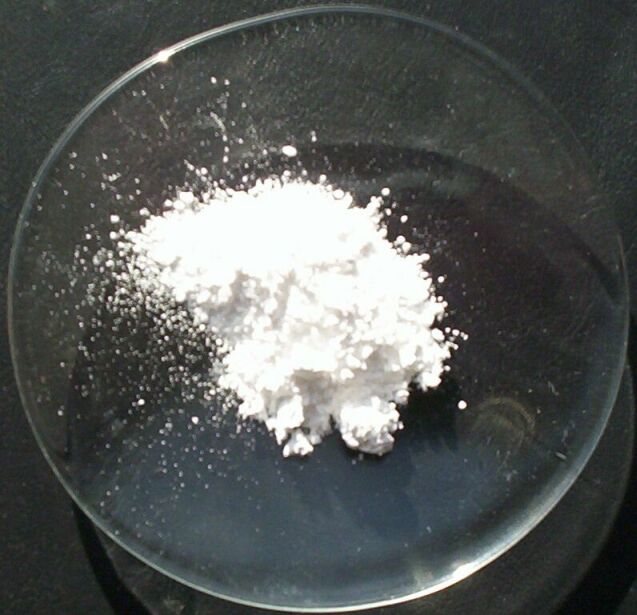


Physical and chemical characteristics
MgO has a high melting point and a dense, rock-salt-type crystal structure in its most common form. It is only sparingly soluble in water; in contact with water it slowly reacts to form magnesium hydroxide. As a basic oxide, it neutralizes acids and can act as a source of magnesium in chemical reactions. The material is stable under many thermal and chemical conditions, which accounts for its wide industrial use.
Production and common forms
Magnesium oxide is produced by calcining magnesium carbonate minerals (magnesite) or hydrated magnesium hydroxides. Commercial grades vary from light-burned, reactive powders used in chemistry to dense, sintered varieties used for high-temperature applications. The physical form and treatment determine properties such as reactivity, porosity, and mechanical strength.
Uses and applications
MgO has a broad set of applications across industries:
- Refractories and ceramics: used to line furnaces and make crucibles because it withstands high temperatures.
- Electrical insulation: serves as an insulator in some high-temperature wiring and heating elements due to its dielectric properties.
- Health and pharmacy: used as an antacid and laxative to relieve heartburn and upset stomachs, and as a magnesium supplement in medicine.
- Agriculture and environmental: provides magnesium for soils and can be used in wastewater treatment to adjust pH.
- Conservation and paper: employed to improve the longevity of archival materials and in manufacturing processes.
Safety, handling, and notable distinctions
MgO is generally regarded as low in toxicity when used appropriately, but inhalation of fine dust can irritate the respiratory tract and prolonged exposure to large doses as a supplement should be avoided. It is distinct from magnesium hydroxide and other magnesium salts; for example, the substance formed by hydrating MgO is commonly called slaked magnesia. When discussing the compound, sources may refer to either the mineral form or engineered grades tailored for specific uses.
For more technical details, manufacturing standards, and regulatory guidance, consult material safety datasheets and specialized references. Related topics include elemental magnesium and atmospheric oxygen chemistry.
Related articles
Author
AlegsaOnline.com Magnesium oxide (magnesia): properties, uses, and handling Leandro Alegsa
URL: https://en.alegsaonline.com/art/60617
Sources
- users-phys.au.dk : "Self-consistent electronic structures of MgO and SrO"
- ui.adsabs.harvard.edu : 1985SSCom..55..351T
- doi.org : 10.1016/0038-1098(85)90622-2
- konoshima.co.jp : Application of magnesium compounds to insulating heat-conductive fillers · web.archive.org