
Lythraceae: the loosestrife family of flowering plants
Lythraceae is a family of flowering plants (order Myrtales) of about 32 genera and 500–600 species, including many herbs and notable ornamental and fruit-bearing members.
Overview
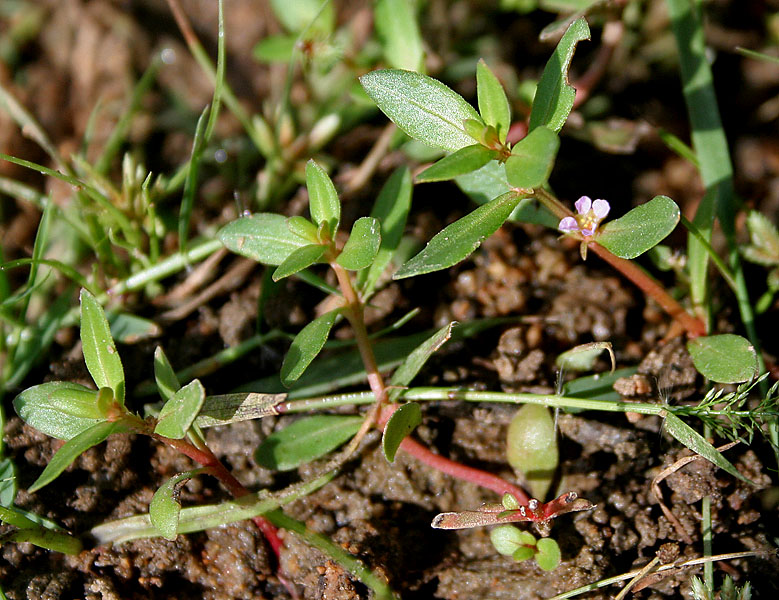
Lythraceae is a family of flowering plants in the order Myrtales that comprises roughly 32 genera and an estimated 500–600 species. Members of this family occur worldwide, with greatest diversity in tropical and warm-temperate regions. Growth forms vary: many species are annual or perennial herbs, while others appear as shrubs or small trees.
Image gallery
9 Images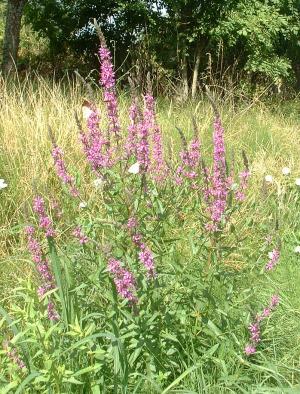




Characteristics
Plants in the family typically have simple leaves and conspicuous flowers, often arranged in spikes, panicles, or clusters. Flowers are usually bisexual and showy in several garden species. Fruit types range from dry capsules to fleshy berries depending on the genus. Many Lythraceae species show adaptations for pollination by insects and occasionally by wind.
Taxonomy and notable genera
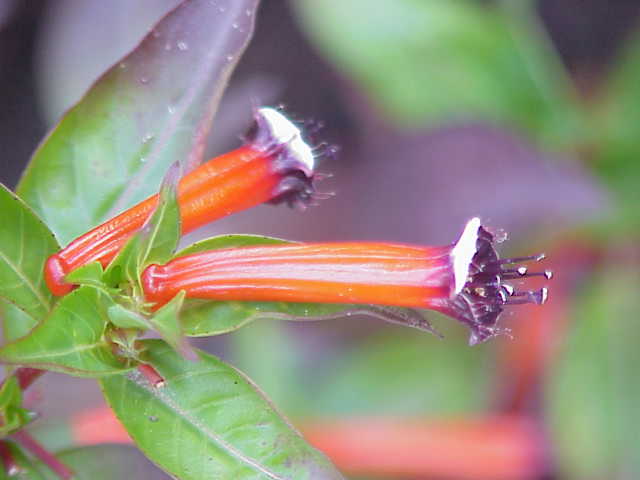
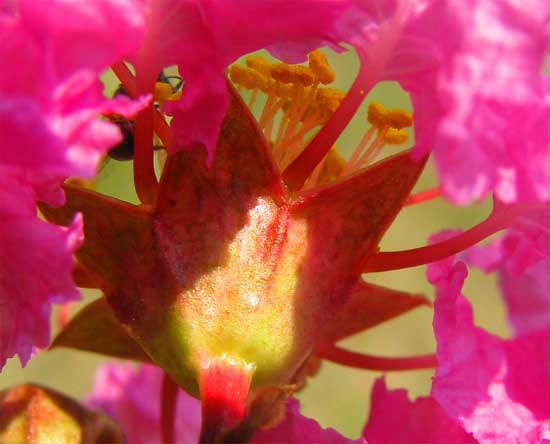
The family is centered on a number of well-known genera used in horticulture and ecology. Examples include Lythrum (purple loosestrife), Lagerstroemia (crepe myrtle), and Cuphea (a genus grown for ornamental and experimental oilseed uses). Some taxonomic treatments have also placed Punica (pomegranate) near or within this group, a placement that varies across classifications.
Distribution and habitat
Lythraceae species inhabit a wide range of habitats: wetlands, river margins, open fields, and dry slopes. Several species are important components of marsh and riparian vegetation, while others are adapted to seasonally dry sites. Their worldwide distribution reflects both tropical diversity and a number of temperate species with broad ranges.
Uses and importance
Several members of Lythraceae have economic or cultural value. Crepe myrtles (Lagerstroemia) are widely planted as ornamental street and garden trees for their long-lasting summer flowers. Some Cuphea species are researched for specialty seed oils. When included in broader circumscriptions, pomegranate (Punica) provides an important edible fruit. Other species serve roles in habitat restoration and as nectar sources for pollinators.
Notable facts and distinctions
The family is recognized for its diversity of flower and fruit types within a relatively compact group of genera. Identification can hinge on floral structure and fruit type rather than habit alone. Because taxonomic boundaries have shifted with molecular studies, certain genera have been moved in or out of Lythraceae over recent decades; readers seeking the latest genus-level arrangement should consult current floras or molecular-based checklists (herbs, shrubs, trees).
Related articles
Author
AlegsaOnline.com Lythraceae: the loosestrife family of flowering plants Leandro Alegsa
URL: https://en.alegsaonline.com/art/60164