
Louisa May Alcott: life, major works, and cultural legacy
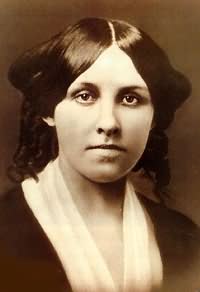
American novelist and short-story writer Louisa May Alcott (1832–1888), best known for Little Women; novelist, nurse, reformer, and author of children’s and sensational fiction.
Overview
Louisa May Alcott (November 29, 1832 – March 6, 1888) was an American writer whose work ranges from intimate family novels to bold, sensational stories written under a pseudonym. She grew up in a progressive intellectual circle and found lasting fame with the semi-autobiographical novel Little Women, which established her as one of the nineteenth century’s most popular authors.
Image gallery
7 Images


Life and influences
Born in Germantown, Pennsylvania, Alcott spent much of her childhood in Massachusetts, where her family finally settled in Concord. Her father, Bronson Alcott, was a teacher and educational reformer whose ideas, though controversial, placed the family among leading New England thinkers. Neighbors and acquaintances included Ralph Waldo Emerson, Henry David Thoreau and Nathaniel Hawthorne, and Concord’s literary and philosophical environment shaped Louisa’s outlook and themes.
Work and major publications
Alcott supported her family through teaching, governess work and writing. She drew on personal experience for early pieces such as Hospital Sketches, based on her time as a volunteer nurse during the American Civil War. Her best-known book, Little Women (1868), follows the March sisters and mixes domestic realism with moral and social reflection. Other notable works include Little Men and Jo’s Boys, along with children’s stories like Eight Cousins and Rose in Bloom. Under the pen name A. M. Barnard she wrote darker, sensational tales that surprised readers who expected only gentle domestic fiction.
Themes, reputation and legacy
Alcott’s writing blends concern for family life with currents of reform-era thought: she addressed women’s independence, education, and moral development, sometimes with a practical, modern sensibility. Her popularity endured through adaptations for stage and screen, and her Concord home and burial place have become points of pilgrimage for readers and scholars. Scholars have also examined how her Civil War service and medical treatments affected her lifelong health.
Further reading and resources
- Biographical overview and timeline
- Collections of letters and personal papers
- Studies of Alcott’s Concord circle
- Examinations of her Civil War nursing experiences
- Critical essays on Little Women and feminism
- Text editions and modern printings
- Resources on Alcott’s pseudonymous fiction
- Visitor information for Concord sites related to Alcott
Related articles
Author
AlegsaOnline.com Louisa May Alcott: life, major works, and cultural legacy Leandro Alegsa
URL: https://en.alegsaonline.com/art/59454
Sources
- books.google.com : Encyclopedia of women's history in America
- nytimes.com : "Louisa M. Alcott Dead"
- en.wikisource.org : "Alcott, Louisa May"
- alcottfilm.com : "Louisa May Alcott: The Womand Behind Little Women, The Alcotts"
- books.google.com : Alternative Alcott
- books.google.com : The Lost Stories of Louisa May Alcott
- theguardian.com : "From little acorns, nuts: Review of 'Eden's Outcasts: The Story of Louisa May Alcott and Her Father' by John Matteson"
- books.google.com : Louisa May Alcott: The Contemporary Reviews
- doi.org : 10.1353/pbm.2007.0019
- pubmed.ncbi.nlm.nih.gov : 17468541