
Louise de Coligny — Huguenot noblewoman and second wife of William of Orange
Daughter of Admiral Gaspard de Coligny, Louise de Coligny (1555–1620) became the fourth wife of William of Orange, mother of Frederick Henry, and a link between French Huguenots and the Dutch Revolt.
Louise de Coligny (born 23 September 1555 in Châtillon-sur-Loing) was a French Huguenot noblewoman who became the fourth wife of William the Silent. Daughter of the Protestant leader Gaspard de Coligny, she lived through the violent religious conflicts of late 16th-century France and later took a prominent place in the Dutch political and religious world. She died in Fontainebleau on 13 November 1620.
Image gallery
1 Image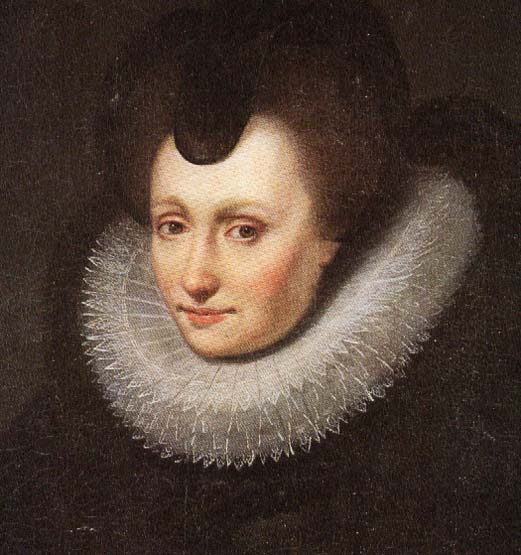
Early life and family background
Louise grew up in a leading Huguenot household. Her father, Admiral Gaspard de Coligny, was a central figure in French Protestant politics; his assassination during the St. Bartholomew's Day Massacre of 1572 marked a turning point for many Huguenot families. In the aftermath, members of the Coligny household faced exile, loss of property, and repeated upheaval as France slid into wars of religion.
Marriage, motherhood and political role
In 1583 Louise married William of Orange, the key leader of the Dutch Revolt against Spanish rule. The union linked two Protestant causes: French Huguenots and the emerging Dutch Republic. She became stepmother to William's many children and was the mother of Frederick Henry, born in 1584, who later served as Prince of Orange and stadtholder of the Dutch Republic.
Later life and influence
After William's assassination in 1584, Louise remained influential as a patron and protector of Protestant exiles and as a respected matriarch within the Orange household. She maintained contacts across courts and communities, supporting religious refugees and the education of her children and stepchildren. Her life illustrates the close ties between French and Dutch Protestant movements in the period.
Notable facts
- She linked a prominent French Huguenot lineage to the ruling House of Orange.
- Her son Frederick Henry became a central Dutch leader in the early 17th century.
- Her experience spans key events: the French Wars of Religion and the Dutch struggle for independence.
Louise de Coligny is remembered as a figure who bridged national and confessional divides, representing both the losses of the Huguenot community in France and the formative generations of the Dutch Republic.
Questions and answers
Q: Who was Louise de Coligny?
A: Louise de Coligny was the fourth wife of Prince William the Silent and the daughter of an important French Protestant leader, Gaspard de Coligny.
Q: Where was Louise de Coligny born?
A: Louise de Coligny was born in Châtillon-sur-Loing on 23 September 1555.
Q: What is her father's name?
A: Her father's name is Gaspard de Coligny.
Q: When did she die?
A: She died on 13 November 1620 at Fontainebleau.
Q: What is her relation to Prince William the Silent?
A: She was his fourth wife.
Q: How old was she when she died?
A: She was 65 years old when she died.
Q: What religion did her family follow?
A: Her family followed Protestantism.
Related articles
Author
AlegsaOnline.com Louise de Coligny — Huguenot noblewoman and second wife of William of Orange Leandro Alegsa
URL: https://en.alegsaonline.com/art/59457