
Ralph Waldo Emerson
American essayist, lecturer, and leading voice of 19th-century Transcendentalism; promoted individualism, nature-centered spirituality, and influential literary essays such as "Nature" and "Self-Reliance."
Ralph Waldo Emerson (1803–1882) was an American author, poet, and philosopher whose writings and lectures helped shape a distinctly American intellectual identity in the 19th century. Best known for a series of essays and public lectures, Emerson argued for the primacy of individual intuition, a reverent relationship to nature, and moral self-reliance as antidotes to conformity and materialism.
Image gallery
10 Images


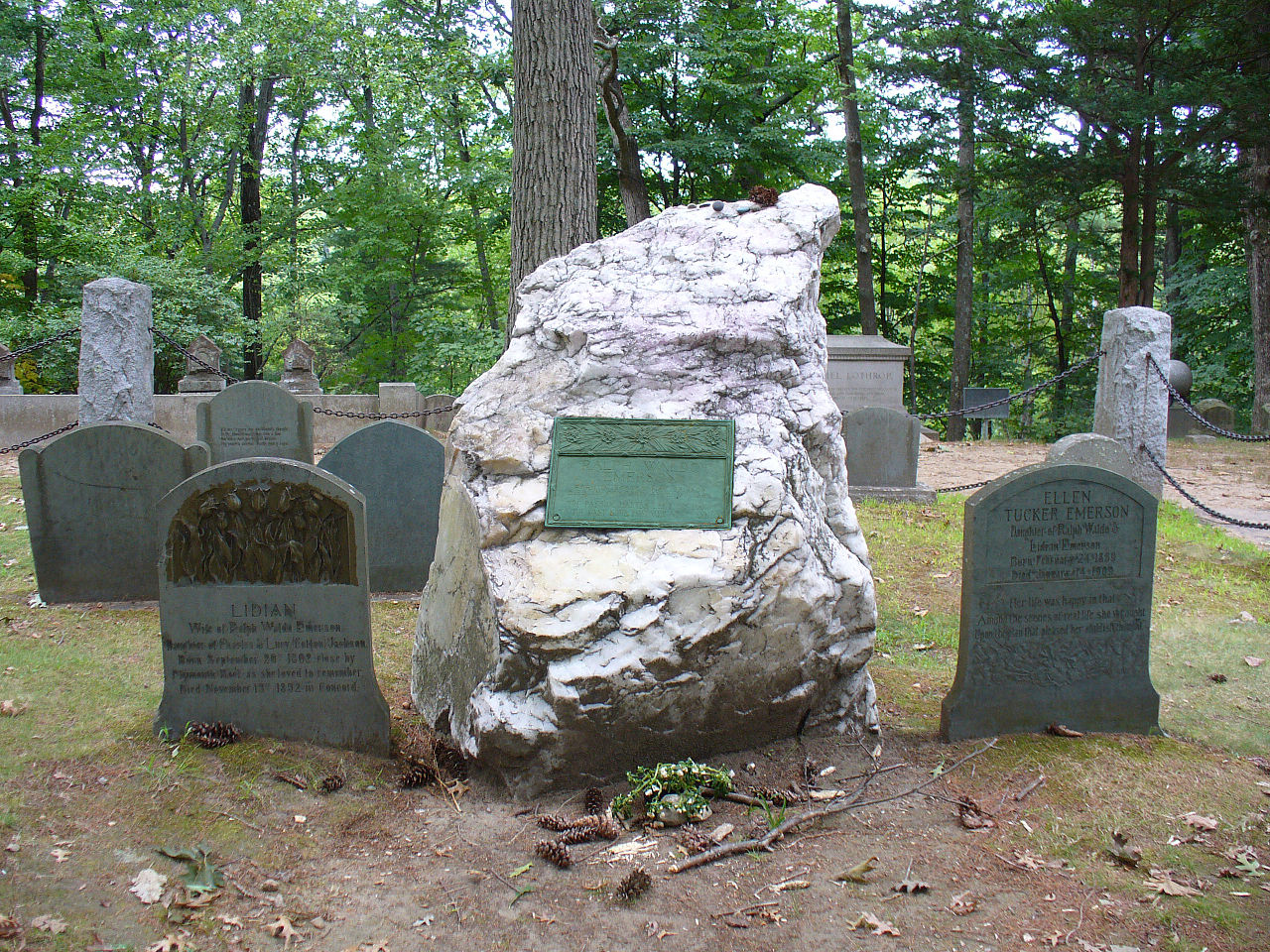


Life and career
Trained initially for the Unitarian ministry, Emerson left the pulpit after personal tragedy and turned to writing and lecturing. He traveled in Europe early in his career and encountered contemporary thinkers and poets, experiences that broadened his perspective. Returning to the United States, he became a leading figure in the Transcendentalist movement and a sought-after public lecturer for decades.
Ideas and themes
Emerson's thought centers on several interrelated themes: the importance of the self and individual conscience; nature as a source of spiritual truth; the limits of institutional religion and blind tradition; and the value of intellectual independence. His prose often combines philosophical reflection with poetic imagery and short, memorable aphorisms.
Major works and forms
- Nature (essay) — an early statement of his view that nature reveals spiritual truths.
- Essays (collected essays) — including influential pieces that promoted self-reliance and nonconformity.
- Numerous lectures and poems that reinforced his public reputation and spread his ideas across America.
Influence and legacy
Emerson influenced a wide range of writers, reformers, and later philosophical movements in the United States. He provided intellectual support for literary independence and encouraged younger figures such as Henry David Thoreau. Politically and socially, his views intersected with movements for abolition and social reform, and over time he spoke more directly against slavery and injustice.
Today Emerson is remembered both for specific essays that remain widely read and for helping to establish a distinctly American voice in literature and philosophy. His emphasis on personal conscience, the spiritual value of nature, and the integrity of the individual continues to be cited in discussions of democratic culture, education, and environmental awareness.
Related articles
Author
AlegsaOnline.com Ralph Waldo Emerson Leandro Alegsa
URL: https://en.alegsaonline.com/art/80997