
Louis Vierne (1870–1937): French Organist and Composer
Louis Vierne, a leading figure of the French Romantic organ school, composed six organ symphonies and many shorter works including the famous Carillon de Westminster; longtime titular organist at Notre-Dame.
Louis Vierne (8 October 1870 – 2 June 1937) was a central figure of the French organ tradition, notable both as a performer and as a composer. Blind from an early age, he trained in Paris and became celebrated for his command of the organ repertoire and his contributions to twentieth‑century liturgical and concert music. He is best known for six large-scale organ symphonies and a series of shorter pieces that remain staples of organ recital programs.
Image gallery
3 Images

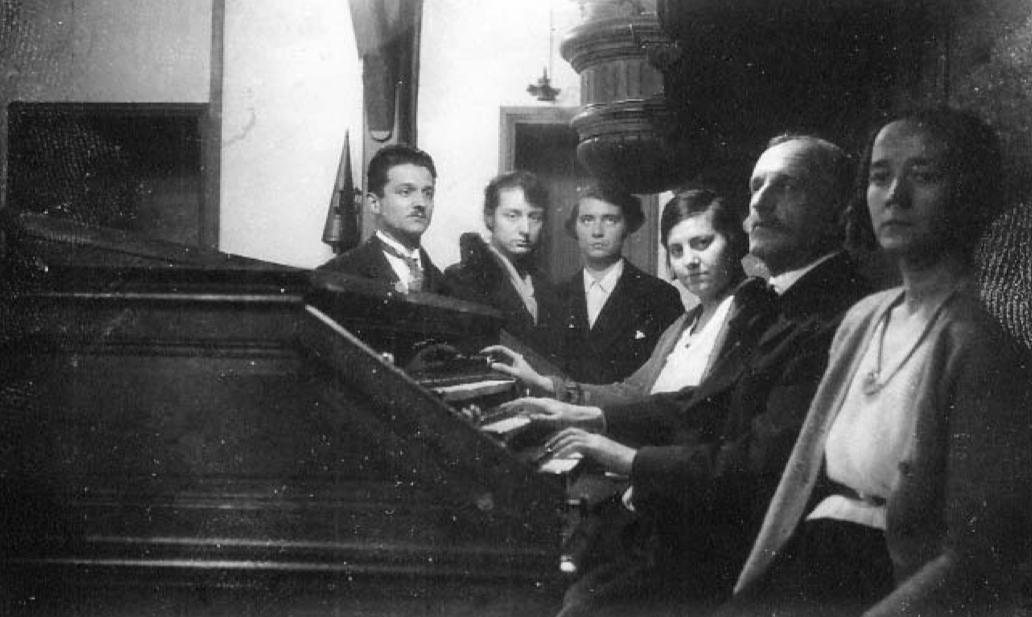
Musical characteristics and style
Vierne's music belongs primarily to the late Romantic French school. His writing combines dense, orchestral textures with refined contrapuntal passages, and it often exploits the timbral and dynamic possibilities of the large French instrument. Harmonies range from richly chromatic to boldly dissonant, while formal treatment shows both traditional models (sonata and symphonic processes) and freer episodic designs suited to recital and liturgical contexts.
Education and career
Trained in Paris, Vierne studied at institutions that served blind musicians and later at the Conservatoire, where he was a pupil of prominent organists of his day. He served as organist at several Parisian churches and was long associated with the great cathedral where he held the principal post until his death. His concert activity, teaching, and improvisational skill made him an influential figure for subsequent generations of organists.
Major works and repertoire
- Six Organ Symphonies — multi-movement works declaring the organ's capacity for extended, symphonic thought.
- Shorter pieces, including collections of fantasy pieces and character pieces that are frequently programmed in recitals; among these, the Carillon de Westminster is widely recognized.
- Pieces adaptable to the harmonium and smaller instruments — several works have been arranged or can be performed on instruments other than cathedral organs.
- Choral and pedagogical music — besides organ repertoire, Vierne produced works used in teaching and church service.
Legacy and importance
Vierne's oeuvre helped define the organ literature of the early twentieth century and influenced organ construction, registration practice, and recital programming. His music continues to be recorded and performed in cathedrals and concert halls worldwide. As both a virtuoso performer and a composer, he bridged liturgical responsibility and concert repertory in ways that remain instructive for organists and listeners.
Notable facts and distinctions
Although limited by visual impairment, Vierne developed a remarkable output and was respected as an improviser and teacher. His close association with the principal Parisian cathedral and his long tenure there secured his reputation in France and abroad. For further reading on his life and works, biographies and collections of scores and recordings provide in-depth perspectives on his technique, registrations, and compositional approach; see resources for organists and scholars at organist biographies and specialized catalogs at publisher and archive listings.
Related articles
Author
AlegsaOnline.com Louis Vierne (1870–1937): French Organist and Composer Leandro Alegsa
URL: https://en.alegsaonline.com/art/59448