
Louisa Adams (1775–1852), First Lady of the United States
Louisa Adams, born in London, was the wife of John Quincy Adams and served as First Lady from 1825–1829. She spent much of her life abroad, influenced diplomatic circles, and left a noted family legacy.
Overview
Louisa Catherine Johnson Adams (February 12, 1775 – May 15, 1852) is best known as the wife of John Quincy Adams and as the First Lady of the United States during his presidency from 1825 to 1829. Born in London, she brought a European upbringing and fluency in several languages to the American political world. Her life bridged transatlantic diplomatic circles and the early republic.
Image gallery
8 Images


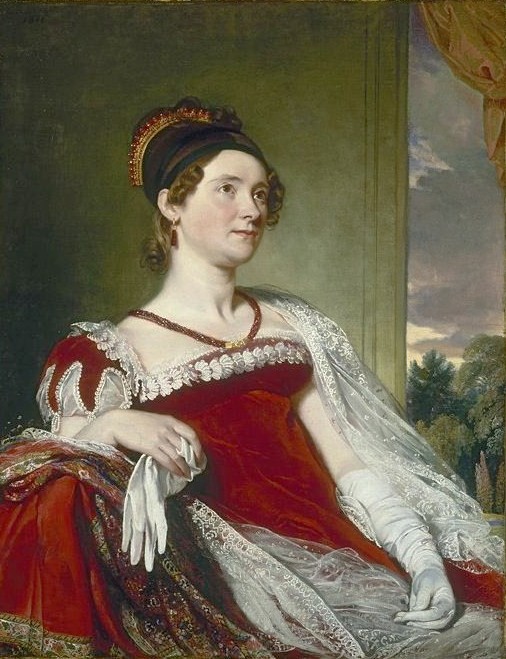
Early life and family background
Louisa was the daughter of Joshua Johnson, an American who served as a U.S. consul, and Catherine Nuth Johnson, an Englishwoman. Raised in England and educated in London and France, she absorbed continental manners and social skills that later shaped her role as the spouse of a diplomat and statesman. Her bicultural origins made her the first U.S. presidential spouse to be born abroad.
Marriage and diplomatic years
Louisa met John Quincy Adams while he was serving in Europe as a young American diplomat. They married in the 1790s and spent many years abroad during Adams's successive postings. Those years included residences in European capitals where she acted as hostess for diplomatic society and supported her husband's career while raising their family. Their son Charles Francis Adams later became an important public figure in his own right.
Role in Washington and public life
As First Lady, Louisa Adams combined a private disposition with the demands of official social duties. She was sometimes criticized for not embracing fashionable Washington society, preferring quieter gatherings or intellectual company. Despite that, she performed the essential hostess duties of the White House and maintained connections with cultural and political figures of the era.
Later years, legacy, and burial
After the presidency, Louisa spent her remaining years involved with her family and the community in Massachusetts. Her descendants remained influential in American public life. She died in 1852 at age 77 and was laid to rest at the United First Parish Church in Quincy, Massachusetts; visitors and historians often note her transatlantic life and role in shaping an early model of the First Lady burial site.
Notable facts and context
- She represents an early example of a transatlantic American figure who navigated both European and U.S. societies.
- Her experience as a diplomat's wife informed the social diplomacy of the early republic.
- Her father-in-law was President John Adams, linking her to one of the founding generations of the United States.
Louisa Adams's life illuminates the personal side of early American diplomacy: private sacrifices, the demands of public hospitality, and the ways family life intersected with public service during the formative years of the United States. For further reading on her life and times see specialized biographies and collections of correspondence that explore her letters and social influence in greater detail. Additional resources and archival materials are available through historical institutions and dedicated web collections (John Quincy Adams archives and related links).
Related articles
Author
AlegsaOnline.com Louisa Adams (1775–1852), First Lady of the United States Leandro Alegsa
URL: https://en.alegsaonline.com/art/59451