
London Wall — the Roman and medieval defensive wall of the City of London
The London Wall was built around Roman Londinium and later shaped the medieval City. Remnants survive today and a modern road follows part of its route, marking an important urban and archaeological legacy.
Overview
The London Wall began as a defensive barrier around the Roman town of Londinium and remained a defining feature of the City of London for many centuries. Erected in the later Roman period, the barrier enclosed the settlement and controlled access across the River Thames frontage. Over time the wall was rebuilt, repaired and reinterpreted to serve military, administrative and civic functions. Today the name also refers to a street that traces part of the old alignment.
Image gallery
10 Images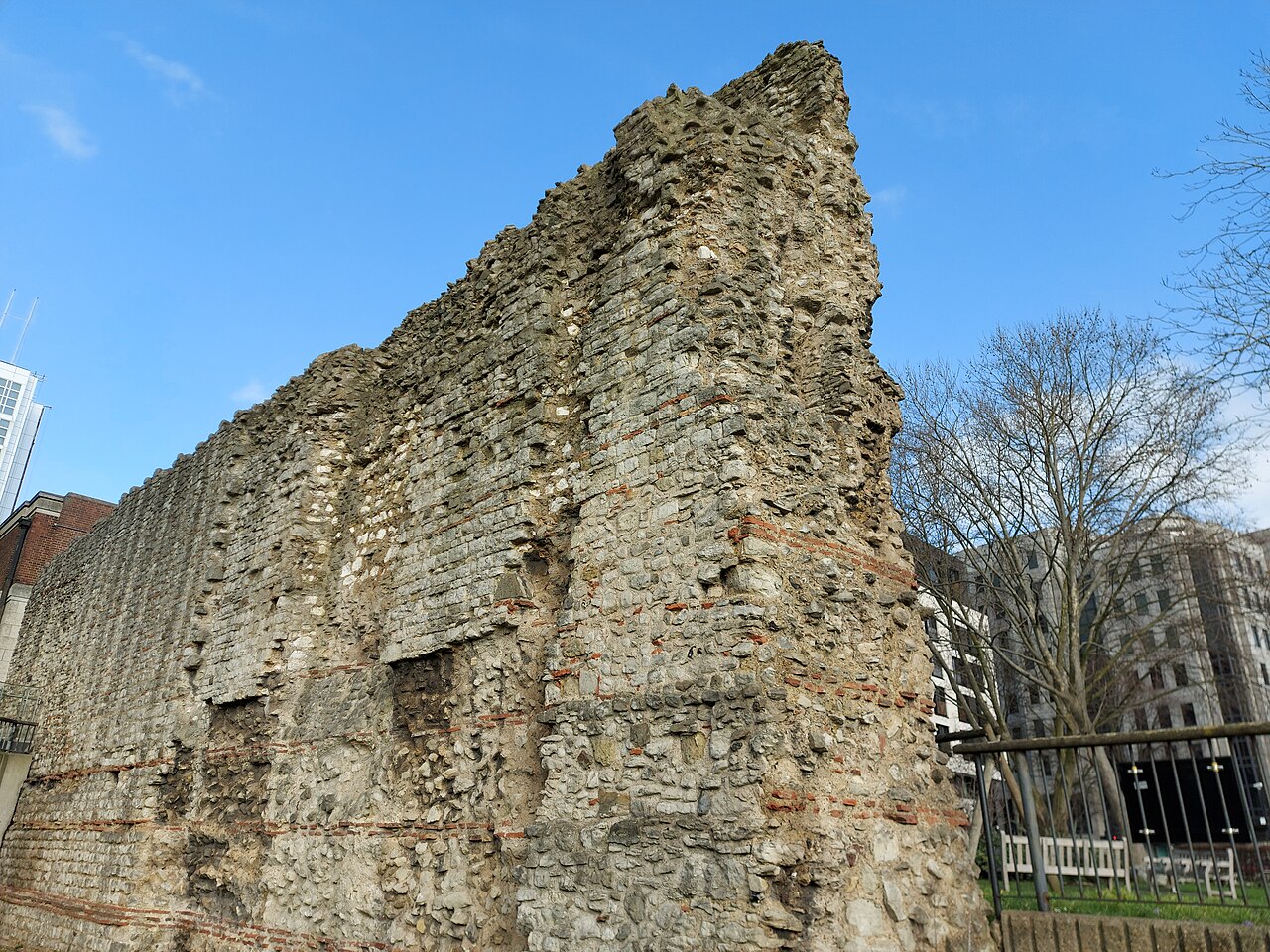




Structure and principal elements
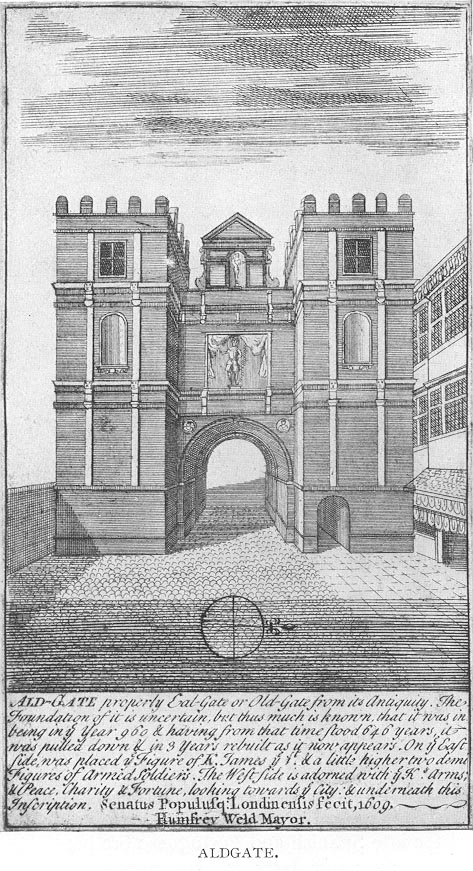
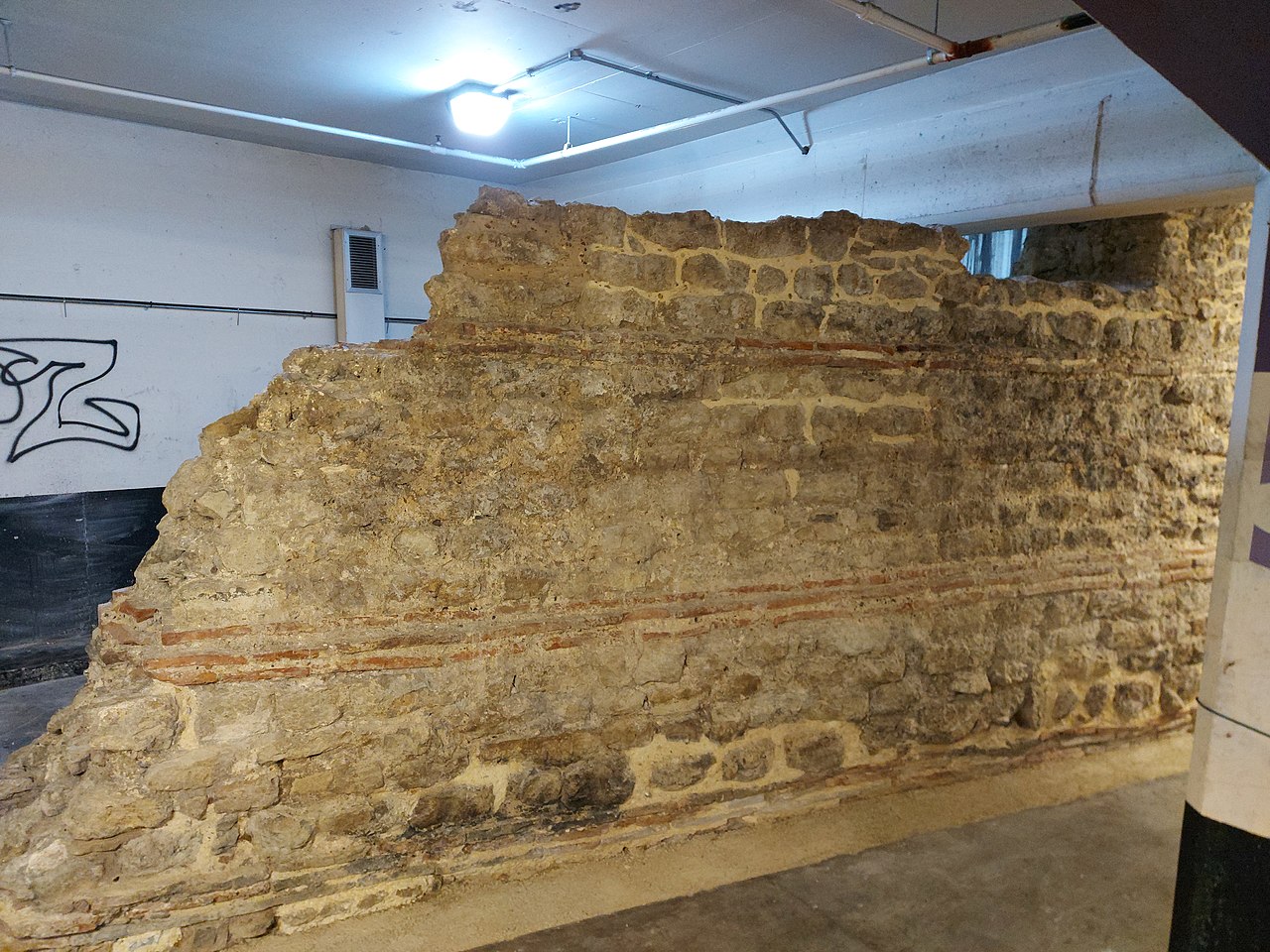
The wall consisted of a continuous stone curtain with projecting towers, gateways and occasional posterns. Major gates provided the principal entrances and gave rise to familiar place names: Aldgate, Bishopsgate, Ludgate, Newgate and Moorgate are among the best known. Towers and bastions were spaced along the circuit to improve sightlines and defense; foundations and repaired sections show multiple building phases from Roman masonry to medieval repairs.
History and development
Originally constructed during Roman rule to protect the provincial port and administrative centre, the wall survived the Roman withdrawal and continued to be maintained by medieval Londoners. In the Middle Ages the wall not only provided military protection but also marked the City's jurisdictional limits, influencing taxation, civic administration and urban growth. As commerce and traffic increased in later centuries, many gates were altered or removed and parts of the wall fell into disrepair or were incorporated into later buildings.
Legacy, archaeological remains and modern use
Surviving fragments of the London Wall can be seen in several locations across the City, where excavations and conservation projects have exposed stretches of masonry, towers and gate foundations. Museums and interpretive panels document these findings and explain the sequence of construction and repair. The modern road called "London Wall" follows part of the ancient route and acts as a visible reminder of the line where the Roman and medieval boundary once stood.
Importance and notable facts
- The wall shaped the historic footprint of the City of London for centuries and influenced street patterns and property boundaries.
- Archaeological study of the wall provides insight into Roman urban planning, medieval defensive practices and long-term urban continuity.
- Many place names and gate-related terms in the City preserve the memory of the original entrances.
Visitors wishing to explore these traces can follow walking routes and interpretive trails that point out surviving sections and associated sites, where plaques and displays describe phases of construction and later alterations. For more detailed background and research resources see local guides and specialist publications or consult museum exhibits that illustrate the wall's role in the long history of Londinium and the City of London.
Related articles
Author
AlegsaOnline.com London Wall — the Roman and medieval defensive wall of the City of London Leandro Alegsa
URL: https://en.alegsaonline.com/art/59062