
London Stock Exchange: overview, structure, history and role
Primary securities exchange in London offering listing, trading and market services; home to major UK indices and markets for companies of varied size and origin.
Overview
The London Stock Exchange (LSE) is the principal securities market in London, England. It provides venues for trading shares, bonds, exchange-traded funds and other instruments, and is one of the largest and most international exchanges by market capitalisation. The LSE is widely recognised for its deep secondary market and for hosting companies from many countries.
Image gallery
10 Images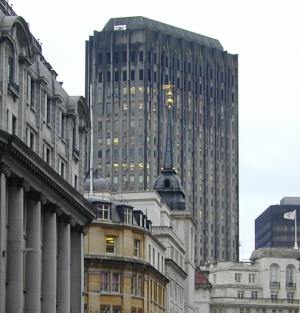


Structure and main markets
The exchange operates several distinct markets and services for companies and investors. Key components include:
- Main Market — for large, established companies meeting full listing rules.
- AIM (Alternative Investment Market) — a sub-market for smaller or growth-oriented firms with more flexible admission requirements.
- Specialist trading platforms, clearing and market data services that support trading and post-trade processing.
Prominent indices calculated with LSE-listed companies include the FTSE 100 and FTSE 250, which are widely used as barometers of UK equity performance.
History and development
The LSE's origins trace back to stockbrokers and jobbers who met in coffeehouses and trading venues in the 17th and 18th centuries; it was organised into a formal exchange in the early 19th century. Over time the institution modernised from an open outcry trading floor to electronic trading systems and expanded its services into listings, indices and information products.
Role and importance
The London Stock Exchange plays several roles in national and global finance: it helps companies raise capital through public listings, offers a liquid market for investors to buy and sell securities, and provides pricing, indexation and market information used by asset managers, pension funds and policymakers. Its international reach attracts cross-border listings and global capital flows.
Notable facts and distinctions
The LSE is notable for its international diversity of issuers and for being a hub of financial services in the City of London. It is regulated under UK financial regulation and works with clearing houses and market infrastructure providers to maintain orderly markets. For those researching further, the exchange publishes rules, market data and guidance for issuers, investors and intermediaries.
Further reading
Authoritative sources include the exchange's own publications and market summaries, regulatory guidance and industry analyses. For official data and resources consult the exchange's site and listed market materials linked above.
Related articles
Author
AlegsaOnline.com London Stock Exchange: overview, structure, history and role Leandro Alegsa
URL: https://en.alegsaonline.com/art/59048
Sources
- world-exchanges.org : world-exchanges.org
- pennystockdream.com : "Penny Stock Alerts - Free Penny Stock Newsletter Picks"
- bbc.com : "LSE in merger with Canada's TMX"
- wikidata.org : wikidata.org/wiki/Q171240
- catalogue.bnf.fr : cb121620877
- data.bnf.fr : (data)
- d-nb.info : 45999-9
- id.loc.gov : no97016833
- idref.fr : 030146593
- viaf.org : 262225313
- worldcat.org : lccn-no97016833