
Lithium peroxide (Li2O2): properties, production, uses and safety
Lithium peroxide (Li2O2) is an inorganic peroxide of lithium. This article covers its structure, methods of preparation, common uses—including oxygen generation and battery chemistry—and safety considerations.
Lithium peroxide is an inorganic compound composed of lithium cations and the peroxide anion, commonly written as Li2O2. It is an ionic solid that contains an O2(2-) unit (a peroxide linkage) bonded to Li+ ions. In its pure form it often appears as a pale yellow or white crystalline material and is classified among the family of metal peroxides.
Image gallery
1 Image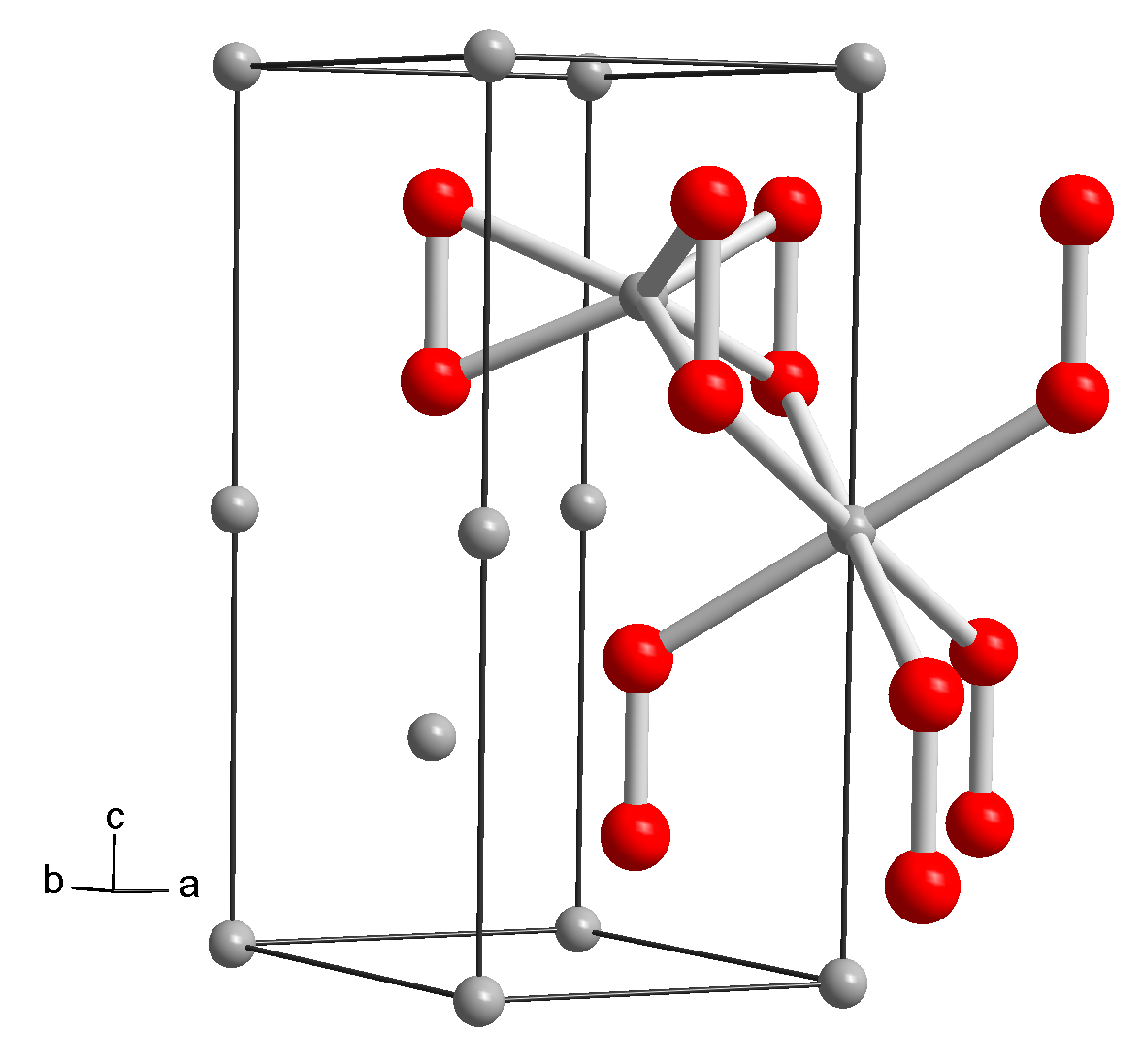
Characteristics and chemical behavior
The peroxide anion gives Li2O2 distinctive oxidizing properties and a characteristic O–O bond. It is more oxidizing than simple oxides and is chemically reactive: it can decompose on heating and reacts with protic reagents. Hydrolysis or contact with water produces basic and oxidizing products (for example, lithium hydroxide and oxidizing oxygen-containing species), so it must be handled with care in moist environments.
Preparation and occurrence
Lithium peroxide can be prepared by controlled oxidation of lithium metal or lithium-containing precursors under oxygen-rich conditions, or by oxidation of lithium oxide/hydroxide in oxygen. In contemporary research it commonly appears as a discharge product in nonaqueous lithium–air (Li–O2) battery systems, where Li2O2 forms on the cathode during cell discharge.
Uses and importance
- Air purification and oxygen generation: because it can release oxygen under certain conditions, Li2O2 has been studied for use in sealed breathing systems and emergency oxygen sources.
- Battery research: Li2O2 is central to lithium–air battery chemistry where its reversible formation and decomposition determine cell performance.
- Chemical applications: used as an oxidizing reagent in specialized inorganic syntheses and laboratory studies.
Safety, handling and distinctions
As a peroxide and oxidizer, lithium peroxide can accelerate combustion of organic materials and must be kept dry, away from combustibles and reducing agents. It differs from lithium oxide (Li2O) and lithium superoxide (LiO2) in composition and reactivity; Li2O lacks the peroxide O–O bond and LiO2 (a superoxide) has different electronic and stability characteristics. For technical data, safety guidance, and current research summaries consult specialized resources and material safety datasheets.
Further reading and sources: chemical reference entries, compound data, battery research summaries, safety datasheets, crystallographic and analytical reports.
Related articles
Author
AlegsaOnline.com Lithium peroxide (Li2O2): properties, production, uses and safety Leandro Alegsa
URL: https://en.alegsaonline.com/art/58443