
Lithium oxide (Li2O)
Lithium oxide (Li2O) is a white crystalline ionic compound composed of lithium and oxide ions. It is a basic oxide used as a precursor to lithium chemicals and in specialized ceramic and glass applications.
Overview
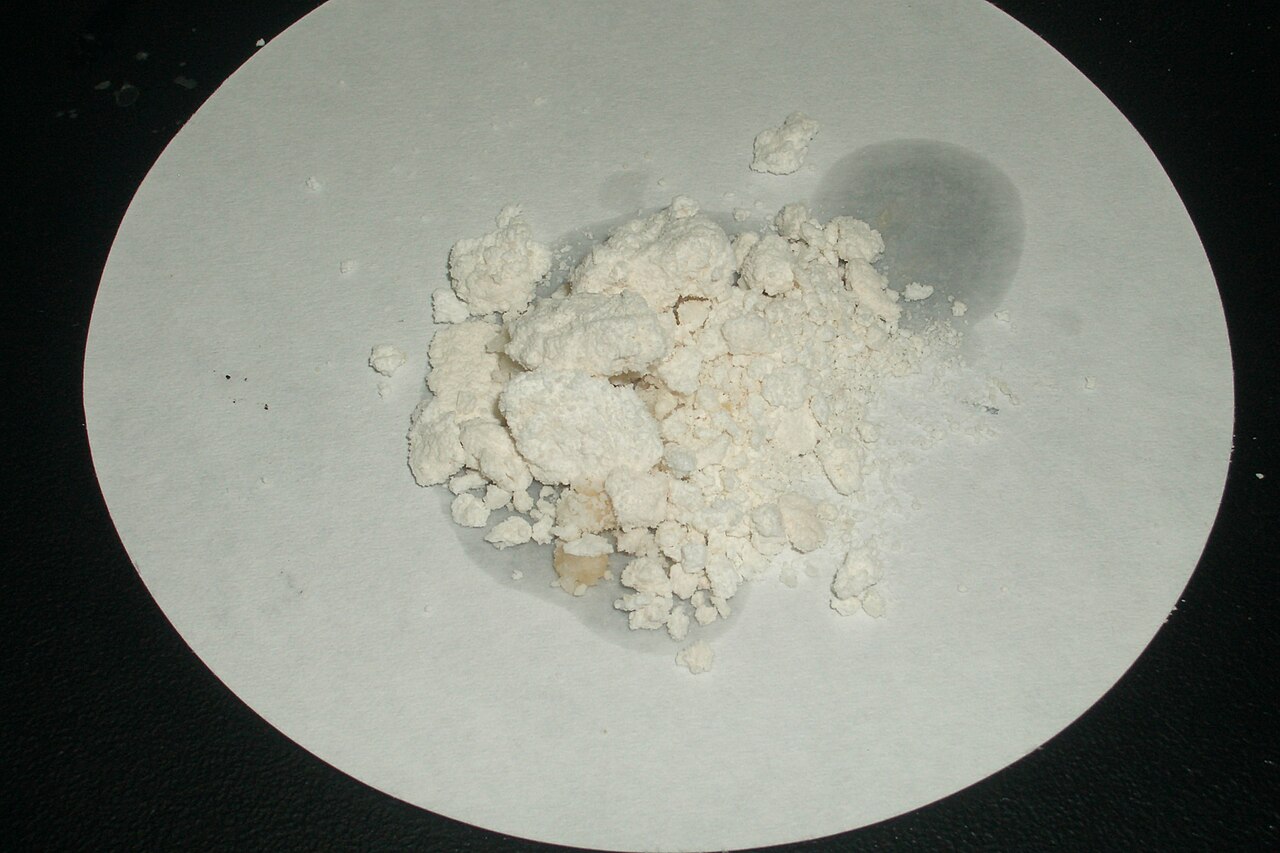
Lithium oxide, with the chemical formula Li2O, is an inorganic ionic solid composed of lithium cations and oxide anions. It appears as a white or colorless crystalline material and is classified as a basic oxide because it reacts readily with water to produce lithium hydroxide.
Image gallery
5 Images



Characteristics and structure
Li2O crystallizes in the antifluorite structure, in which oxide anions occupy the positions of fluorite-type cations while lithium ions fill the tetrahedral sites. The compound is typically brittle and electrically insulating as a bulk solid. It reacts with moisture and carbon dioxide from air, converting to lithium hydroxide or lithium carbonate.
Preparation and reactions
Common laboratory and industrial routes to lithium oxide include controlled oxidation of metallic lithium and thermal decomposition of lithium peroxide. Chemically, Li2O is a strong base: it hydrolyzes to form LiOH and will neutralize acids. It also reacts with carbon dioxide to yield lithium carbonate, a common lithium salt.
Uses and importance
Li2O serves as a precursor for other lithium compounds and finds use in specialized glass and ceramic formulations where it modifies melting behavior and chemical durability. It is investigated in research contexts for roles such as solid-state lithium ion conductors and has been considered in advanced energy and materials applications.
Safety and distinctions
Because lithium oxide produces corrosive hydroxide on contact with water, it can cause chemical burns and must be handled in dry conditions with appropriate protective equipment. It should be distinguished from related lithium oxides—lithium peroxide (Li2O2) and lithium superoxide (LiO2)—which contain additional oxygen in peroxo or superoxo forms and have different reactivity.
For concise chemical data and further reading, see compound data, background on lithium, general information about oxide ions, and safety guidance at material safety.
Related articles
Author
AlegsaOnline.com Lithium oxide (Li2O) Leandro Alegsa
URL: https://en.alegsaonline.com/art/58442