
Armour: history, types, materials and modern applications
Overview of armour as protective coverings for people, animals, vehicles and structures; historical development, principal types and materials, applications, standards and future directions.
Overview
Armour (or armor in U.S. English) is any protective covering or clothing designed to reduce injury or damage from weapons, impacts, heat and other hazards. Traditionally conceived as a protective covering for a person, armour also protects animals, vehicles, machines and buildings. Throughout history armour-makers have sought the strongest available materials while managing an enduring trade-off among protection, mobility and weight.
Image gallery
10 Images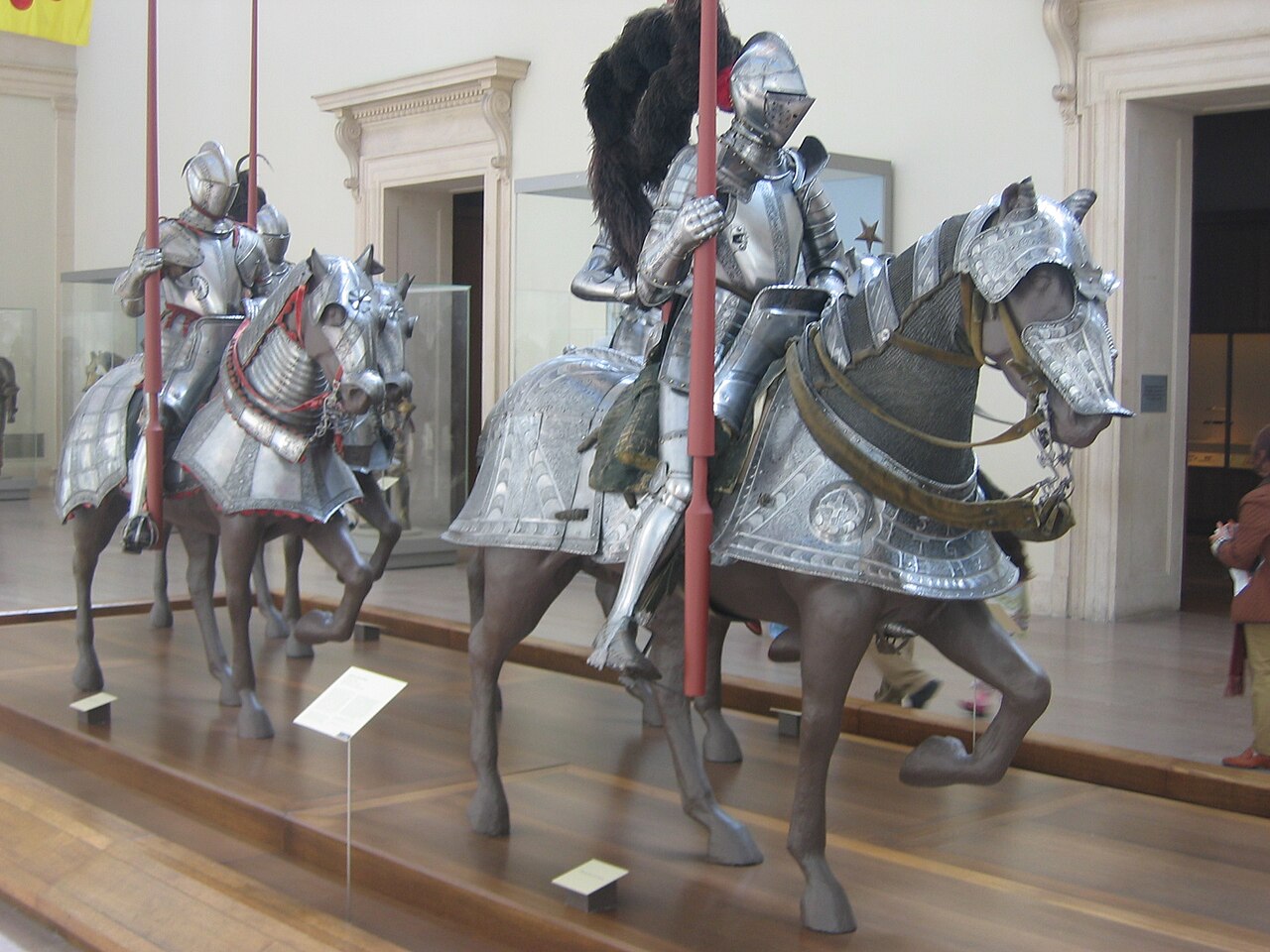


Types and construction
At a broad level, armour systems may be described as rigid or flexible. Rigid armour uses hard plates, shells or laminates to stop penetration or blunt trauma. Flexible armour relies on woven, bonded or layered materials to dissipate and catch projectiles and fragments. Many modern systems combine both approaches — for example, hard plates mounted over a flexible backing.
Traditional forms include padded and boiled leather, layered textiles and scale constructions. Personal protective equipment such as body armour often uses a soft, shock-absorbing liner beneath harder strike faces. Historically the softer element might have been leather, while the harder components were various metals fashioned as mail, plate, scales or lamellae.
Historical development
Early societies used readily available materials: animal hides, layered cloth, twigs or wooden planks. The Bronze and Iron Ages introduced metalworking, making mail and plate practical for more people. Armour evolved with changes in weaponry; the widespread use of firearms reduced the effectiveness of thick metal and encouraged lighter, multi-layered and composite solutions. Armour has been adapted to animals (for example medieval barding for warhorses), to ships and to fortifications across many eras and cultures.
Modern materials and methods
Contemporary armour uses engineered fibres, high-strength ceramics, metal alloys and advanced composites. Many personal ballistic vests use woven or unidirectional synthetic fibres such as aramids (for example Kevlar) and high-performance polyethylenes. These synthetic fibres are layered and often bonded into laminates so the system redistributes and absorbs projectile energy. Hard ceramic or metal plates are added to defeat higher-velocity threats.
Transparent protection is created by laminating glass with resilient plastic interlayers; this glazing is widely used where visibility and ballistic resistance are both required. Examples include laminated or polycarbonate glazing often referred to as bullet-proof glass. Windows and display cases may use multiple layers of glass and polymer to stop or slow projectiles and to resist shattering.
Design considerations
Armour design balances coverage, ergonomics, weight distribution and thermal comfort against the level of threat to be countered. Greater protection generally increases bulk and weight, so designers optimize shape, articulation and attachment to allow mobility. Materials must resist environmental factors such as moisture, UV exposure and temperature extremes; maintenance and replacement after impact are also important practical concerns.
Applications and examples
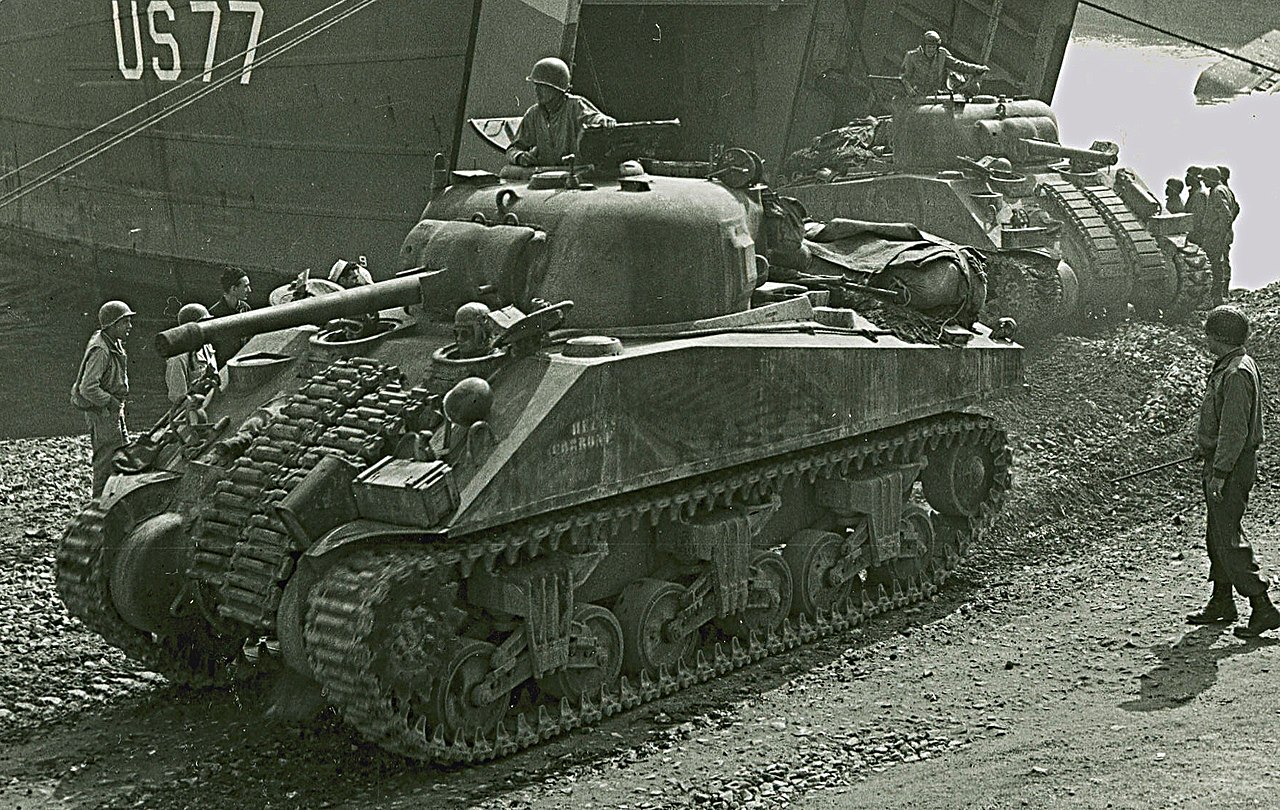
Armour appears across military, law-enforcement, civil and commercial contexts. Armed forces fit personnel, vehicles and installations with a range of passive and active protections. Police and security personnel commonly use helmets, shields and bullet-proof vests. Banks, jewellery stores and embassies adopt ballistic glazing, reinforced doors and vault systems. Vehicles may carry appliqué armour panels, ceramic inserts and explosive reactive armour on larger platforms to defeat shaped charges.
- Personal: helmets, vests, limb protectors and ballistic inserts.
- Vehicle: applique plates, composite armour, spall liners and reactive elements.
- Structural: laminated glazing, reinforced façades, blast doors and fragmentation barriers.
- Specialized: anti-ballistic glass, ceramic strike faces, active protection systems that detect and intercept projectiles.
Standards, testing and maintenance
Armour is evaluated against recognized testing regimes that measure resistance to penetration, fragmentation, blunt trauma and blast effects. Standards help users match systems to expected threats and guide procurement. Proper fit, routine inspection and timely replacement of components that have been stressed or struck are essential to maintain protective performance.
Regional and cultural variations
Throughout history and around the world, armour forms have reflected local resources, tactics and aesthetics. From lamellar and scale armour in East Asia to the plate and mail traditions of Europe and layered textile systems elsewhere, solutions have been diverse. Decorative and ceremonial armour often emphasizes craftsmanship and social status as much as functional protection.
Future directions
Research continues into lighter, stronger materials and into systems that add functionality: sensors that monitor impacts, materials that self-heal or harden on demand, and active defensive systems that detect and neutralize incoming threats. Wearable exoskeletons and automated countermeasures may alter how protection is delivered, but the core trade-offs among weight, mobility and protection will remain central to armour design.
Further reading and resources
For more general background on protective systems and personal armour, introductory references and manufacturer literature are commonly used; specialist standards and test reports provide technical detail. Historical surveys cover the evolution of mail, plate and textile armours across cultures, while contemporary technical literature describes fibre technologies, ceramics and composite manufacturing techniques.
Whether simple leather padding of antiquity or today’s layered composites and ceramics, armour remains a key technological response to the human need for protection.
Questions and answers
Q: What is armour?
A: Armour is a protective covering or clothing used to prevent injury from attack.
Q: Who can wear armour?
A: A person can wear armour, as well as machines, animals, and buildings.
Q: What materials have been used to make armour?
A: Early body armour was made from leather, while later, metals such as mail or plate armour were used. Modern armour can be made from plastics like Kevlar.
Q: What is the main problem with armour?
A: The weight of the armour has always been a problem.
Q: What is Kevlar?
A: Kevlar is a type of plastic that is used to make some modern armour.
Q: How is Kevlar used to make armour?
A: Kevlar can be woven into a cloth and used in layers, making it stronger.
Q: What is plastic lamination used for?
A: Plastic lamination, or layers, is often used to protect windows against bullets, and can be found in many jewellery stores, embassies, and vehicles with bullet-proof glass.
Related articles
Author
AlegsaOnline.com Armour: history, types, materials and modern applications Leandro Alegsa
URL: https://en.alegsaonline.com/art/5747