
Lily of the Valley (Convallaria majalis)
Lily of the valley (Convallaria majalis) is a shade‑loving perennial with fragrant white bell-shaped flowers and red berries, native to temperate Eurasia and present in parts of North America; all parts are poisonous.
Overview
Lily of the valley (Convallaria majalis) is a low-growing, herbaceous perennial noted for its nodding, bell-shaped white flowers and strong, sweet fragrance. It is native to cool temperate woodlands of Europe and Asia and has become established in parts of eastern North America, including discrete populations in the Appalachian region. The plant is widely cultivated for ornament and scent but is toxic to humans and animals.
Image gallery
10 Images




Botanical characteristics
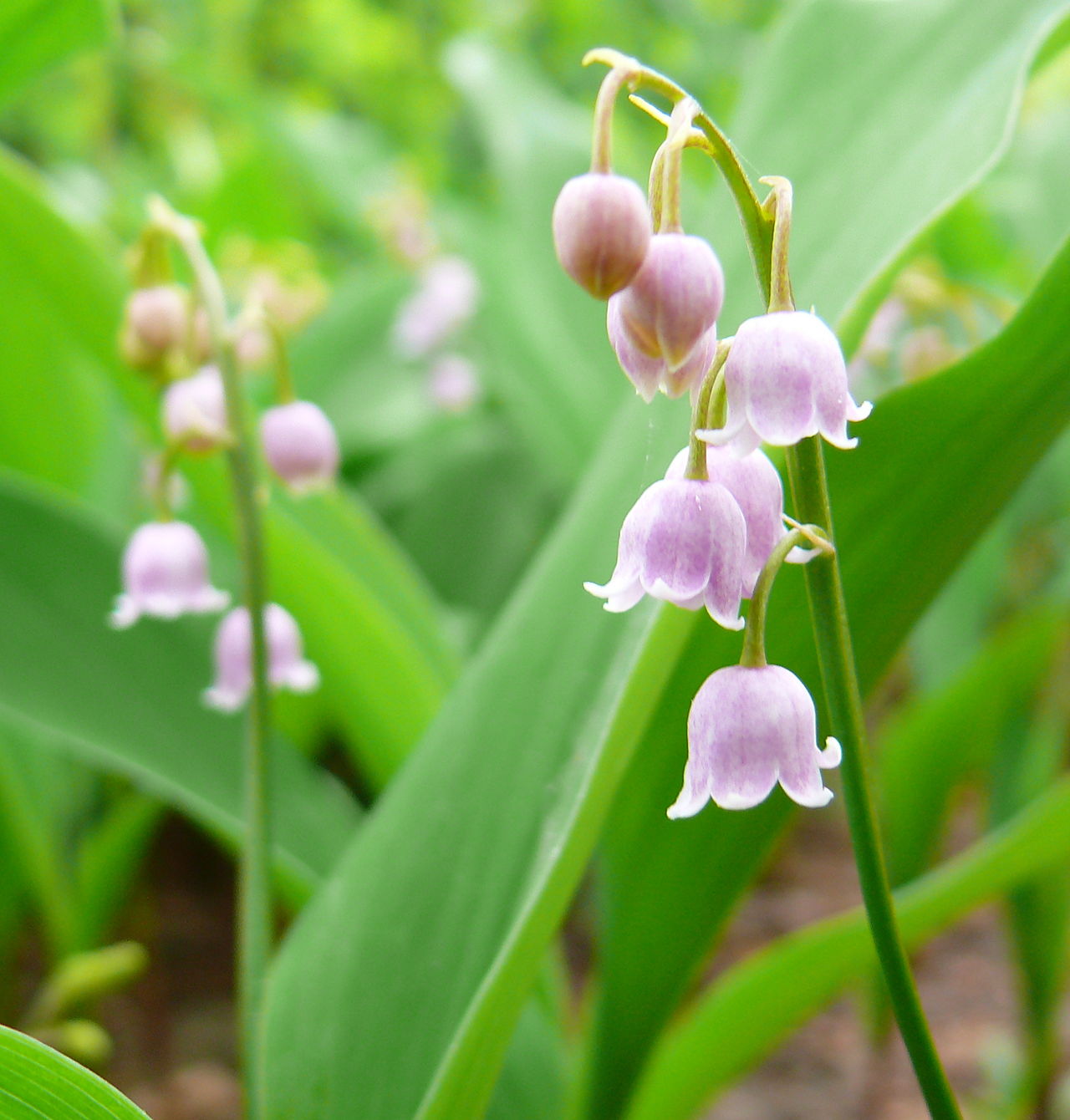
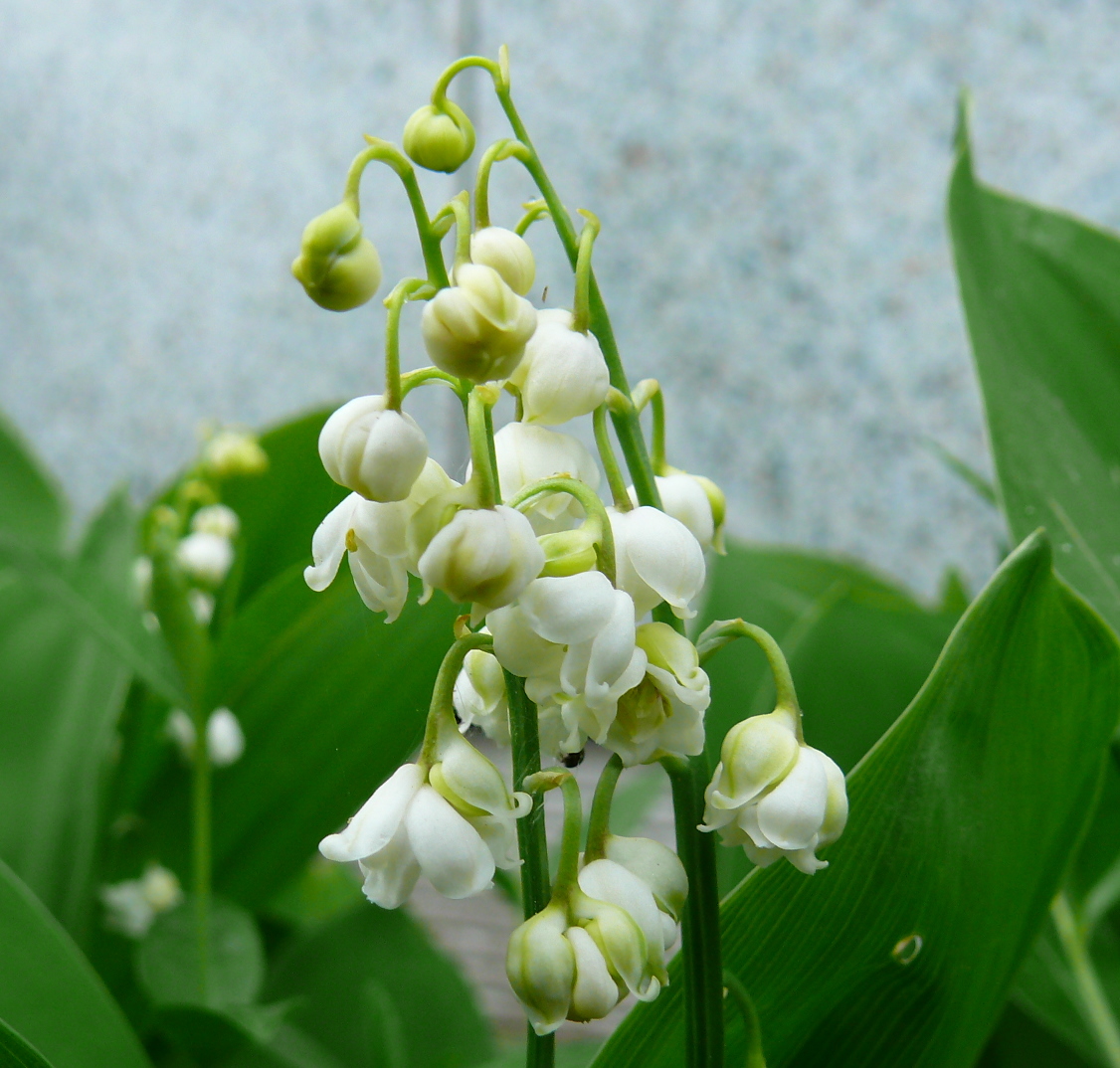
Plants arise from creeping rhizomes and typically produce one or two glossy, lance-shaped leaves with a short flowering stem bearing a raceme of small white bells. Flowers appear in late spring and are followed by bright red berries. Reproduction commonly occurs vegetatively by rhizome spread, though seeds develop after flowering. For a concise botanical overview see botanical entry.
Habitat and distribution
Lily of the valley prefers shaded, humid sites with rich, well-drained soil such as woodland floors, hedgerows and shaded garden borders. Wild populations are widespread across Europe and parts of temperate Asia; introduced or naturalized populations occur in North America. For general range information consult distribution notes, and specific Appalachian records are discussed at Appalachian records.
Cultivation and management
In cultivation it is valued as a fragrant groundcover that tolerates deep shade. Numerous cultivars exist that vary in leaf variegation and flower form. Plants spread via rhizomes and can become aggressive in suitable gardens; management typically involves removing rhizomes to reduce spread and dividing clumps to propagate desired plants. Practical guidance is available from horticultural guides.
History and cultural significance
Lily of the valley has a long history in European horticulture and symbolism, often associated with purity, the return of happiness and springtime festivals. Its scent has been prized in perfumery and floral arrangements and it remains a popular choice for weddings in some traditions. The species is recognized as a national floral emblem in some countries; see a national listing at national flower entry and specific Finnish references at Finnish references.
Toxicity and safety
All parts of lily of the valley contain cardiac glycosides and are poisonous if ingested. Symptoms of poisoning can include nausea, abdominal pain, dizziness and cardiac effects; severe exposure can be dangerous. Keep the plant away from children and pets and seek professional help in case of suspected ingestion. Authoritative safety information and guidance can be found at toxicity resources.
Identification and similar species
- Distinctive features: two glossy basal leaves, pendent white bells arranged on one side of the stem, and red berries.
- Confusion: several unrelated plants are called "false lily of the valley" or bear similar leaves or small white flowers; always check botanical names to avoid misidentification.
- Season: flowers in late spring, berries ripen in early to midsummer.
Conservation and notes
While common in horticulture, local wild populations may be subject to habitat change. Because it spreads readily from rhizomes, cultivated plants can naturalize outside gardens. When working with this species, consider both its ornamental value and its toxicity, and consult regional floras or conservation resources for guidance on planting or removal.
Related articles
Author
AlegsaOnline.com Lily of the Valley (Convallaria majalis) Leandro Alegsa
URL: https://en.alegsaonline.com/art/58045