
Light therapy: uses, mechanisms, history, and types
Overview of therapeutic light exposure: principles, common medical uses (mood, sleep, skin), equipment, safety considerations, and distinctions among bright, narrowband, and blue-light therapies.
Overview
Light therapy is a medical treatment that uses controlled exposure to artificial or natural light to produce physiological effects. It is most widely known for treating seasonal affective disorder (SAD) and other mood or sleep-related conditions, but it is also used for certain dermatological problems and circadian rhythm disorders. The term covers a range of procedures that vary by wavelength, intensity, duration and timing. For basic orientation, see a general resource: what light therapy is.
Image gallery
6 Images


How it works
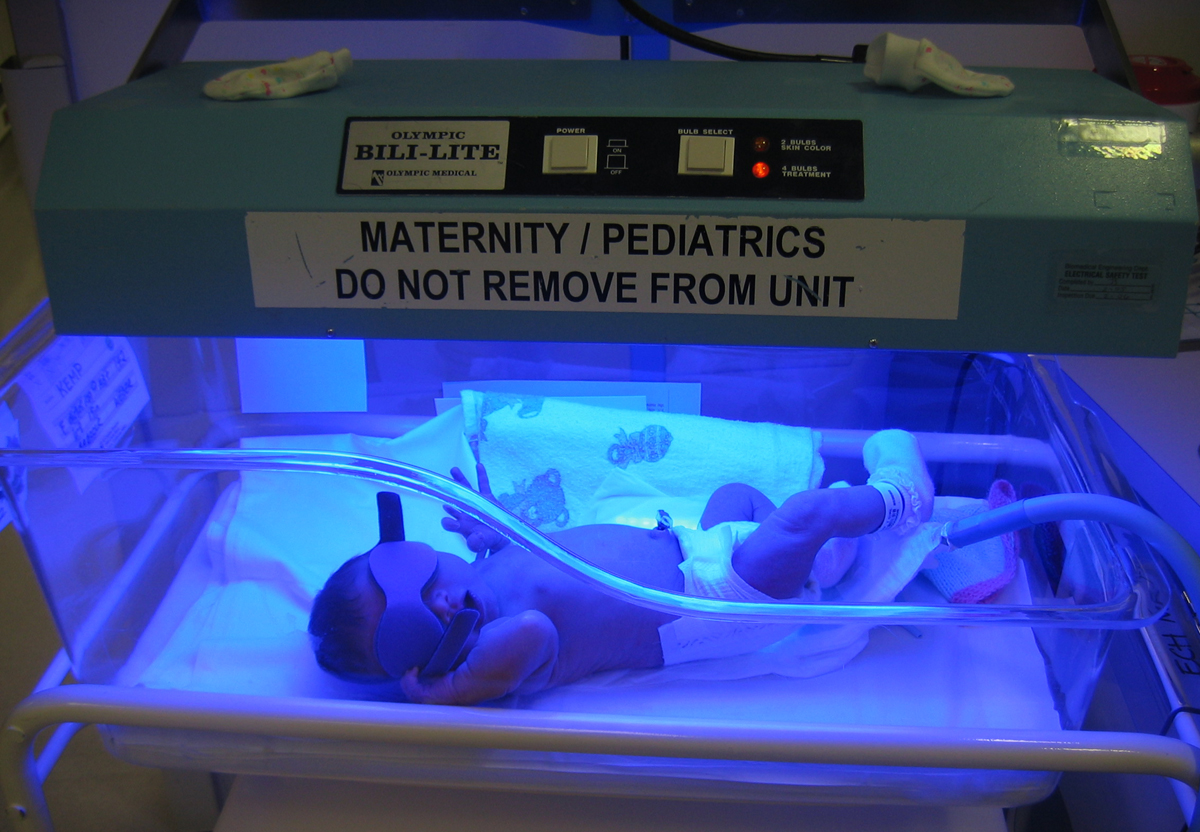
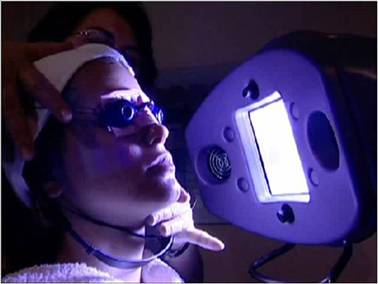
The therapeutic effect depends on the type of condition and the technical parameters of the light. For mood and sleep disorders, bright full-spectrum or broad-spectrum white light at a specified intensity (measured in lux) can influence the suprachiasmatic nucleus and the production of melatonin, thereby shifting circadian timing. For skin diseases, such as psoriasis or vitiligo, narrowband ultraviolet B or other targeted wavelengths act on immune cells and skin turnover. Timing, distance from the device, daily duration and the light's spectral composition are key variables.
Common uses and examples
- Seasonal and nonseasonal depression, including adjunctive treatment for some depressive episodes; further information: depression and light therapy.
- Insomnia, delayed sleep phase disorder and other circadian rhythm problems; morning or evening exposure affects sleep timing: sleep-related applications.
- Bipolar disorder can respond to light interventions but requires careful medical supervision because of risk of inducing mania: light therapy in bipolar care.
- Dermatological treatments using ultraviolet light for psoriasis, eczema, and vitiligo administered in clinics or under specialist guidance.
History, development and safety
Modern clinical use of light dates from the mid-20th century when practitioners began studying seasonal mood changes and effects of artificial light on sleep. Since then, devices and protocols have diversified. Safety considerations differ by type: bright visible light is generally low risk but can cause eyestrain, headache or nausea; ultraviolet treatments carry risks of skin aging and cancer with cumulative exposure. Medical supervision is advised for people with eye disease, skin cancer risk, or photosensitizing medications. Timing and dose are commonly individualized by clinicians.
Types and distinctions
Major categories include bright white light boxes (used for SAD and circadian disorders), blue-enriched light devices (targeting melatonin suppression and alertness), and ultraviolet narrowband devices for dermatology. Devices vary in portability, intensity, and filters; some are meant for home use under guidance, others are clinic-based. When considering therapy, compare evidence, side-effect profiles and practical aspects such as duration per day and whether additional behavioral strategies (sleep hygiene, psychotherapy, medications) are recommended.
Notable facts: Light therapy is a noninvasive option with a relatively rapid onset for some symptoms, but effectiveness depends on adherence to timing and dose. It is not a universal cure and should be integrated into a broader treatment plan when used for psychiatric or medical conditions.
Related articles
Author
AlegsaOnline.com Light therapy: uses, mechanisms, history, and types Leandro Alegsa
URL: https://en.alegsaonline.com/art/57945