
Linezolid: an oxazolidinone antibiotic for serious Gram‑positive infections
Linezolid is an oxazolidinone antibiotic active against many Gram‑positive pathogens, used for selected skin, soft tissue and pulmonary infections; it has important safety considerations for prolonged use.
Overview
Linezolid is an antibiotic in the oxazolidinone class developed to treat selected serious infections caused by Gram‑positive bacteria. It is reserved for situations where other agents are ineffective or inappropriate and is active against a broad group of Gram‑positive pathogens.
Image gallery
4 Images


Mechanism and spectrum
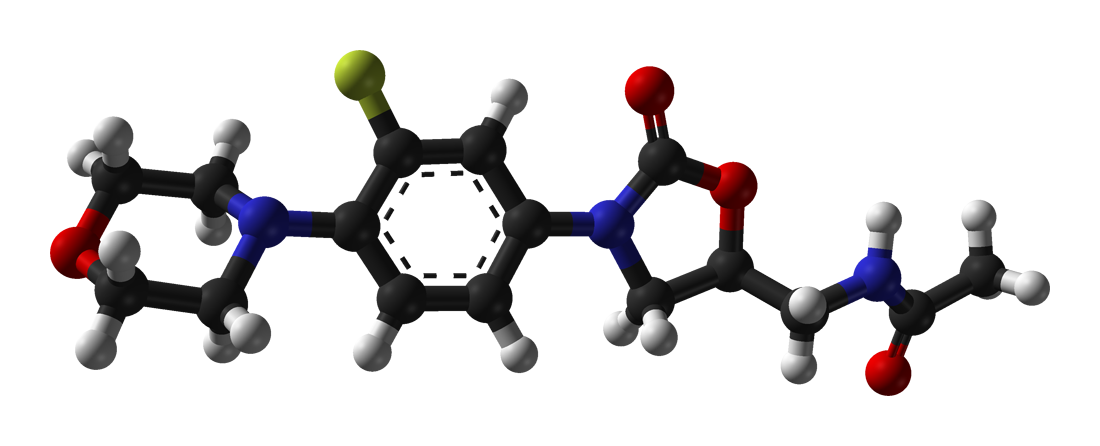
Linezolid inhibits bacterial protein synthesis by binding to the ribosomal complex and preventing formation of the initiation complex required for translation. Because of this unique action, it retains activity against some strains that are resistant to other antibiotic classes (treatment‑resistant organisms). Clinically relevant susceptible organisms include streptococci such as streptococci and strains of staphylococci including methicillin‑resistant MRSA; it also has activity against some enterococci.
Common clinical uses
Linezolid is typically used when first‑line drugs cannot be used or when the infecting organism is resistant. Typical indications include complicated skin and soft‑tissue infections such as cellulitis and wound infections (skin infections), and certain forms of pneumonia, including hospital‑acquired or healthcare‑associated cases (pneumonia). It is available in both oral and intravenous formulations, which facilitates switching from IV to oral therapy in appropriate patients.
Safety, monitoring and common adverse effects
For short courses, linezolid is generally well tolerated, but several adverse effects require attention. It can be used in patients with hepatic impairment (liver disease) and in those with reduced renal function (poor kidney function) without routine dose modification in many cases; nevertheless, clinical judgment and monitoring are advised. Reports of harmful effects increase with prolonged therapy.
- Common, usually mild adverse events include headache, diarrhea, and nausea.
- Prolonged therapy has been associated with hematologic changes (for example, thrombocytopenia), peripheral and optic neuropathy, and lactic acidosis in some cases; these risks tend to rise with treatment lasting several weeks and warrant periodic blood counts and clinical review.
- Drug interactions: because linezolid has weak monoamine oxidase inhibitor activity, it can interact with serotonergic or adrenergic drugs and may, rarely, precipitate serotonin syndrome.
History, approval and availability
Linezolid was discovered in the 1990s by researchers at Pharmacia & Upjohn and introduced into clinical use around the turn of the 21st century. It is included on the World Health Organization's List of Essential Medicines, reflecting its role as an important treatment option for resistant Gram‑positive infections. Availability and price vary by country and market; in some settings it has been relatively expensive compared with older agents (pricing and access).
Notable distinctions and practical points
Key distinctions for clinicians are its oral bioavailability (allowing outpatient continuation after IV therapy), its distinct mechanism compared with beta‑lactams and glycopeptides, and the balance between efficacy and safety when used long term. Prescribing decisions should consider pathogen susceptibility, prior therapy, potential drug interactions and the need for monitoring during extended courses.
For detailed prescribing information, local guidelines and infectious disease consultation are advisable when considering linezolid for complex or resistant infections.
Questions and answers
Q: What is Linezolid?
A: Linezolid is an antibiotic used to treat serious infections caused by Gram-positive bacteria that other antibiotics are not able to heal.
Q: What types of bacteria is Linezolid active against?
A: Linezolid is active against most Gram-positive bacteria that cause disease, such as streptococci and MRSA.
Q: What types of infections is Linezolid mainly used to treat?
A: Linezolid is mainly used to treat infections of the skin and pneumonia.
Q: Is Linezolid safe to take for short periods?
A: Yes, Linezolid is relatively safe to take for short periods. It can be used in people of all ages and in people with liver disease or poor kidney function.
Q: What are the common harmful effects of short-term use of Linezolid?
A: The common harmful effects of short-term use of Linezolid include headache, diarrhea, and nausea.
Q: What is the discovery history of Linezolid?
A: Linezolid was discovered in the 1990s by a team at Pharmacia & Upjohn Company. It was first approved for use in 2000.
Q: Is Linezolid on the World Health Organization's List of Essential Medicines?
A: Yes, Linezolid is on the World Health Organization's List of Essential Medicines, which is a list of medications needed in a basic health system.
Related articles
Author
AlegsaOnline.com Linezolid: an oxazolidinone antibiotic for serious Gram‑positive infections Leandro Alegsa
URL: https://en.alegsaonline.com/art/58274
Sources
- accessdata.fda.gov : "Zyvox (linezolid) Label Information"
- ncbi.nlm.nih.gov : "Adverse effects of antimicrobials via predictable or idiosyncratic inhibition of host mitochondrial components"
- doi.org : 10.1128/AAC.00678-12
- pubmed.ncbi.nlm.nih.gov : 22615289
- who.int : "19th WHO Model List of Essential Medicines (April 2015)"
- merck.com : "Linezolid"