
Light machine gun (LMG)
A light machine gun (LMG) is a portable automatic firearm that provides mobile suppressive fire for small infantry units, often serving as a squad automatic weapon and carried by a single soldier.
A light machine gun is a class of machine gun intended to be carried and operated by an individual or a small team. Unlike heavier crew‑served weapons, an LMG emphasizes mobility and sustained firepower for infantry units. It is commonly issued at the squad or section level and often fulfills the role of squad automatic weapons by enabling suppressive fire during maneuvers.
Image gallery
10 Images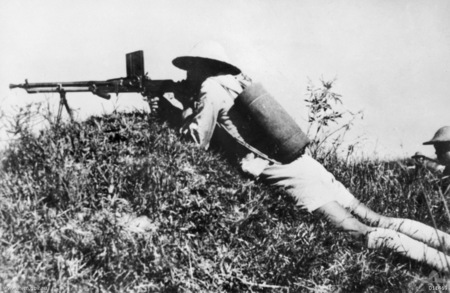
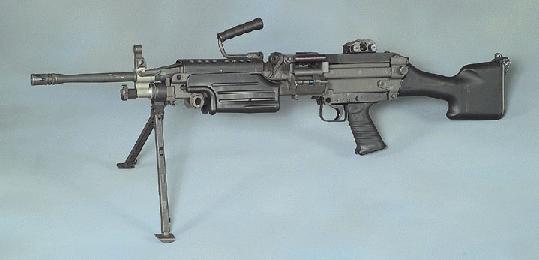


Characteristics
LMGs vary in design but share several practical features: relatively light weight for a mounted automatic weapon, a bipod or folding support, and feed systems that may be magazine‑fed or belt‑fed. They typically fire the same or a slightly more powerful cartridge than the unit's standard rifle to simplify logistics and allow effective range and penetration.
- Portability: designed for carriage and rapid deployment by one soldier or a two‑man team
- Support features: bipods, carrying handles, and sometimes quick‑change barrels or heavier barrels to manage heat
- Feeding options: detachable magazines or ammunition belts depending on doctrine
History and development
The need for a lightweight automatic weapon grew from early 20th‑century warfare when commanders sought mobile firepower to support advancing troops. Throughout major 20th‑century conflicts, designers produced a variety of LMGs and squad automatic weapons. Well‑known examples that illustrate different approaches include magazine‑fed designs and belt‑fed systems used by many armies.
Role and usage
In combat an LMG provides suppressive fire to pin or disrupt an enemy while friendly forces maneuver. It may be fired from the shoulder, prone on a bipod, or mounted on light vehicles. Units train to employ LMGs in coordination with rifle teams, using controlled bursts to conserve ammunition and avoid overheating.
Distinctions and notable facts
LMGs are distinguished from general‑purpose and heavy machine guns by their intended tactical role, typical caliber, and weight. Although doctrine and terminology vary—some forces use the term one soldier to emphasize individual operation, while others assign a two‑person crew—the essential purpose remains the same: provide a balance of mobility and automatic, sustained fire to support small unit tactics.
Because of their versatile role, LMGs remain a central element of modern infantry organization and continue to evolve with changes in ammunition, materials, and battlefield doctrine.
Related articles
Author
AlegsaOnline.com Light machine gun (LMG) Leandro Alegsa
URL: https://en.alegsaonline.com/art/57935
Sources
- turretsandtracks.co.uk : "Bren light machine gun"
- fnherstal.com : "FN Minimi"