
Lebensraum: concept, origins, and its appropriation by Nazi policy
Lebensraum, German for "living space," is a geopolitical concept developed in the 19th century and infamously adopted by Nazi Germany to justify aggressive expansion and policies of colonization and displacement.
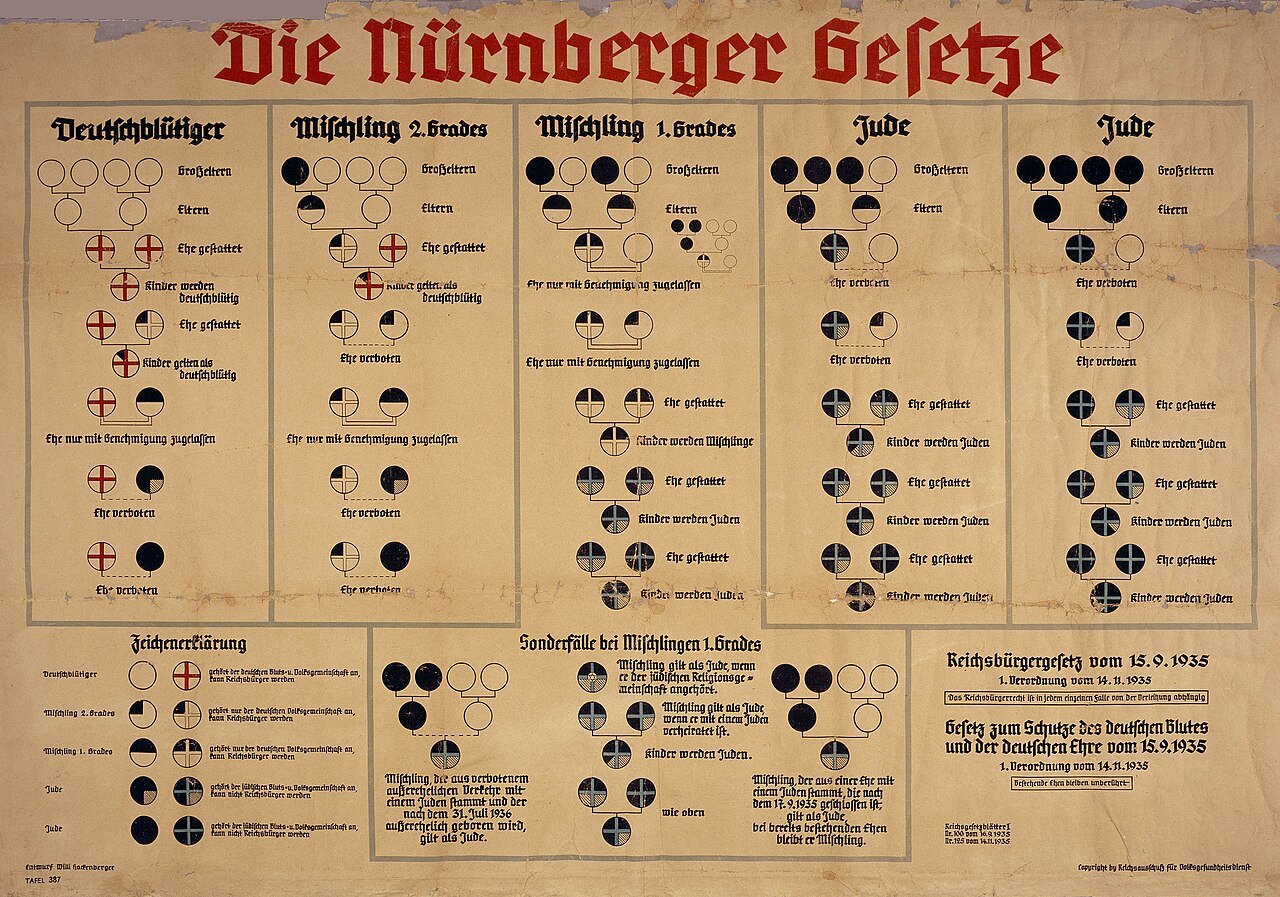
Lebensraum is a German phrase literally meaning living space. Originally used in geography and political theory, the term was transformed in the early 20th century into a justification for territorial expansion. Its popularization and radical reinterpretation are most closely associated with the policies of Nazi Germany, which used the idea to rationalize conquest, settlement and racial reordering.
Image gallery
10 Images





Origins and theoretical background
The concept has intellectual roots in 19th-century geography and state theory. German geographers and social theorists—most notably Friedrich Ratzel—framed states as organic entities that required territory to sustain population and power. These arguments drew on contemporary currents such as imperialism and social Darwinist thinking, turning a descriptive concept about population and resources into a normative claim that expansion was natural or necessary for national survival. For the linguistic origin and basic translation see literal translation.
How the idea was adapted by the Nazis
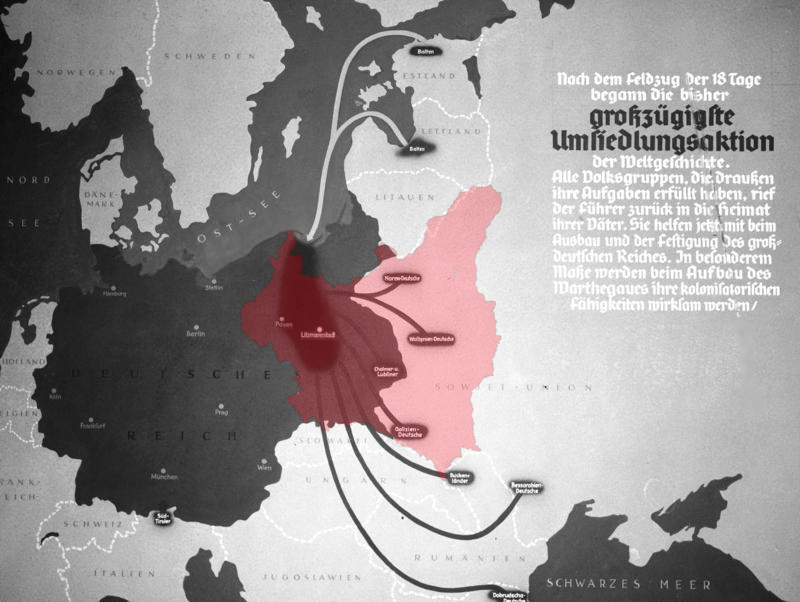
Under Adolf Hitler the notion of Lebensraum shifted from a geopolitical observation to a program of racialized expansion. Nazi ideology fused the demand for territory with beliefs about racial hierarchy, arguing that German people needed eastern lands for agriculture, settlement, and economic security. That program called not merely for annexation but for demographic transformation: colonization by ethnic Germans, the removal or enslavement of local populations, and other coercive measures. Plans for these policies were elaborated in state and party documents, most infamously in proposals often summarized under the label Generalplan Ost.
Military actions linked to Lebensraum
The drive for Lebensraum helped motivate several major steps in Nazi expansion. Territorial gains and aggressive moves in the late 1930s and early 1940s included the annexation of the Sudetenland and the occupation of Czechoslovakia, followed by the invasion of Poland in 1939, which triggered a wider war in Europe (Sudetenland, invasion of Poland). A decisive escalation came on 22 June 1941, when Germany launched Operation Barbarossa, the invasion of the Soviet Union, explicitly linked by Nazi leaders to the acquisition of eastern territories.
Characteristics and implementation
- Territorial expansion aimed at securing agricultural and strategic resources.
- State-orchestrated resettlement of ethnic Germans into conquered areas.
- Policies of forced displacement, deportation, forced labor, and mass murder directed at populations deemed "undesirable".
Legacy and historical assessment
After World War II the term became indelibly associated with the crimes of the Nazi regime and the catastrophic human consequences of racially motivated expansionism. Lebensraum as a policy is studied as a case of how geopolitical ideas can be radicalized into violent action. In contemporary scholarship it is discussed alongside international law, ethics, and the history of imperialism as an example of ideology-driven territorial policy that produced profound suffering and lasting demographic change.
Related articles
Author
AlegsaOnline.com Lebensraum: concept, origins, and its appropriation by Nazi policy Leandro Alegsa
URL: https://en.alegsaonline.com/art/56841