
Leer, town in Lower Saxony, Germany
Leer is a historic port town and administrative center in East Frisia, Lower Saxony, Germany, known for its waterways, timber-framed architecture, regional culture and role as a local transport hub.
Leer is a town and the administrative centre of the district of Leer in the state of Lower Saxony. It lies in the northwestern part of Germany, within the historic region of East Frisia, and functions as a regional market, transport and service node for the surrounding rural area and nearby coastline of Lower Saxony and Germany.
Image gallery
8 Images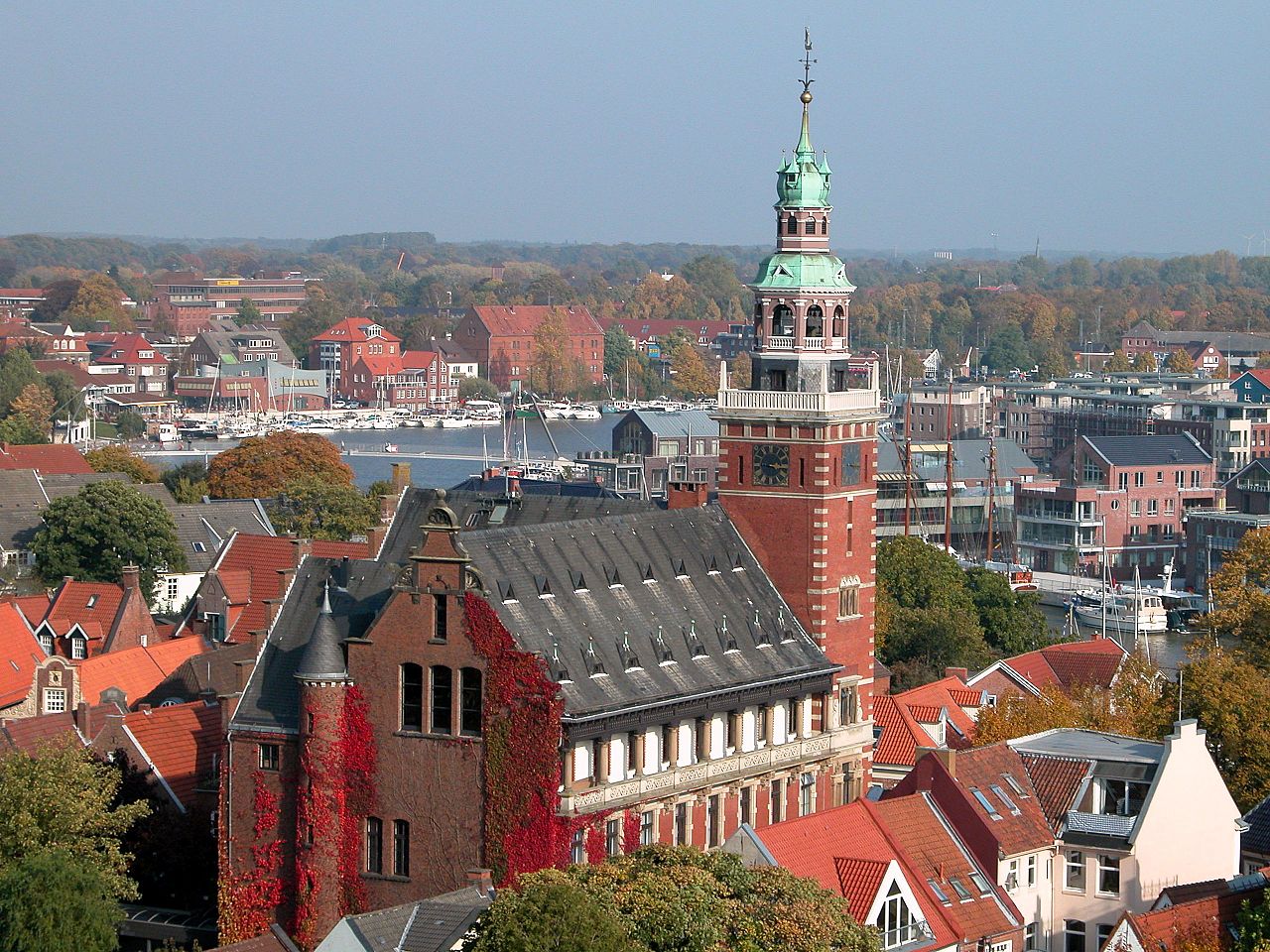


Geography and character
The town is set along navigable waterways and lies in a low-lying landscape shaped by rivers, canals and marshes. Its rivers and small harbours have defined much of the town’s economy and urban layout, giving Leer a mix of waterfront promenades, quays and older warehouse areas. The surrounding countryside includes reclaimed marshland, agricultural areas and small coastal features that are typical of the wider East Frisian region.
History and development
Leer developed from a local market and river port into an administrative centre and market town. Over time it became linked with regional trade routes and small-scale shipping, which influenced its growth and local crafts. The town preserves elements of its older urban fabric, including timber-framed houses and a compact historic core that reflects its mercantile past and steady modernization.
Economy, transport and culture
Historically dependent on river transport, shipping and trade, Leer today combines light industry, local services, tourism and agriculture. The town is a transport hub for the district: road and rail connections link it to larger towns and to nearby ports, while inland waterways remain important for freight and leisure. Cultural life includes regional festivals, museums displaying local history and maritime themes, and an active community life shaped by both German and East Frisian traditions. The Low German (Platt) dialect and Frisian cultural influences are still visible in local customs and events.
Notable features
- Historic town centre with timber-framed buildings and waterfront warehouses.
- Small harbour and riverfront promenades popular with residents and visitors.
- Regional museums, churches and civic buildings reflecting local history.
- Serving as the administrative seat for the surrounding district.
Leer combines the practical role of a district centre with a distinct regional character rooted in its waterways and East Frisian setting. Visitors often encounter a mix of historic architecture, maritime atmosphere and contemporary services that serve both the local population and travellers exploring northwestern Lower Saxony and Germany.
Related articles
Author
AlegsaOnline.com Leer, town in Lower Saxony, Germany Leandro Alegsa
URL: https://en.alegsaonline.com/art/56929
Sources
- destatis.de : "Alle politisch selbständigen Gemeinden mit ausgewählten Merkmalen am 31.12.2018 (4. Quartal)" · web.archive.org
- www1.nls.niedersachsen.de : Landesbetrieb für Statistik und Kommunikationstechnologie Niedersachsen, 102 Bevölkerung - Basis Zensus 2011, Stand 31. Dezember 2015 (Tabelle K1020014)