
Leader of the Opposition (Ireland)
The Leader of the Opposition in Ireland is the head of the largest party not in government in Dáil Éireann, leading scrutiny of the government, coordinating opposition policy and acting as the principal parliamentary critic.
Overview
The Leader of the Opposition is the politician who leads the parliamentary opposition in Dáil Éireann, the lower house of the Oireachtas. In Irish the title is Ceannaire an Fhreasúra. The role is a convention of parliamentary practice rather than a separate, directly constitutional office, and it is normally held by the leader of the largest party not participating in government in Ireland.
Image gallery
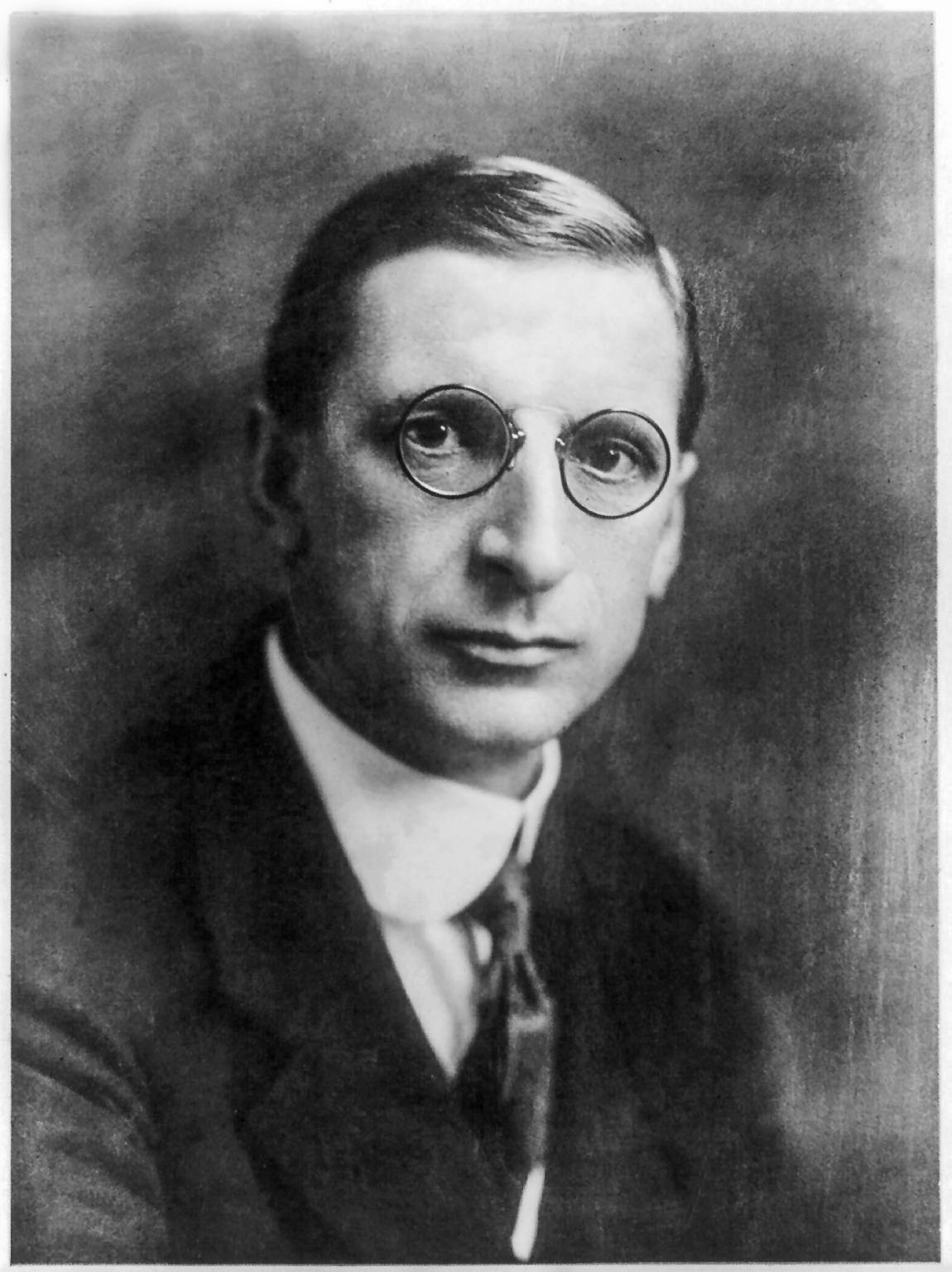
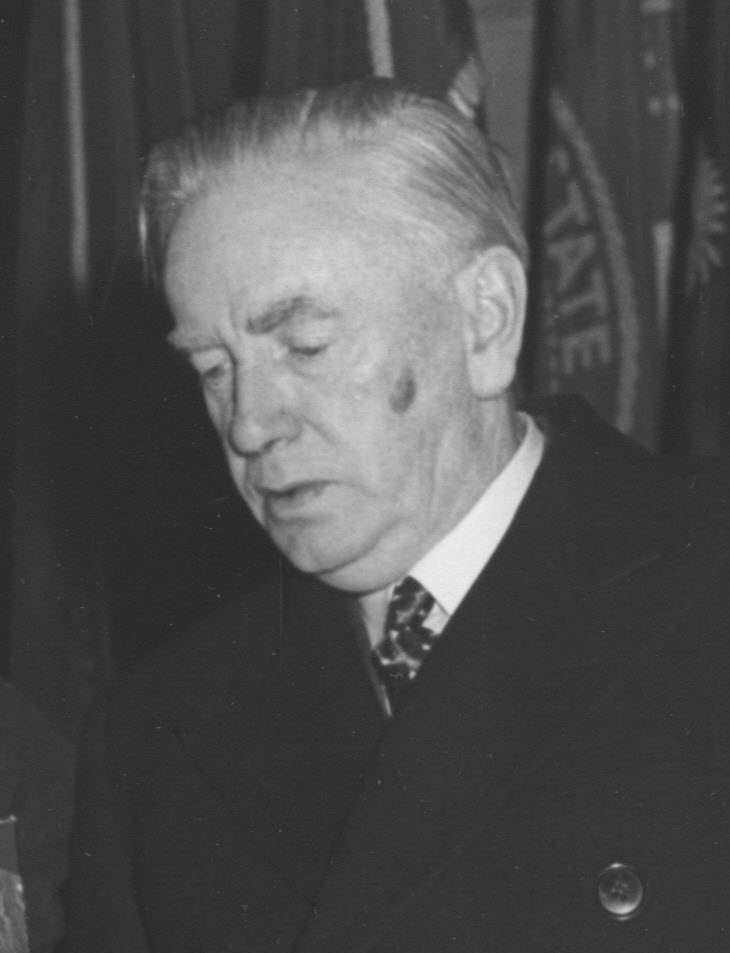
10 Images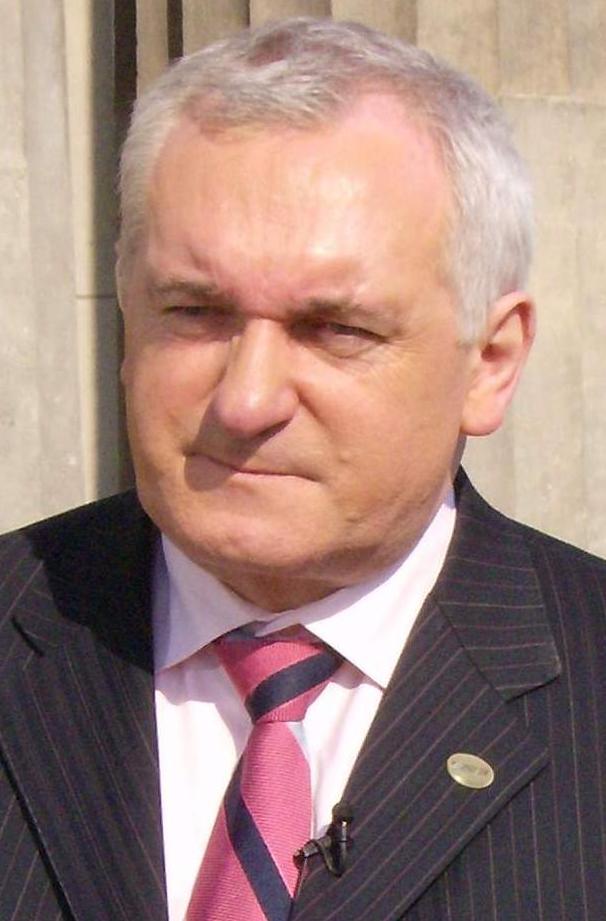




Role and functions
As leader of the opposition, the officeholder co‑ordinates the activities of opposition parties and acts as the principal critic of the government and the Taoiseach. Responsibilities typically include proposing alternative policies, leading debates against government proposals, responding to major government statements, and speaking for the opposition in major parliamentary occasions. The position carries significant political visibility: the opposition leader often shapes public debate and presents a potential alternative government.
Duties in the Dáil
- Sit on the right side of the Ceann Comhairle and opposite the Taoiseach during sittings.
- Lead challenge and questioning of government ministers during debates and Question Time.
- Coordinate shadow spokespeople and critique government bills and budgets.
- Represent the opposition in formal and informal negotiations with the government and parliamentary authorities.
History and development
The position emerged as parliamentary parties and practices developed in the independent Irish state. Historically, several leaders of the opposition later became Taoiseach, reflecting the office’s role as a focal point for alternative executive leadership. To date there have been multiple holders of the title; a number of those subsequently served as head of government. The current officeholder is Mary Lou McDonald, who has led the opposition since June 2020 and is a Teachta Dála (TD).
Constitutional and practical distinctions
The Leader of the Opposition differs from some other countries’ systems because the role is largely conventional: it is recognized by parliamentary practice rather than being defined by a single statutory office. The leader is selected by party processes within the largest non‑government party and does not receive a formal state appointment. Nevertheless, the office carries practical privileges in speaking order and prominence in public debate.
Notable facts and examples
- The opposition leader regularly delivers formal replies to major government addresses and plays a lead role in major debates, including on the budget and confidence motions.
- The title and functions serve both parliamentary scrutiny and the democratic purpose of offering voters a clear alternative government.
- For further reading about parliamentary roles and procedures see general reference entries on the Dáil and Irish government institutions: Dáil Éireann and broader governance resources such as de facto descriptions of parliamentary practice.
Related articles
Author
AlegsaOnline.com Leader of the Opposition (Ireland) Leandro Alegsa
URL: https://en.alegsaonline.com/art/56742