
Leninism: Theory, Organization, and Historical Impact
Leninism is a political theory and party model developed by Vladimir Lenin emphasizing a vanguard party, revolutionary seizure of state power, and a transitional state as steps toward socialism.
Overview
Leninism is a set of political ideas developed by Vladimir Lenin in the early 20th century about how a working-class revolution should be organized and carried out. It adapts elements of classical Marxist theory to practical questions of leadership, party organization and the use of state power during a revolutionary transition. Leninism places particular emphasis on the role of a disciplined, centralized party to lead the working class toward the seizure of political power and the dismantling of capitalist institutions.
Image gallery
6 Images


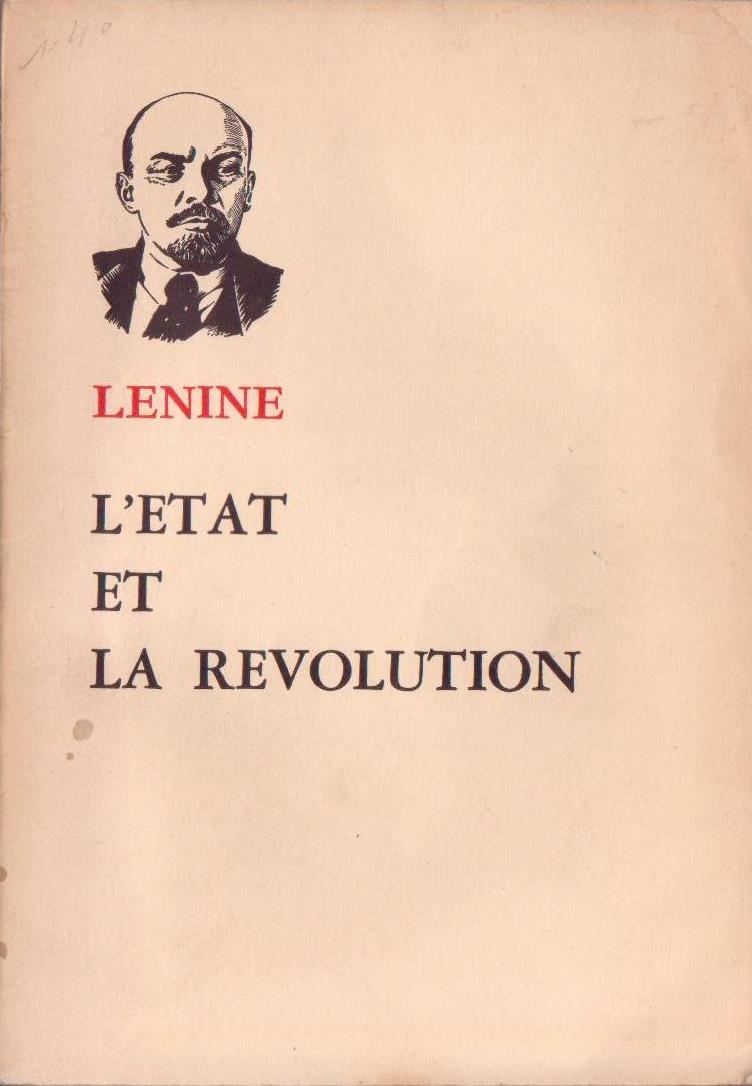

Core principles
The following elements are commonly associated with Leninist thought:
- Vanguard party: A professional revolutionary party composed of active, committed members who guide broader popular movements and coordinate political action.
- Democratic centralism: Internal debate followed by unified public action—centralized decision-making combined with internal discipline.
- Dictatorship of the proletariat: The use of state power by the working class to suppress counter-revolutionary forces and reorganize society; often discussed as a transitional phase toward higher forms of social ownership and democratic control of production. See dictatorship of the proletariat for background.
- Revolutionary initiative: An active strategy favoring organized insurrection and seizure of state institutions when conditions allow, rather than strict reliance on spontaneous economic crises.
Organization and practice
In practice, Leninism emphasizes tight organizational structures, political education, and readiness to take power. The model stresses centralized coordination of propaganda, labor organizing, strikes and armed struggle where necessary. Its defenders argue this is needed to counteract fragmentation and repression; critics maintain it can concentrate authority and reduce internal pluralism.
History and development
Lenin articulated these ideas in the context of the Russian revolutionary movement and the 1917 revolution that brought the Bolsheviks to power. After the revolution, Leninist practices shaped the early Soviet state and influenced revolutionary movements worldwide. Over time, many states and parties fused Leninist organizational ideas with other doctrines, producing broader frameworks such as Marxism–Leninism. The concept of a transitional period aimed at socialism is tied to debates about socialism and how to achieve workers' control of economic life.
Impact, debates and legacy
Leninism has had a major and contested legacy: it inspired numerous anti-colonial and socialist movements but is also criticized for contributing to one-party rule and restrictions on political pluralism in some contexts. Scholars and activists continue to debate which aspects of Leninist organization remain useful for contemporary movements and which led to unintended concentrations of power. Understanding Leninism requires balancing its theoretical claims about revolutionary leadership with historical evidence about how those claims were implemented and transformed in different countries.
Related articles
Author
AlegsaOnline.com Leninism: Theory, Organization, and Historical Impact Leandro Alegsa
URL: https://en.alegsaonline.com/art/57139